
Many people associate high blood pressure with humans, but dogs can experience it too. This condition, often called hypertension, can quietly affect a dog’s health without obvious warning signs at first. Some dogs may appear normal while internal damage slowly develops. Learning how this condition works helps you protect your pet in the long run.
What Causes High Blood Pressure in Dogs?
High blood pressure in dogs usually develops as a secondary condition rather than as a primary condition. This means it often appears because of another underlying health issue. Common causes include kidney disease, diabetes, and hormonal disorders such as Cushing’s disease. These conditions affect how the body regulates blood flow and pressure.
Age plays a role, too. Older dogs are more likely to develop chronic illnesses that lead to hypertension. A dog over 8 years old has a higher risk compared to a younger one. Regular health checks become more important as your dog ages.
Some medications can also raise blood pressure. Drugs used to treat certain conditions may have side effects that affect circulation. Monitoring your dog while on medication is necessary. Small changes can matter.
Genetics may influence risk. Some breeds are more prone to related diseases, which, over time, can indirectly lead to high blood pressure, especially when combined with a poor diet or lack of exercise.
Signs and Symptoms You Should Watch For
High blood pressure in dogs often goes unnoticed because symptoms are not always clear. If you are unsure about warning signs, you can read more about whether dogs can have high blood pressure to understand how it develops and what to expect. Early awareness can prevent serious complications later.
One noticeable sign is changes in vision. Dogs may bump into furniture or appear confused in familiar spaces. This can happen because high blood pressure affects the eyes. Sudden blindness is possible in severe cases.
Behavior changes can also occur. A normally calm dog may become restless or anxious. Some dogs show signs of fatigue or reduced interest in daily activities. These changes are often subtle at first.
Physical symptoms may include nosebleeds, difficulty breathing, or an irregular heartbeat. These signs usually appear when the condition has progressed. Immediate attention is required at this stage. Do not ignore them.
Sometimes, there are no signs. That is the danger.
How Veterinarians Diagnose and Treat Hypertension
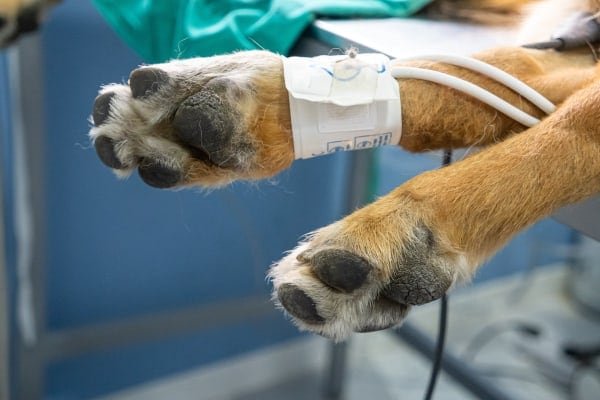
Diagnosing high blood pressure in dogs requires proper equipment and a calm environment. Veterinarians use a special cuff, similar to the one used for humans, to measure blood pressure. Readings above 160 mmHg are often considered high in dogs. Multiple readings are taken to ensure accuracy.
Tests do not stop there. Blood tests, urine analysis, and imaging may be used to find the root cause. Treating the underlying condition is just as important as lowering blood pressure. A complete evaluation gives a
clearer picture.
Treatment usually involves medication. Drugs like ACE inhibitors and calcium channel blockers help control blood pressure. The exact dose depends on your dog’s size, age, and health condition. Regular follow-ups are necessary.
Diet changes may also be recommended. Reducing sodium intake can help manage the condition. Special veterinary diets are sometimes prescribed for dogs with kidney or heart issues. Consistency in feeding is key.
Each case is different. Care must be tailored.
Ways to Help Prevent High Blood Pressure in Dogs
Prevention starts with routine care and attention to your dog’s overall health. Regular vet visits, at least once or twice a year, can catch early signs of disease. Early detection reduces the risk of complications. Do not skip checkups.
Maintaining a healthy weight is important. Obesity increases the risk of many health issues, including those linked to hypertension. Daily exercise, even 20 to 30 minutes of walking, can make a difference. Activity supports circulation.
Feeding a balanced diet is another key step. Avoid giving your dog foods high in salt or unhealthy fats. Stick to quality dog food that meets nutritional standards. Simple choices matter.
Here are a few preventive tips to follow:
– Schedule regular health checkups
– Provide daily physical activity
– Monitor weight closely
– Avoid salty human foods
– Follow vet advice for ongoing conditions
Stress management also plays a role. A calm environment helps keep your dog’s body balanced. Loud noise, sudden changes, or lack of routine can affect overall health. Stability helps.
Some dogs stay healthy for years. Others need extra care.
Long-Term Outlook for Dogs with High Blood Pressure
The long-term outlook depends on how early the condition is detected and how well it is managed. Dogs diagnosed early and treated properly can live comfortable lives. Regular monitoring is essential to keep blood pressure within a safe range. The owner’s commitment makes a big difference.
Untreated hypertension can lead to serious complications. Damage to the heart, kidneys, brain, and eyes may occur over time. These issues can reduce quality of life and shorten lifespan. Acting early helps prevent this.
Medication often becomes part of the daily routine. Some dogs require lifelong treatment, while others improve once the underlying cause is controlled. Adjustments may be needed over time. Follow-up visits help track progress.
Living with a dog that has high blood pressure requires awareness, patience, and regular care, but with proper treatment and attention, many dogs can continue to enjoy active, happy lives alongside their owners without major limitations.
High blood pressure in dogs may seem hidden, yet it carries real risks that grow over time, so paying attention to small changes, maintaining regular vet visits, and supporting a healthy lifestyle can help your dog stay comfortable and protected for years.