
Dog owners often worry about parasites, especially when they notice worms in their pet’s stool. One common question is how long these worms can survive after leaving the dog’s body. The answer depends on the type of worm and the environment. Understanding this helps you protect your dog, your home, and even your family.
Types of Worms Found in Dog Stool
Several types of intestinal worms can appear in dog poop. The most common ones include roundworms, hookworms, whipworms, and tapeworms. Each type behaves differently once it leaves the host. Their survival time varies.
Roundworms are long, spaghetti-like, and often visible in fresh stool. Their eggs can survive in soil for months or even years under the right conditions. Hookworms are smaller and less visible, yet their larvae can live in moist environments for several weeks. Tapeworm segments may dry out quickly, but their eggs can still pose a risk.
Whipworms are harder to detect, as they rarely appear in stool. Their eggs, however, are very resilient and can survive in soil for up to 5 years. This long lifespan makes them especially difficult to control in outdoor spaces. Persistence is a problem.
How Long Worms Survive Outside the Body
The lifespan of worms in dog poop depends on factors like temperature, moisture, and sunlight. Fresh stool provides a protective environment, allowing some worms and eggs to survive longer. Once the stool dries, many worms die, but their eggs may remain active.
Many pet care resources address concerns such as how long worms live in dog poop and how environmental conditions affect their survival. These guides help pet owners better understand the risks. Eggs from roundworms can remain infectious for several months in shaded, damp soil. Dry heat and direct sunlight can reduce their lifespan, but not always eliminate them completely.
In cooler climates, worm eggs may survive even longer because they are less exposed to harsh conditions. Moist grass, gardens, and shaded areas create ideal conditions for survival. This is why regular cleanup is essential.
Factors That Affect Survival Time
Several environmental factors influence how long worms and their eggs remain alive. Temperature is one of the biggest factors. Warm, humid conditions allow eggs and larvae to survive longer, sometimes extending their life by several weeks.
Moisture also plays a key role. Wet soil protects larvae from drying out, giving them more time to infect another host. Dry, hot conditions can kill many parasites in days. Weather makes a difference.
Sunlight also affects survival. Direct sunlight can reduce the lifespan of many worm eggs, especially if exposure lasts more than 24 hours. However, shaded areas protect them, allowing them to stay active for extended periods. This is why shaded yards can become a hidden risk.
Risks to Dogs and Humans
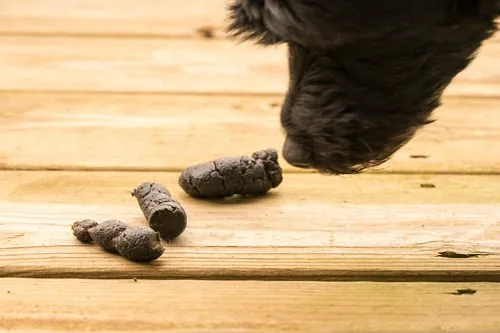
Worms in dog poop are not just a problem for pets. They can also pose a risk to humans, especially children who play in contaminated areas. Some worms, such as roundworms, can infect humans if their eggs are accidentally ingested. This can lead to serious health issues.
Dogs can easily reinfect themselves by sniffing or licking contaminated ground. Even a small amount of infected soil can contain hundreds of microscopic eggs. Reinfection can happen quickly if proper hygiene is not maintained.
Public spaces like parks and sidewalks can become contaminated if pet waste is not cleaned up. This increases the risk for other dogs and people. Responsible pet ownership helps reduce this danger.
How to Reduce the Spread of Worms
Preventing the spread of worms starts with simple habits. Cleaning up dog poop immediately is one of the most effective steps. Do not leave waste sitting in your yard for days, as this gives worms time to spread.
Here are a few practical steps to reduce risk:
– Pick up dog waste within 24 hours
– Wash hands after handling pets or soil
– Keep your yard clean and dry
– Avoid letting dogs eat unknown objects outside
– Schedule regular deworming every 3 months
Regular vet visits also help detect and treat infections early. Testing your dog’s stool once or twice a year can catch problems before they spread. Prevention saves effort later.
Cleaning and Disinfecting Contaminated Areas
Cleaning areas where infected stool has been found is important for long-term control. Start by removing all visible waste and disposing of it properly. Use gloves during this process to avoid direct contact.
After removal, wash the area with water and, if possible, use pet-safe disinfectants. While disinfectants may not kill all worm eggs, they help reduce bacteria and other harmful organisms. Repeated cleaning improves results.
For outdoor spaces, consider improving drainage and reducing shaded, damp areas. This makes the environment less suitable for worm survival. Even small changes in your yard can significantly reduce the risk.
In summary, worms in dog poop may survive longer than many expect, especially in favorable conditions like moisture and shade. Staying alert with quick cleanup, regular deworming, and good hygiene protects your environment day by day.