
Many cat owners fill their pet’s bowl straight from the tap without a second thought. Water is essential to a cat’s health, yet its quality can vary depending on location. Some sources are clean and safe, while others may contain substances that raise concern. Understanding what is in your tap water helps you make better choices for your cat.
What Is Inside Tap Water
Tap water often contains a mix of minerals and added chemicals. These include calcium, magnesium, and small amounts of chlorine used to kill bacteria. In most cities, water is treated to meet human safety standards.
Because cats are smaller than humans, even small amounts of certain substances might have a different impact on them. For example, heavy metals like lead may enter water from old pipes, depending on your home and local infrastructure. Water quality varies widely. Some areas have excellent systems; others may struggle with contamination. Testing your water yearly gives clear answers.
Is Tap Water Safe for Daily Use
For most households, tap water is safe for cats to drink. If people can drink it, it is usually suitable for pets. Some exceptions depend on plumbing and local water quality.
Many pet owners look into detailed explanations, such as ” Is tap water bad for cats to better understand the risks and benefits, especially when dealing with hard water or areas known for chemical treatments that may affect taste and long-term health.
Cats can be sensitive to the taste of their water. If water smells of chlorine, a cat may drink less of it. Hydration is important.
Potential Risks You Should Know
Some risks come from contaminants you cannot see. For example, old pipes may release lead or rust into the water. While these elements might not cause immediate harm to humans, even gradual exposure over time can be more harmful to pets like cats due to their smaller body size and different metabolism.
Hard water contains high levels of minerals, such as calcium and magnesium. Over time, these minerals can contribute to urinary issues in some cats if consumed regularly. Although not every cat is at risk, those already predisposed to urinary tract problems, or certain breeds, may be affected more easily.
Common concerns linked to tap water include:
Each of these factors varies by location. Knowing your local water quality helps you decide what’s suitable for your cat.
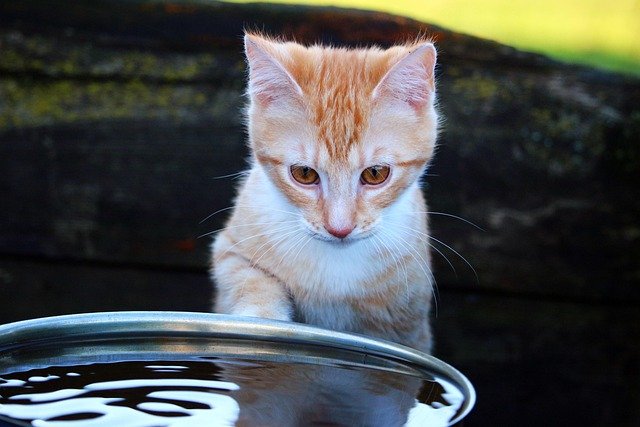
Better Water Options. If you’re unsure about tap water, consider alternatives. Filtered water is an easy upgrade and removes chlorine and impurities.rities.
Bottled water is another option, though it may not always be necessary. It can be useful in areas with poor tap water quality. Some owners also use pet water fountains to keep water fresh and encourage their pets to drink. Freshness is key. Change your cat’s water at least every 24 hours to keep it clean and appealing. Small habits matter.
How to Keep Your Cat Hydrated.
Hydration is vital for your cat’s health. Cats often don’t drink enough, so it’s important to make water appealing. Clean bowls and fresh water can encourage more drinking.k Place bowls in at least two spots at home to increase access. Some cats prefer running water. Adding wet food can help cats who rarely drink increase water intake from food sources.ources.
Tap water can be safe in many cases, but its quality depends on factors such as location, pipes, and treatment methods. Paying attention to taste, cleanliness, and your cat’s behavior helps you decide the best option, ensuring your pet stays healthy and well hydrated every day.