
Ear infections are among the most common health problems in dogs. Many owners notice something is wrong but are unsure what to look for. These infections can affect a dog’s comfort, hearing, and behavior. Learning the visible signs helps you act early and protect your pet from worsening pain.
Common Visual Signs Inside the Ear
The inside of a healthy dog’s ear should look clean and light pink. When an infection develops, this appearance changes quickly. You may see redness, swelling, or even a dark discharge building up inside the ear canal. These changes are often the first warning signs.
Discharge color can vary. It may appear yellow, brown, or even black in more severe cases. The texture can be waxy or thick, sometimes forming clumps. A strong, unpleasant smell is another clear signal that something is wrong. Bad odor matters.
In some dogs, the ear flap itself becomes inflamed and warm to the touch. You might notice your dog pulling away when you try to inspect the ear. This reaction usually means discomfort or pain. Even a quick look can reveal a lot.
Behavior Changes That Signal Trouble
Physical signs are not the only clue. Dogs often exhibit behavioral changes when dealing with ear infections. One of the most common actions is frequent head shaking. This can happen several times an hour, especially when the infection is irritating the inner ear.
Many pet owners search for answers through resources like what ear infections in dogs look like to better understand these signs and behaviors. These guides can help connect symptoms with possible causes. Still, your dog’s behavior is often the clearest indicator. Pay attention daily.
Scratching is another strong sign. Dogs may use their back legs to repeatedly scratch the affected ear, sometimes causing small cuts or wounds around the ear. Some dogs may also rub their heads against furniture or the floor to relieve irritation.
Different Types of Ear Infections
Not all ear infections are the same. They can affect different parts of the ear, and each type has its own signs. The most common type is outer ear infection, known as otitis externa, which affects the visible part of the ear canal.
Middle ear infections, or otitis media, can spread deeper and cause more serious symptoms. Dogs with this condition might lose balance or tilt their head to one side. Inner ear infections are less common but more severe, often affecting hearing and coordination.
Each type requires different treatment. A simple cleaning might help mild outer infections, while deeper infections often need medication for several weeks. Identifying the type early can reduce recovery time and prevent complications.
Common Causes Behind Ear Infections
Several factors can lead to ear infections in dogs. Moisture is one of the biggest causes, especially in dogs that swim often or live in humid environments. Trapped water creates a perfect place for bacteria and yeast to grow. Wet ears invite trouble.
Allergies are another major cause. Dogs with food or environmental allergies may develop chronic ear problems. In fact, around 50 percent of dogs with allergies experience ear infections at some point. The link is strong.
Other causes include ear mites, excessive earwax buildup, and foreign objects such as grass seeds. Breeds with long, floppy ears are more prone to infections because air circulation is limited inside the ear canal. This makes it easier for moisture and debris to stay trapped.
How to Check Your Dog’s Ears Safely
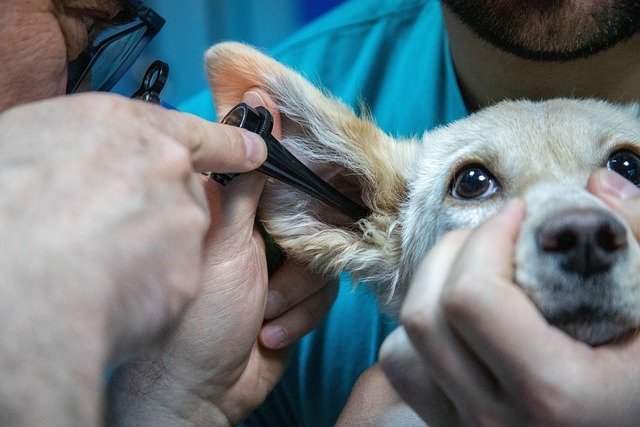
Checking your dog’s ears at home can help you catch problems early. Choose a quiet moment when your dog is calm and relaxed. Gently lift the ear flap and look inside using natural light or a small flashlight. Take your time.
Look for signs like redness, discharge, or swelling. Smell the ear as well, since odor can be a strong indicator of infection. Avoid inserting anything deep into the ear canal, as this can cause injury or push debris further inside.
If you notice anything unusual, monitor it for 24 to 48 hours. If the signs remain or worsen, it is best to consult a veterinarian. Early action often prevents the infection from spreading.
Prevention Tips to Keep Ears Healthy
Preventing ear infections is easier than treating them later. Regular cleaning is especially important for dogs prone to ear issues. Use a vet-approved ear cleaner and follow a routine based on your dog’s needs, which could be once a week or twice a month.
Here are a few simple tips to help keep your dog’s ears healthy:
– Dry ears after bathing or swimming
– Check ears at least once every 7 days
– Trim excess hair around the ear opening
– Use only safe, vet-approved cleaning solutions
– Watch for early signs like odor or redness
Consistency makes a difference. Small habits can prevent bigger problems and keep your dog comfortable. Regular care reduces the chance of infections returning.
Ear infections in dogs can start with subtle signs and quickly become painful if left untreated. By paying attention to visual changes, behavior, and routine care, you can protect your dog’s health and comfort. Early awareness and gentle care go a long way in keeping those ears clean and trouble-free.
