
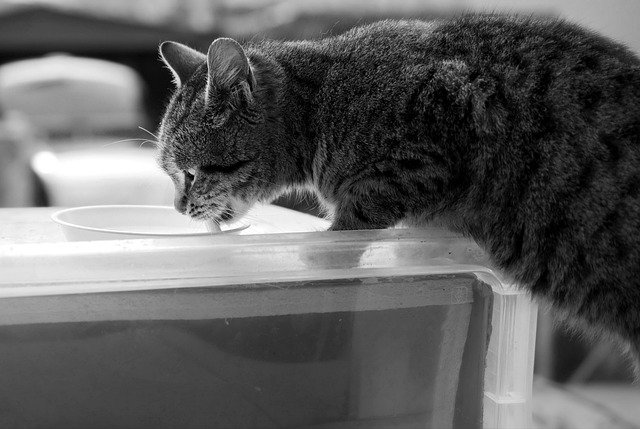
Many people associate cats with drinking milk, often imagining a happy cat lapping from a bowl of creamy whole milk. However, the reality is more complicated than this common image. Cats are obligate carnivores, meaning their bodies are designed to process meat rather than dairy products.
Feeding them whole milk can sometimes cause digestive issues rather than providing health benefits. Knowing when, how, and whether to offer milk is essential for any cat owner.
The Nutritional Concerns of Whole Milk for Cats
Whole milk contains lactose, a sugar that many adult cats cannot properly digest. Lactose intolerance is common in cats, leading to symptoms like diarrhea, vomiting, and stomach discomfort. Cats naturally lose the enzyme lactase as they grow older, which is necessary for breaking down lactose in milk. While kittens can digest their mother’s milk, most adult cats struggle with cow’s milk. This underscores the importance of caution when offering dairy products to cats.
Seeking reliable information on feeding cats is crucial to making informed decisions about offering milk.
Even small amounts of whole milk can cause discomfort in sensitive cats. Some cats can tolerate a teaspoon of milk without any noticeable issues, while others may experience digestive upset from just a few drops. Observing your cat’s reaction is key when introducing any new food. Never assume that because a cat enjoys the taste, it is safe to give it regularly. Monitoring their response ensures their well-being and prevents unnecessary health problems.
Safe Alternatives to Whole Milk for Cats
If you want to treat your cat with a milk-like experience, there are safer options available. Lactose-free milk made specifically for cats provides a creamy taste without the digestive problems. These products are widely sold in pet stores and online. You can also offer small amounts of plain yogurt, which contains lower lactose levels and can aid digestion. Fresh water should remain the main drink for all cats, providing hydration without risks.
Offering safe alternatives can satisfy your cat’s curiosity and taste preferences. Special cat milk frozen into small cubes offers fun and helps prevent overconsumption. Ensure treats are infrequent and moderate to avoid adding unnecessary calories to their diet. Balance and moderation should guide all decisions about cat treats.
Some cats may enjoy plant-based milk substitutes, such as almond or oat milk, but these should be offered only in small amounts. Avoid sweetened or flavored varieties as they can be harmful. Check the labels carefully to ensure there are no additives, such as xylitol, which is toxic to cats. Monitoring your cat during the first introduction is wise. A small amount lets you see if they tolerate it safely without causing any upset.
How to Introduce Milk Safely, if at All
If you decide to give your cat milk, do so sparingly. Start with only a teaspoon and observe for any signs of digestive upset over 24 hours. Offering milk in a shallow dish prevents overconsumption. Never use milk as a replacement for water or as part of a regular diet. Remember that cats need a balanced diet based primarily on protein- and moisture-rich foods.
Make sure treats and supplements do not exceed 10 percent of your cat’s daily caloric intake. Overfeeding milk or any treats can lead to obesity and other health issues. Timing treats after meals can prevent sudden stomach upset and teach your cat that milk is an occasional indulgence rather than a staple. Consistency and moderation are the keys to keeping your feline friend happy and healthy. Observing your cat carefully helps you gauge what works best for their individual needs.
Feeding milk to cats may seem harmless, but many adult cats cannot digest it properly. Some may tolerate small, infrequent amounts. Providing safe alternatives and monitoring intake allows cats to enjoy occasional treats without harming their health. Making informed decisions about milk enhances your cat’s overall wellness.
Understanding the role of whole milk in a cat’s diet helps owners make informed choices. While milk may appeal as a treat, it should never replace water or a complete, balanced diet. Using safe alternatives, monitoring tolerance, and keeping portions small protects cats from discomfort and digestive issues. Responsible feeding ensures your feline remains happy, healthy, and thriving.