
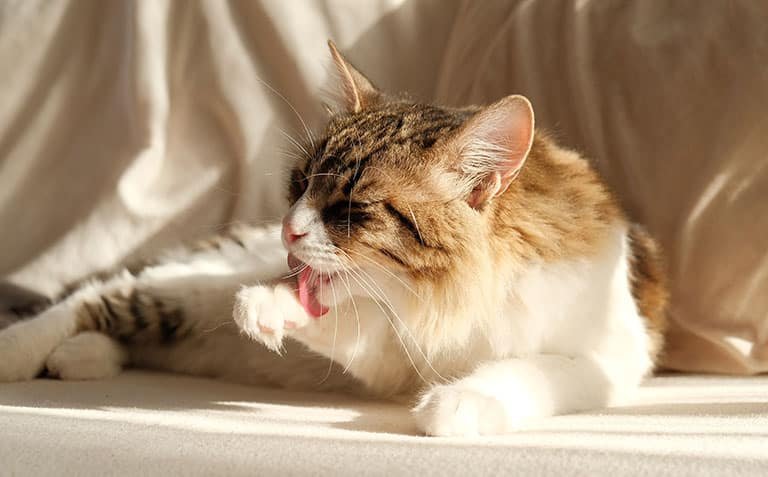
Cats are known for their grooming habits, but sometimes this behavior goes beyond normal cleaning. Excessive licking can result in bald patches or irritated skin. Understanding why a cat licks its fur off is important for its health and well-being.
There can be several underlying causes, ranging from medical issues to stress. Identifying the reason helps you provide the right care and prevent further harm.
Medical Causes of Excessive Licking
One of the most common reasons cats lick themselves excessively is a medical condition. Skin allergies, parasites, or infections can trigger constant grooming. Fleas are particularly common and may cause severe itching, leading a cat to over-groom certain areas. Hormonal imbalances or pain in specific regions can also make a cat lick compulsively. Owners should note patterns and areas of focus to help veterinarians accurately identify the problem.
Resources like Why Would a Cat Lick Its Fur Off provide guidance on identifying medical causes and when to seek professional help. They explain how infections, allergic reactions, and other conditions can lead to self-trauma. Following expert advice can prevent your cat from developing sores or secondary infections. Early diagnosis often improves treatment outcomes and your pet’s comfort.
Some medical causes may be subtle. For example, food allergies can trigger skin irritation without obvious symptoms elsewhere. Cats may also develop pain-related licking due to arthritis or injury. Noticing changes in movement, appetite, and grooming can provide important clues. A comprehensive check-up ensures nothing is overlooked, and your cat receives the care it needs.
Behavioral and Stress-Related Grooming
Stress and anxiety are often underestimated causes of over-grooming in cats. Changes in the environment, new pets, or loud noises can lead to excessive licking as a coping mechanism. Cats may focus on one spot or area repeatedly when stressed. Behavioral over-grooming can result in bald patches, inflammation, and sometimes bleeding. Recognizing stress triggers is essential to help your cat feel secure and reduce compulsive behavior.
Providing a calm environment, enriching playtime, and predictable routines can minimize stress. Some cats benefit from interactive toys or puzzle feeders to redirect their attention. Behavior modification techniques guided by a veterinarian or certified animal behaviorist can also help. Reducing stress can significantly decrease self-directed grooming, allowing the skin to heal naturally. Observing how your cat reacts to changes can help prevent future episodes.
Over-grooming due to stress often starts gradually. At first, the cat may lick more frequently, but soon it can cause noticeable hair loss. Owners should intervene early to avoid permanent skin damage. Using pheromone diffusers or calming sprays may also help some cats. Consistent attention to environmental factors improves overall feline welfare.
Preventive Measures and Care
Preventing excessive licking involves a combination of medical and behavioral strategies. Regular check-ups with a veterinarian ensure that any skin, allergy, or parasite issues are treated promptly. Grooming routines, such as regularly brushing your cat, can reduce hairballs and irritation. Maintaining a balanced diet supports skin health and fur quality. Monitoring your cat for early signs of stress or skin problems allows you to intervene before over-grooming escalates.
Environmental enrichment plays a crucial role in prevention. Providing scratching posts, climbing areas, and safe hiding spots keeps cats mentally stimulated. Cats often redirect energy to grooming when they are bored or anxious. A structured environment reduces compulsive behavior and promotes healthier interactions with humans and other pets. Paying attention to your cat’s preferences and comfort level helps maintain both physical and emotional health.
In some cases, specialized treatments may be necessary. Anti-itch sprays, medicated shampoos, or oral medications can relieve discomfort. Protective collars prevent further damage while healing occurs. Combining medical treatment with behavioral support ensures your cat recovers fully. Regular observation and follow-ups are key to preventing recurrence and maintaining long-term skin and coat health.
When to Seek Professional Help
Persistent licking that results in bald spots or sores should prompt a veterinary visit. Early intervention prevents complications and effectively addresses underlying causes.
Behavioral signs, such as sudden aggression or withdrawal, may accompany over-grooming and indicate stress or pain. Documenting patterns and areas affected can assist the veterinarian in diagnosis. Professional guidance ensures your cat receives appropriate care and relief.
Severe cases may require a combination of medication, therapy, and environmental changes. Skin cultures, allergy tests, or blood work can provide essential insights. Follow the veterinarian’s recommendations closely to ensure treatment is effective. Owners should maintain open communication and observe changes in behavior or condition. Proper management allows cats to safely return to healthy grooming habits.
Understanding why a cat licks its fur off is critical for prevention and treatment. Medical, behavioral, and environmental factors all play a role in over-grooming. Observing your cat closely and acting promptly helps prevent permanent skin damage. Providing a safe, stimulating, and supportive environment supports long-term health. With careful care and attention, most cats can recover and maintain normal grooming behaviors.