
Dry cat food is convenient and nutritious, but its quality declines after opening. Air, moisture, and light degrade freshness and nutrients. Knowing shelf life ensures safe, healthy meals. Improper storage can cause spoilage and health issues. Proper handling is essential for cat owners.
Factors Affecting Dry Cat Food Freshness
Several factors influence how long your dry cat food remains good after opening. Temperature, humidity, and exposure to air play major roles in maintaining freshness. High temperatures can accelerate the breakdown of fats, while moisture can cause mold growth. Light can also degrade certain vitamins and minerals over time. Observing these conditions helps you estimate the safe period for feeding your cat.
For detailed guidance on maintaining quality and freshness, resources such as how long dry cat food is good for after opening offer step-by-step advice. These guides explain how storage conditions and packaging affect longevity. Following their tips can prevent spoilage and ensure your cat receives balanced nutrition consistently. Proper storage is key to extending the usable life of dry food.
Another factor is the food’s fat content. High-fat formulas tend to go rancid faster than low-fat ones. You may notice a slight change in odor or taste when fats start to degrade. Checking for unusual smells before feeding your cat is a simple yet effective safety measure. If the food smells off, it’s safer to discard it immediately.
Storage Techniques for Maximum Freshness
Keeping dry cat food fresh requires proper storage techniques. Always reseal the bag tightly after each use or transfer the food to an airtight container. Store the food in a cool, dry place, away from sunlight and heat sources. Avoid using containers that previously held other foods, as any residual material can contaminate the cat food. This method helps maintain nutritional value and flavor for longer periods.
Labeling the container with the opening date is a practical tip. This simple step helps you track how long the food has been in use. Many veterinarians suggest using opened dry cat food within six to eight weeks for optimal quality. Following this timeline reduces the risk of feeding spoiled or nutritionally degraded food to your pet. Consistency in storage practices ensures both safety and satisfaction for your cat.
Some owners opt for smaller food bags to prevent prolonged exposure. Smaller packages reduce the time food is open, which preserves freshness. This strategy is especially helpful for households with one or two cats. Managing portion sizes prevents waste and ensures your cat enjoys the food at its best. Monitoring how quickly the bag empties is a key part of this approach.
Signs Your Dry Cat Food Has Gone Bad
Identifying spoiled cat food is crucial to preventing health problems. Look for changes in color, texture, or smell, which often indicate the food is no longer safe. Clumping or unusual dampness suggests moisture exposure, which can promote mold growth. Rancid or sour odors are clear signs that the food has deteriorated. If you notice any of these warning signs, discard the food immediately.
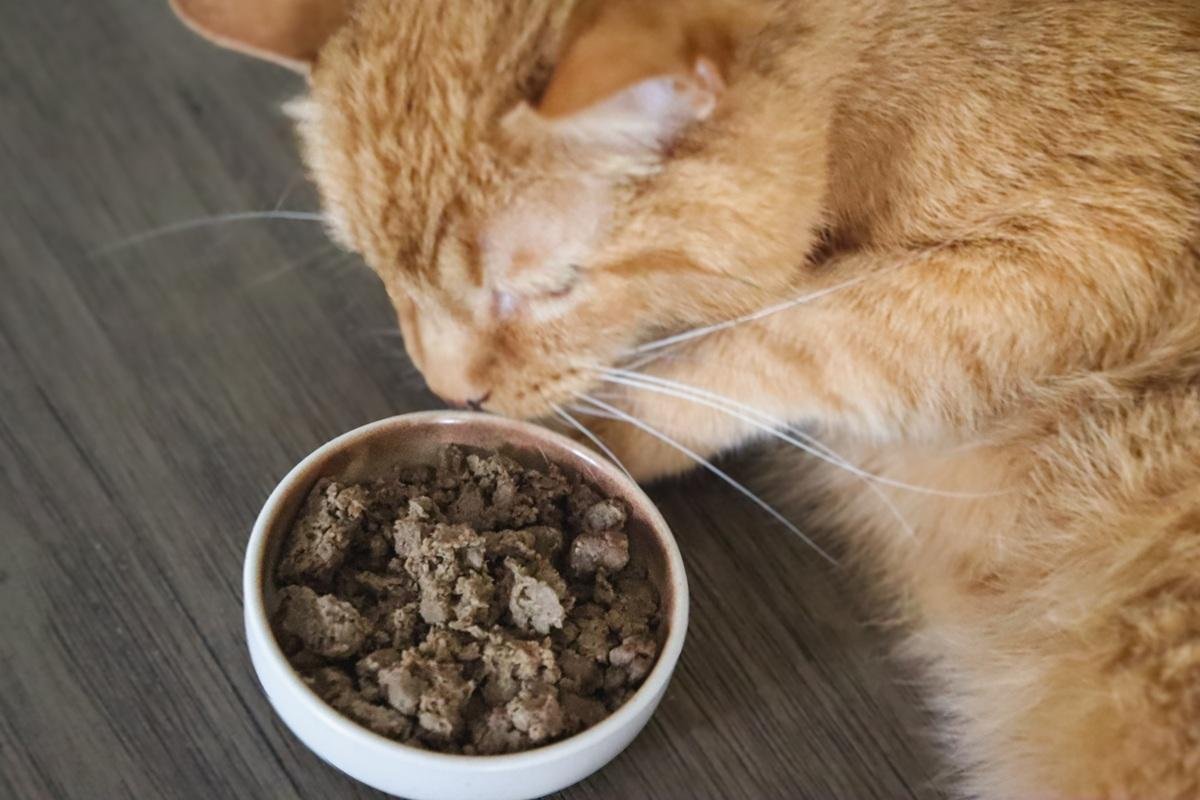
A change in your cat’s eating can signal spoilage. Cats notice off flavors or smells and may refuse food. If your cat stops eating a favorite food,check for spoilage. Even small amounts can upset digestion. Regularly check food quality to protect health.h.
Insect infestations may occur if food is stored improperly. Pantry pests can lay eggs, i.e., in the food, making it unsafe. Check bags or containers for bugs or webbing. Don’t feed contaminated food. Clean storage areas regularly to prevent infestations.s.
Tips for Maintaining Nutritional Value
Even if dry cat food looks safe, its nutritional value may decline over time. Vitamins such as A, D, and E can degrade when exposed to air and light. Feeding older food may not provide your cat with the complete nutrients it needs for optimal health. Feeding stock and using first-in, first-out methods ensures your cat consumes food while it still contains essential vitamins. Freshness is not just about taste; it directly affects your cat’s well-being.
Regularly inspecting and replacing food also helps maintain balanced nutrition. If a bag has been opened for more than eight weeks, it’s safer to replace it. Monitor fat oxidation by checking for rancid odors, which can indicate nutrient degradation. High-quality food stored properly will retain most of its nutritional value for the intended period. By following these practices, you support your cat’s health and longevity.
Using reusable scoops helps prevent contamination. Minimize hand contact to reduce bacteria and moisture. Keee scoops clean for safety. Consistent habits ensure your cat’s meals stay fresh and nutritious. Proper handling keeps each serving safe.s.
Understanding how long dry cat food lasts after opening is essential for every cat owner. Storage, observation, and careful handling all play a role in maintaining freshness and nutrition. By following simple routines and paying attention to signs of spoilage, you can consistently provide safe, healthy meals. Proper care keeps your cat happy, well-nourished, and thriving, while also minimizing waste and health risks.