
Carnations are popular flowers known for their bright colors and delicate fragrance. Many pet owners wonder if these blooms are safe around their cats. Cats are naturally curious and may nibble on leaves or petals.
Understanding the potential risks of carnations helps protect your feline companion. Observing your cat’s behavior around plants is essential for their safety and well-being.
Understanding Carnations and Their Effects on Cats
Carnations contain chemical compounds called glycosides, which can irritate a cat’s digestive system. Ingesting any part of the plant may cause vomiting, drooling, or mild diarrhea. Cats with sensitive stomachs are more prone to these reactions, and even a small nibble can trigger discomfort. Pet owners should always monitor how much their cat interacts with these plants. Knowing the potential symptoms allows for a faster response if ingestion occurs.
Resources such as the Carnation Cat Friendly provide detailed guidance on identifying symptoms of poisoning and safe alternatives. They explain the effects of carnations on feline health and offer tips for preventing accidental ingestion. Following expert advice helps ensure your cat remains safe while you enjoy your flowers. Awareness and preparation can prevent unnecessary trips to the vet.
Be proactive—treat carnations with caution, and observe your cat closely after you bring new plants home. If you notice any symptoms, contact your veterinarian immediately. Don’t wait; preventive care is always better than facing complications.
Behavioral Considerations for Cats Around Plants
Cats are naturally inquisitive and enjoy exploring new objects in their environment. Flowers and houseplants can attract their attention because of movement, color, or scent. Some cats are more prone to chewing or batting at plants, which increases the risk of ingestion. Providing alternative toys or safe chew items can redirect their interest. Understanding your cat’s behavior is key to minimizing risks with decorative plants.
Environmental enrichment can help reduce a cat’s tendency to nibble on flowers. Scratching posts, interactive toys, and climbing areas keep them mentally and physically stimulated. Cats often chew on plants when bored or stressed. Ensuring they have outlets for natural behaviors prevents accidental ingestion of harmful items. Owners should rotate toys and provide regularly fresh, engaging activities.
Monitoring interactions with plants is particularly important for kittens. Younger cats are more curious and likely to explore everything with their mouths. Providing safe alternatives early helps establish good habits. Supervising new plant introductions prevents negative experiences and ensures your home is a safe environment. Over time, cats learn which items are appropriate to investigate.
Safe Alternatives to Carnations for Cat Owners
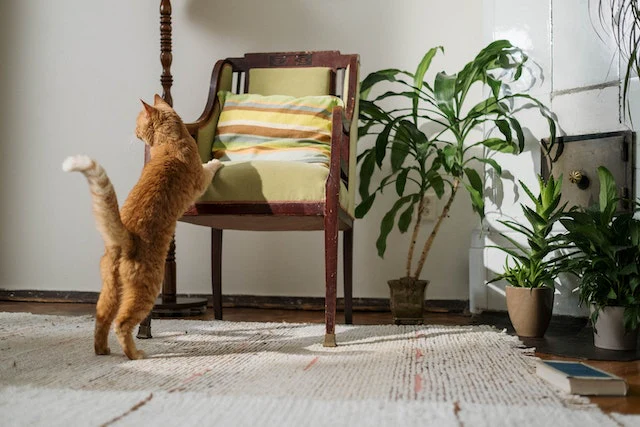
If you love flowers but want to keep your cat safe, consider pet-friendly alternatives. Plants like spider plants, cat grass, and Boston ferns provide greenery without the risk of poisoning. These plants are non-toxic and can even be enjoyed by cats for light nibbling. Displaying safe plants reduces stress for owners while keeping cats entertained. Choosing the right plants ensures harmony between your home décor and pet safety.
Another option is to use artificial flowers or dried blooms in areas your cat cannot reach. These can mimic the beauty of carnations without introducing toxins. Some cats may still bat at artificial petals, so placement is important. Combining artificial plants with live plants creates an attractive, safe environment. Owners should always monitor how their cats interact with decorative items.
Maintaining a mix of safe greenery and stimulating toys encourages positive behaviors. Rotating plant and toy locations keeps cats interested and reduces boredom. Owners can enjoy a visually appealing home while keeping pets out of harm’s way. Educating yourself about plant safety is a small step with a big impact on your cat’s health. Awareness allows you to make informed choices when decorating your space.
Signs of Plant-Related Health Issues in Cats
Recognizing the symptoms of plant ingestion is critical for early intervention. Cats may vomit, drool excessively, or have diarrhea after chewing on carnations. Lethargy or unusual behavior can also indicate discomfort. Immediate action can prevent complications and ensure your cat recovers quickly. Regular observation allows you to detect subtle changes in health that might otherwise go unnoticed.
Owners should keep a record of any unusual behaviors or symptoms. This information helps veterinarians identify the cause of illness and provide appropriate treatment. Persistent or severe reactions require professional evaluation. Quick response is vital to avoid prolonged discomfort or secondary infections. Understanding the signs helps maintain your cat’s overall well-being.
Preventive care includes avoiding high-risk plants and providing safe alternatives. Supervision during exploration reduces the likelihood of accidental ingestion. Educating family members about plant safety ensures everyone in the household contributes to a safe environment. Prompt attention to symptoms minimizes the need for intensive treatments. Creating a cat-friendly home requires planning, observation, and ongoing vigilance.
Knowing whether carnations are safe for cats allows owners to make informed choices. While not highly toxic, these flowers can cause mild gastrointestinal distress. Providing safe plant alternatives and monitoring behavior reduces risks. Ensuring a stimulating and secure environment supports both the health and happiness of your feline friend. With thoughtful planning, cats and plants can coexist safely at home.