
Keeping your dog’s teeth clean is vital to their health. Many owners are surprised to find dental care is a recurring expense. Prices vary based on factors such as your dog’s size and health. Knowing what affects cost helps you budget and avoid surprises.
What Influences the Cost of Dog Teeth Cleaning
Dog teeth cleaning costs depend on the procedure. Basic cleaning without anesthesia ranges from $100 to $300. Full cleaning with anesthesia ranges from $500 to over $1,200. Larger dogs typically cost more due to increased medication and time.
Location also plays a role. Clinics in big cities often charge higher fees than small-town vets. The veterinarian’s experience can also affect the price, especially if specialized dental equipment is used. Some clinics include X-rays, while others charge extra for them.
Another factor is your dog’s dental condition. Dogs with heavy tartar buildup or gum disease may need additional procedures, such as tooth extractions. These treatments can increase the total cost by $200 to $800 or more. Serious cases take longer. That raises fees.
Average Price Ranges and What You Get
Many pet owners search online to understand how much teeth cleaning for dogs costs before visiting a clinic. This gives a rough idea, but actual prices may vary depending on the services included in the package. Some clinics offer bundled services that include exams, cleaning, and polishing.
Others charge separately for each step. A standard anesthetic cleaning includes scaling, polishing, and an oral exam. Some clinics include dental X-rays, which detect hidden issues. Without X-rays, some problems can go unnoticed.d.
Non-anesthetic cleanings are available at some grooming centers. These services, typically costing $100–$200, clean only the tooth surfaces and do not address gum disease or deeper dental issues. As a result, many veterinarians do not recommend them for long-term dental health.
Hidden Costs You Should Know About.
Some costs aren’t obvious. Pre-anesthetic blood tests can add $80–$200 to your bill. These tests ensure your dog is healthy for the procedure. Skipping them can be risky, especially for older pets.s.
Extractions are another major cost. Removing a single tooth may cost $50 to $300, depending on the difficulty. Complex extractions can go even higher. If your dog has advanced dental disease, multiple teeth may need to be removed.
Medications prescribed after the procedure can increase the total expense. Pain relief and antibiotics may add another $30 to $100. Sometimes follow-up visits are necessary and may incur extra charges.
Ways to Save Money on Dog Dental Care
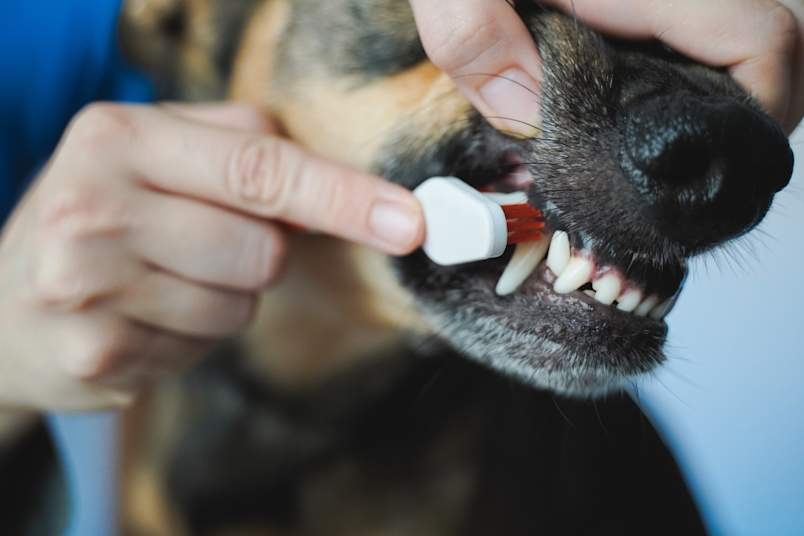
Preventive care is the simplest way to reduce costs. Brushing your dog’s teeth at home several times a week slows down tartar buildup and makes a significant difference. Dental chews and special diets can also support oral health. Some clinics offer dental packages or annual plans with discounted cleanings and checkups. Pet insurance may help cover costs, depending on your policy. Check what’s included first.p.
You may also compare costs between clinics. Fees can differ by 20% or more within the same city. Requesting a detailed estimate allows you to understand fees upfront and avoid surprises.
- Brush your dog’s teeth regularly at home.
- Use dental treats approved by vets.
- Schedule yearly dental checkups.
- Ask about package deals at clinics.
Why Regular Teeth Cleaning Matters for Dogs.
Dental health affects more than your dog’s mouth. Poor oral hygiene can cause infections that spread to the heart, liver, or kidneys. Early care can prevent this.s.Bad breath is a common early sign of dental issues.
Many owners dismiss it as normal, but it usually signals bacterial buildup.h.Regular cleanings can extend your dog’s life. Healthy teeth help dogs eat better and feel comfortable. Dental pain can alter behavior: some dogs stop playing; others get irritable.e.
How Often Should Dogs Get Their Teeth Cleaned?
Most dogs need professional cleanings yearly. Some need them every six months, especially small breeds prone to dental issues. Your vet can recommend a schedule for your dog’s age and health. Puppies rarely need cleanings.t.
Daily or weekly home brushing reduces the need for frequent professional cleanings. Brushing three times a week helps. Consistency matters more than perfection. Start slow if your dog is new to brushing.
Regular checkups help catch problems early. A simple exam can reveal gum redness or plaque buildup before it becomes severe. Treating issues early is cheaper. It is also less stressful for your dog. Dog dental care may seem costly, but it often prevents more expensive problems down the road. Regular cleanings, home care, and early checkups keep your pet healthy. Small steps now can save money and reduce your dog’s discomfort.e.
