
Bloat in dogs is a serious and life-threatening condition that can develop quickly. Many pet owners wonder if a dog will continue to eat during this condition or stop altogether.
The answer is not always simple, as behavior can vary in the early and later stages. Understanding how eating habits change during bloat can help you act more quickly and save your dog’s life.
What Is Bloat and Why Does It Happen
Bloat, also known as gastric dilatation, occurs when a dog’s stomach fills with gas, food, or fluid. In severe cases, the stomach can twist, cutting off blood supply to vital organs. This condition is often seen in large, deep-chested breeds like Great Danes and German Shepherds. It can develop within just 1 to 2 hours.
Several factors may increase the risk of bloat. Eating too fast, drinking large amounts of water right after meals, or exercising immediately after eating can all contribute. Some dogs are simply more prone due to their body shape and genetics. Stress and anxiety may also play a role.
When bloat begins, the stomach expands, increasing abdominal pressure. This pressure affects breathing and blood circulation. As a result, the dog may feel pain and discomfort very quickly. This is not a mild issue.
Early signs can be subtle. A dog might appear restless, trying to lie down but then changing positions. Owners often miss these early warnings because they look like simple stomach upset. Time matters a lot in these cases.
With this background in mind, let’s look at whether or not dogs continue eating when affected by bloat.
In the early stage of bloat, a dog may briefly show interest in food, but this fades rapidly as pain worsens. Most stop eating altogether. Noticing loss of appetite early is crucial for quick intervention.
If you want to understand more about behavior changes and warning signs, this guide on do dogs with bloat eat explains how appetite is affected and why eating habits shift so quickly during this condition.
Loss of appetite is one of the first clear signs that something is wrong. A normally eager eater may suddenly ignore food. Owners should take this seriously.
Some dogs may try to eat but fail due to nausea or pain. They might approach food and then walk away without touching it. This behavior is often a clear sign of discomfort. It should not be ignored.
In later stages, eating becomes very unlikely. The dog may focus solely on relieving pressure in the stomach. At this point, emergency care is needed immediately. Delay can be fatal.
Other Symptoms That Appear Alongside Loss of Appetite
When a dog stops eating due to bloat, other symptoms usually appear at the same time. One of the most noticeable signs is a swollen or hard abdomen. The stomach may look visibly larger than normal. This is a key warning sign.
Dogs with bloat often try to vomit but cannot. They may retch repeatedly without producing anything. This dry heaving is very common. It signals serious trouble.
Breathing may become rapid or shallow. The pressure inside the abdomen makes it hard for the lungs to expand properly. You might see your dog panting even while resting. This is not normal behavior.
Here are some common symptoms to watch for:
– Swollen belly that feels tight to the touch.
– Repeated attempts to vomit with no result.
– Restlessness and pacing around the house.
– Drooling more than usual.
– Weakness or sudden collapse in severe cases.
Gums may turn pale or even bluish due to poor blood circulation. This is a late and dangerous sign. Immediate veterinary care is critical at this stage. Every minute counts.
Why Dogs Refuse Food During Bloat
The main reason dogs stop eating during bloat is pain. The expanding stomach creates intense pressure, making eating uncomfortable or even impossible. Even a small amount of food can worsen the feeling. The body reacts by rejecting food entirely.
Nausea is another key factor. The trapped gas and food inside the stomach create a strong urge to vomit, but vomiting is often impossible, causing ongoing discomfort and rapid appetite loss.
Another factor is stress. Dogs sense that something is wrong and may become anxious or fearful. This emotional response can further reduce their interest in food. Appetite drops fast.
In advanced cases, blood flow to the stomach and other organs is reduced, which can affect digestion. Eating becomes a low priority as the body shifts to survival mode.
Even treats may not interest them. That is a serious sign.
When to Seek Emergency Help
Bloat demands immediate veterinary action. If your dog refuses food and shows other signs, seek emergency help without hesitation. Every minute can affect survival.
Call your veterinarian or go to the nearest emergency clinic as soon as possible. Treatment often involves relieving the gas and, in severe cases, surgery to untwist the stomach. The sooner treatment begins, the better the chances of survival.
Dogs treated within the first few hours have a higher survival rate. Some studies suggest survival rates can exceed 80 percent with quick care. Delayed treatment lowers these chances significantly. Speed matters.
Transport your dog carefully. Avoid giving food or water during this time. Keep them calm and limit movement as much as possible. Stress can worsen the condition.
Preparation helps. Knowing the nearest emergency clinic in advance can save valuable time during a crisis. Keep contact numbers ready.
Preventing Bloat and Supporting Healthy Eating Habits
Prevention is not always guaranteed, but certain steps can reduce the risk. Feeding smaller meals instead of one large meal per day is a good start. Many vets recommend dividing food into at least two portions daily. This reduces stomach pressure.
Avoid intense exercise right after meals. Wait at least 30 to 60 minutes before allowing your dog to run or play. This simple habit can lower the risk of bloat. Calm routines help.
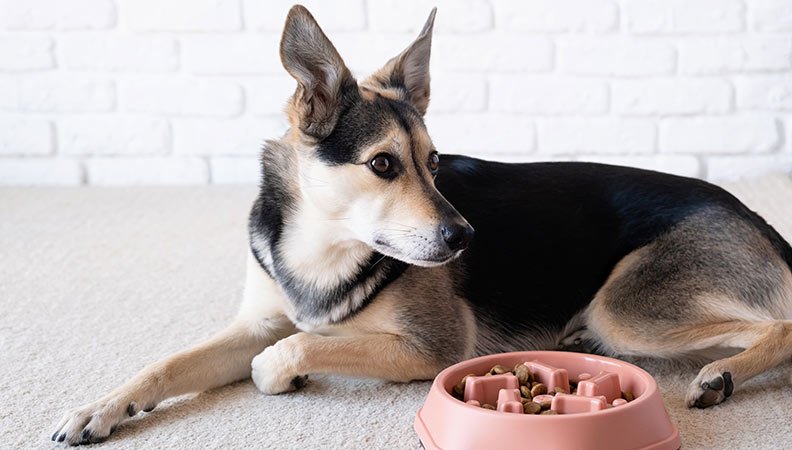
Slow-feeder bowls can help dogs that eat too quickly. These bowls force the dog to take smaller bites and chew more. This reduces the amount of air swallowed during eating. It can make a difference.
Fresh water should always be available, but avoid letting your dog drink excessive amounts right after eating. Balance is key. Keep an eye on their habits.
Regular vet checkups can help identify risk factors early. Some dogs may benefit from preventive surgery, especially high-risk breeds. This procedure secures the stomach and reduces the chance of twisting. It is a serious decision that requires professional advice.
Bloat can change a dog’s behavior quickly, and eating habits are often one of the first signs that something is wrong. Watching for sudden appetite loss, along with other symptoms, can help you respond quickly. Acting early gives your dog the best chance to recover and return to a healthy routine.