
Gabapentin is a medication commonly prescribed for cats to manage nerve pain, anxiety, and other medical conditions. Many cat owners have concerns about its safety and potential side effects.
While gabapentin can be effective when used correctly, improper dosing or administration can lead to complications. Understanding how the drug works, its benefits, and its risks is essential for any cat owner. Consulting with a veterinarian is always recommended before starting any new medication for your pet.
How Gabapentin Works in Cats
Gabapentin is primarily used to reduce nerve-related pain in cats. It affects the way nerves transmit pain signals to the brain, helping cats feel more comfortable. The drug is also sometimes prescribed to reduce anxiety during travel, vet visits, or stressful events.
A helpful resource that explains proper gabapentin use and addresses concerns is is gabapentin safe for Cats. This guide provides detailed information on dosage, safety, and administration methods. Understanding how gabapentin works ensures that it can be used effectively without unnecessary risks.
The medication is slowly absorbed in cats, with effects often taking 1 or more hours to appear. Dosing varies based on the cat’s weight, age, and overall health. Veterinarians usually start with a low dose to see how the cat responds. Over time, adjustments may be made to achieve optimal results. This careful approach minimizes side effects and maximizes benefits.
Gabapentin is not addictive in cats, unlike some other medications used for anxiety or pain. However, abrupt discontinuation can cause discomfort if the cat has become accustomed to the drug’s effects. Gradual tapering under veterinary guidance is recommended. Monitoring the cat’s behavior during treatment helps ensure that any issues are addressed quickly. Responsible use is critical for safe and effective outcomes.
Potential Side Effects of Gabapentin
Gabapentin is generally well-tolerated, but some cats may experience side effects. Common issues include drowsiness, mild unsteadiness, or temporary loss of coordination. These effects usually subside as the cat adjusts to the medication. Less common side effects may include vomiting, diarrhea, or changes in appetite. Owners should watch for unusual behavior and report any concerns to a veterinarian promptly.
Overdosing is a significant risk that can cause more severe side effects, including sedation, lethargy, and in rare cases, difficulty breathing. It is crucial to follow the prescribed dosage precisely and avoid giving extra doses. Cats with kidney or liver problems may require special monitoring, as these organs process the drug differently. Individual variations mean that no single dose is safe for all cats. Careful observation is essential to ensure safety and effectiveness.
Long-term use of gabapentin generally does not cause permanent damage in healthy cats. Some veterinarians may recommend periodic blood tests to monitor organ function if the cat takes gabapentin for an extended period.
Dosage adjustments may be needed based on test results or changes in the cat’s condition. Combining medication with supportive care, such as pain management strategies or environmental enrichment, improves the cat’s quality of life. Understanding and monitoring side effects ensures that treatment remains safe.
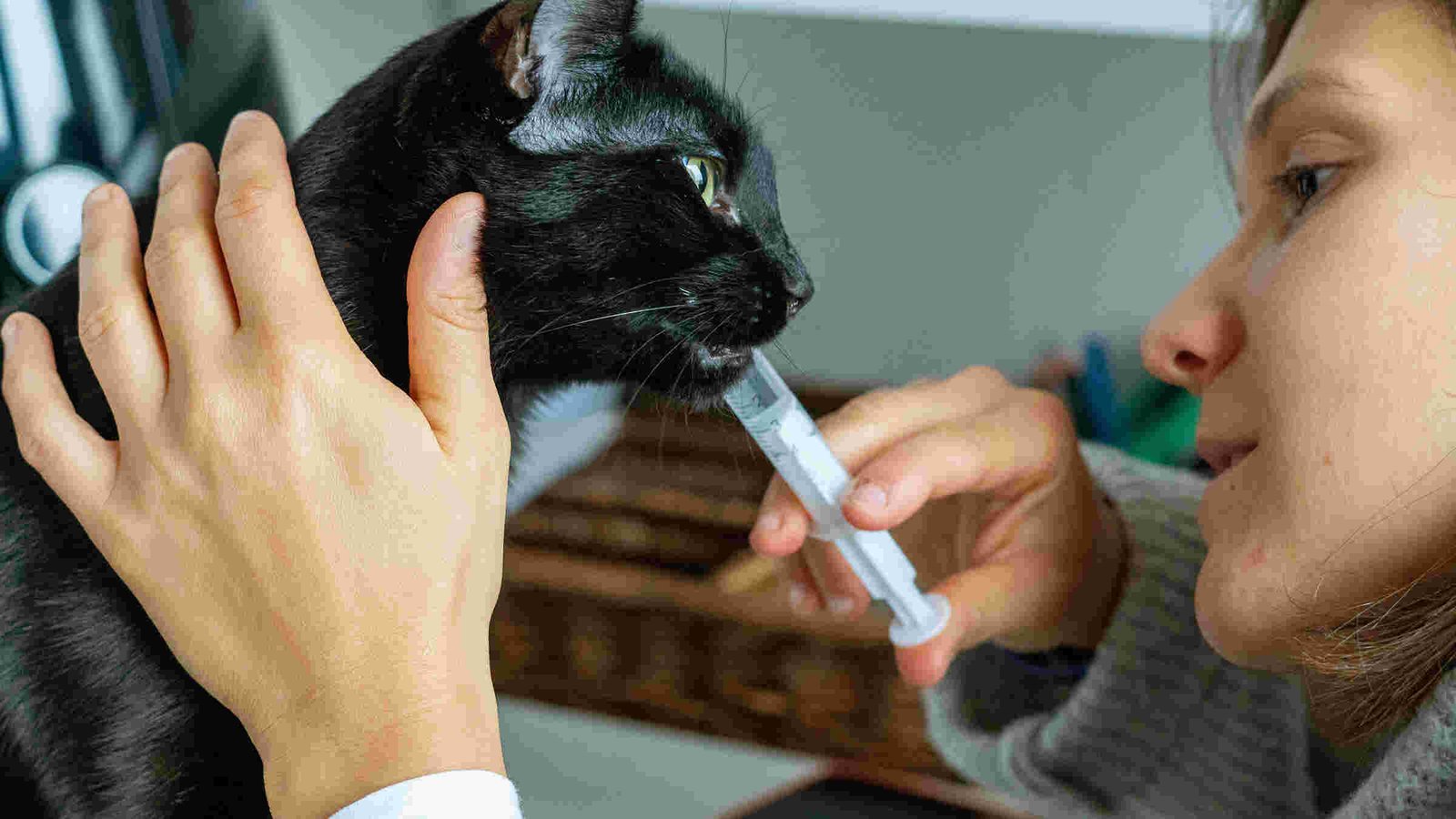
Administering Gabapentin to Cats
Giving gabapentin to a cat can sometimes be challenging. Cats are known to be sensitive to the flavors and forms of medication. Pill administration, liquid formulations, or compounding into treats are common methods. Using a pill pocket or hiding the medication in food can make dosing easier. Patience and consistency are key to ensuring the cat receives the correct amount every time.
Timing of doses is also important. Gabapentin is typically given every 8 to 12 hours, depending on the condition being treated. Missing a dose can reduce effectiveness, while giving too much may increase the risk of side effects. Setting reminders or using a medication schedule helps maintain consistency. Cats respond better when they have a predictable routine, especially when medications are involved. Close communication with a veterinarian ensures proper administration and monitoring.
Monitoring the cat during treatment helps identify any issues quickly. Observe changes in behavior, appetite, or mobility. Any sudden or severe reactions should be addressed immediately. Tracking these observations allows the veterinarian to adjust dosage or switch medications if necessary. A proactive approach ensures the cat remains safe and comfortable throughout treatment.
When Gabapentin Should Be Used
Gabapentin is most commonly prescribed for nerve pain caused by conditions like arthritis, injuries, or post-surgical recovery. It may also be used to reduce anxiety in cats that struggle with travel, veterinary visits, or other stressors. Veterinarians weigh the benefits against potential risks before prescribing the medication. Cats with pre-existing kidney or liver conditions may need special considerations. Proper evaluation ensures that gabapentin is an appropriate and safe choice.
In some cases, gabapentin is part of a broader treatment plan. Pain management may also include anti-inflammatory medications, dietary adjustments, or physical therapy. Anxiety reduction may be supported with environmental enrichment or behavioral training. Combining multiple approaches often leads to better outcomes than relying on a single treatment. A veterinarian’s guidance ensures that the plan is tailored to the cat’s specific needs.
Gabapentin can improve quality of life significantly when used responsibly. Pain relief allows cats to move more freely and engage with their environment. Anxiety management reduces stress-related behaviors that can affect health and relationships. With careful monitoring, dosing, and veterinary oversight, gabapentin can be a valuable tool in feline care. Responsible use maximizes benefits while minimizing risks for cats of all ages and conditions.
Gabapentin is a useful medication for many cats, but safety depends on correct use. Understanding its effects, potential side effects, and proper administration is crucial. Regular communication with a veterinarian ensures that treatment remains appropriate and effective.
By staying informed and vigilant, cat owners can help their pets live more comfortable and less stressful lives. Proper care and attention make a significant difference in outcomes when using gabapentin.
Being informed about gabapentin allows cat owners to make the best decisions for their pets. Observing behavior, maintaining accurate dosing, and consulting veterinarians regularly are essential steps. Responsible medication use protects cats from side effects while providing the relief they need. Combining medical treatment with attentive care ensures that cats remain safe, healthy, and comfortable throughout their treatment journey.