
Outdoor cats face harsh winter conditions, and staying warm is essential for their survival. Cold weather, snow, and freezing winds create challenges that these cats must overcome to stay healthy. Unlike indoor cats, they cannot rely on central heating and must use natural and human-assisted methods to maintain body heat.
Observing how they cope provides insight into their resilience and adaptive behaviors. Providing safe shelters and proper care ensures that outdoor cats can survive the coldest months.
Natural Adaptations of Outdoor Cats
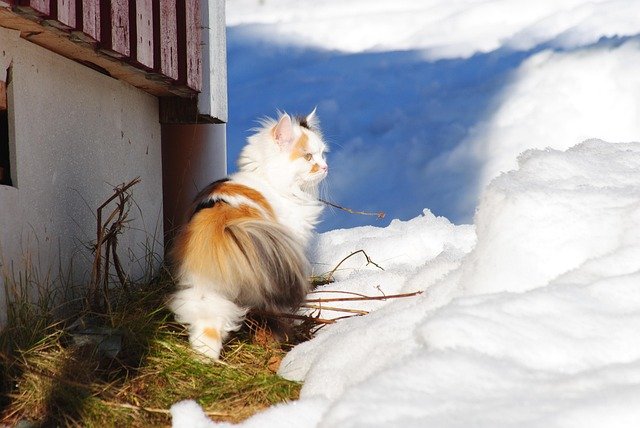
Cats have several natural adaptations to endure cold weather. Their fur thickens during winter, creating insulation against low temperatures. They often curl into tight balls to reduce exposed surface area and conserve heat. Outdoor cats may seek out sunny spots or sheltered areas to stay warmer. These behaviors are instinctual and help them survive even when temperatures drop below freezing.
Kittens and older cats, however, are more vulnerable to the cold. Healthy adult cats can usually handle brief exposure to winter temperatures. Cats also use body heat-sharing techniques by huddling together for warmth. They may choose higher ground or sheltered areas to minimize heat loss while resting. Understanding these natural strategies helps caregivers provide additional support during extreme cold.
Despite their adaptations, prolonged exposure is dangerous. Frostbite and hypothermia risk cats left outside without shelter. They instinctively seek insulation, such as hollow trees or under porches, to protect them from wind and moisture. Watching winter behavior indicates when extra help is needed for survival.
Providing Shelter and Safety
Human assistance can significantly improve outdoor cats’ ability to stay warm. Creating insulated shelters or placing safe structures in protected areas offers refuge from snow and wind. For guidance on proper setup and care, organizations like the one that explains how outdoor cats stay warm in the winter provide detailed advice.
They explain the materials to use, where to place shelters, and how to prevent drafts. Following expert recommendations ensures that cats have a secure, warm environment throughout the season.
Shelters should be slightly elevated to prevent moisture from seeping in. Straw or thick bedding insulates better than blankets, which retain moisture. Cats may inspect shelters before settling in. Keep entrances small to minimize heat loss and block wind. Provide multiple shelters for groups of cats.
Choosing locations near human activity can offer additional safety. Cats often prefer places where they feel protected from predators and extreme weather. Quiet corners in garages, sheds, or behind bushes can work well. Regularly checking shelters for damage or moisture is important. Properly maintained shelters can significantly increase the survival rate of outdoor cats in the winter months.
Nutrition and Energy for Cold Weather
Maintaining energy levels is critical for cats to generate body heat in winter. Outdoor cats need high-calorie diets during cold months to compensate for heat loss. Both wet and dry foods can be provided, but adding extra protein or fat helps keep them warm. Feeding at consistent times encourages cats to visit shelters regularly. Ensuring access to fresh water is equally important, as frozen water sources can pose a risk of dehydration.
Some caretakers use heated water bowls or add warm water to meals to prevent freezing. Place food inside or near shelters to reduce energy loss while eating. Tracking food intake reveals health status. Cats unable to maintain weight may need a vet or extra feeding. Nutrition lets cats survive harsh winters.
Energy-rich meals also help outdoor cats maintain muscle tone and body heat. Cats with insufficient nutrition may appear lethargic and become more vulnerable to illness. In winter, energy demands increase, and regular monitoring ensures that cats stay healthy. Feeding multiple times a day can provide a steady source of calories. Combining proper shelter and nutrition offers the best protection against extreme cold.
Behavioral Strategies for Staying Warm
Outdoor cats use many behaviors to stay warm. They seek shelter or sun during the day and burrow into leaves or insulated spaces at night. Grouping with other cats helps share body heat, crucial in extreme cold. These instincts and learned survival skills aid their endurance.
Cats may also adjust their activity levels in winter. Less movement reduces energy expenditure and conserves warmth. They tend to hunt or explore during daylight hours, when temperatures are higher, and to rest during the coldest periods. Observing these patterns can help caretakers identify when a cat may need extra help. Cats are adept at sensing danger from the cold and adjusting their behavior accordingly.
Another strategy involves grooming to maintain an insulating fur coat. Clean, fluffed fur traps air and acts as natural insulation. Snow or rain can weigh fur down, reducing its insulating properties. Cats often shake off moisture and seek dry areas to maintain warmth. Encouraging safe, dry resting places effectively supports these natural behaviors.
Combining natural adaptations, safe shelter, good nutrition, and observation helps outdoor cats endure winter. These steps reduce the risk of frostbite, hypothermia, and other cold-related injuries. Awareness and preparation allow cats and caretakers to get through winter with less stress. Planning creates a safe, supportive environment for cats in harsh conditions.
Outdoor cats face significant challenges in winter, but understanding their needs helps them thrive. Proper shelter, nutritious meals, and observation of natural behaviors enhance their ability to stay warm. By providing these supports, caretakers can ensure that outdoor cats remain healthy, active, and safe throughout the coldest months of the year. Preparedness makes a critical difference in their survival and well-being.