
The tabby British Shorthair is a cat that easily stands out with its round face, dense coat, and calm nature. Many cat lovers admire this breed for its gentle personality and classic look. It carries a mix of strength and softness in both body and behavior. These cats are not just pretty; they also make loyal companions in many homes around the world.
Appearance and Physical Traits
The tabby British Shorthair has a strong and sturdy body that often weighs between 4 to 8 kilograms. Its broad chest and thick legs give it a powerful look, yet its round eyes soften its overall appearance. The coat is short but very dense, almost plush to the touch. This makes the cat feel like a living teddy bear.
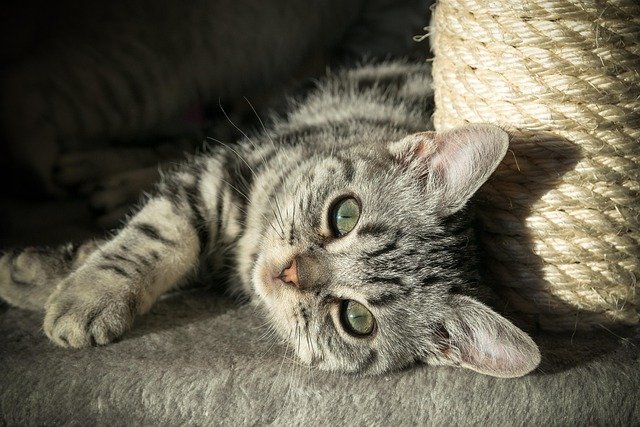
Tabby patterns vary widely, which adds to the charm of this breed. You can see classic swirls, mackerel stripes, or even spotted patterns across their fur. Common colors include silver, brown, blue, and cream. Each pattern is unique, and no two cats look exactly the same.
Their eyes are large and expressive. Most tabby British Shorthairs have copper or golden eyes, though some may show green shades depending on coat color. Their small ears sit wide apart, giving them a calm and balanced look. They rarely look aggressive. They look calm.
Another notable feature is their thick tail, which is usually medium in length and rounded at the tip. This adds to their balanced body structure and helps with movement. Even though they appear heavy, they can move quietly and smoothly. Their physical traits reflect both beauty and strength.
Temperament and Daily Behavior
These cats are known for their quiet and relaxed personality. They enjoy spending time near their owners but are not overly demanding. Many owners say their cat follows them from room to room without making much noise. This behavior creates a peaceful bond between pet and owner.
For those who want more detailed care tips and insights, you can find useful information about the tabby british shorthair from trusted online resources that focus on pet health and lifestyle guidance.
They are not very active compared to some other breeds. A short play session of 10 to 15 minutes per day is often enough to keep them happy. Still, they enjoy toys that allow them to chase or pounce occasionally. It keeps them mentally engaged.
These cats are great for indoor living. They do not climb excessively or scratch furniture as much as high-energy breeds might. Their calm nature makes them suitable for apartments or smaller homes. Families with children often find them easy to manage.
Despite their calm nature, they can show affection in subtle ways. A gentle head bump or sitting beside you quietly is their way of showing love. They do not like being picked up too often. Respect their space.
Care, Grooming, and Health Needs
Taking care of a tabby British Shorthair is not difficult, but it does require regular attention. Their dense coat needs brushing at least once or twice a week. This helps reduce shedding and prevents hair from building up around the house. During seasonal changes, shedding may increase.
Bathing is rarely needed unless the cat gets very dirty. Most of the time, they keep themselves clean. Nail trimming should be done every two to three weeks. Clean ears and check their teeth regularly to avoid infections.
Diet plays a big role in their health. These cats can gain weight easily due to their low activity level. A balanced diet with proper portions is important to prevent obesity. Obesity can lead to serious health issues.
Some common health concerns include heart conditions like hypertrophic cardiomyopathy and joint stiffness in older cats. Regular vet checkups, at least once a year, can help catch problems early. Early care makes a big difference.
They usually live between 12 to 15 years. With proper care, some even reach 18 years. Long life depends on diet, exercise, and regular medical attention. Owners should stay aware of any changes in behavior or appetite.
History and Origin of the Breed
The British Shorthair is one of the oldest cat breeds in the world. Its history goes back nearly 2,000 years to ancient Rome. Roman soldiers brought cats to Britain to control rodents, and these cats later adapted to the local environment. Over time, they developed into the strong and thick-coated breed we see today.
Tabby patterns were among the earliest markings seen in these cats. These patterns helped them blend into natural surroundings, which was useful for hunting. Even now, the tabby design remains one of the most common and loved variations.
During the 19th century, breeders began to standardize the British Shorthair. Cat shows became popular in England, and this breed gained attention for its solid build and calm nature. The famous cat show at Crystal Palace in 1871 included British Shorthairs among its stars.
World War I and II reduced their numbers significantly. Breeders worked hard to restore the population using careful breeding programs. Today, the breed is stable and recognized worldwide. It is especially popular in Europe and Asia.
The tabby variation continues to attract attention because of its natural look and wide range of patterns. Each marking tells a small story of the breed’s long journey through history. That legacy still lives today.
Living with a Tabby British Shorthair
Living with this breed is often described as easy and comforting. They adapt well to different living spaces, from small apartments to large houses. Their quiet nature means they rarely cause trouble or create loud disturbances. This makes them ideal for people who enjoy a peaceful home.
They form strong bonds with their owners but still enjoy independence. You may notice your cat sitting near a window for hours, watching birds or street activity. They enjoy observing more than chasing. It suits their calm personality.
Children can get along well with them if they learn to handle the cat gently. Rough play is not something these cats enjoy. They prefer slow and calm interactions. This makes them better suited for older kids or adults.
They can also live with other pets if introduced properly. Dogs with calm behavior usually get along well with them. Early socialization helps a lot in building these relationships. Patience is key.
Daily routines matter to them. Feeding at the same time each day and keeping a stable environment helps them feel secure. Sudden changes may stress them. Keep things simple.
The tabby British Shorthair offers a mix of beauty, calmness, and companionship that fits well into many types of households. Its easy-going nature makes daily life smoother, while its unique patterns keep it visually interesting. For many owners, this breed becomes a quiet yet meaningful part of their routine.