
As a licensed veterinarian practicing in Texas for over a decade, I’ve seen more matted cats than I can count. Some are long-haired breeds like Maine Coons, while others are short-haired cats with neglected undercoats.
Knots in a cat’s fur can cause discomfort, skin irritation, and even infection if left untreated. Over the years, I’ve developed strategies that make the process gentler for both the cat and the owner, and I’ve learned that patience is as crucial as the right tools.
Understanding the Problem
Cats groom themselves meticulously, but fur knots happen for several reasons—shedding, loose hair, moisture, or simply long hair that tangles over time. I remember a customer last spring who brought in her Persian cat, whose back and sides were so matted that the skin underneath was inflamed. She had tried combing it out at home with a regular brush, but the cat became increasingly stressed and resistant. That’s when I stressed to her the importance of the right technique and tools, rather than brute force.
Knots form when fur twists around itself, trapping debris and creating tight mats. Attempting to pull these out hastily can hurt your cat and make them distrust grooming sessions. Over my years of practice, I’ve found that understanding where knots commonly form—behind the ears, under the armpits, and along the hind legs—helps you address the problem before it becomes severe.
Gentle Techniques to Remove Knots
Start with a Calm Environment
Cats are extremely sensitive to handling, especially when their fur is uncomfortable. I always advise owners to pick a quiet room with minimal distractions.
A cat that’s anxious will resist, making knots worse. When I first encountered a Himalayan with thick mats, I spent 20 minutes just letting her sniff the brush and relax on my lap before touching her fur. That initial patience makes a huge difference.
Use the Right Tools
A standard human brush rarely works on mats. I recommend a dematting comb or a wide-tooth comb for starting, paired with a slicker brush for smoothing out loose fur afterward. For stubborn mats, a pair of curved grooming scissors can help—but only if used carefully to avoid nicks. I’ve often guided owners to hold the mat away from the skin and snip gently, rather than pulling, which reduces stress and prevents skin injury.
Break Down Mats Slowly
Never try to remove a large mat in one go. I’ve seen cats react defensively when someone yanks a stubborn knot out. Instead, separate the mat into smaller sections using your fingers and work gradually with your comb. Often, applying a small amount of cat-safe detangling spray or conditioner softens the hair, making it easier to work through tangles.
One memorable case involved a domestic longhair with a particularly dense undercoat. By taking 10-minute sessions twice a day, the mat was removed without any trauma to the cat.
Reward and Reassure
Positive reinforcement is often overlooked. I’ve found that giving treats or gentle petting after each small section encourages cats to tolerate longer sessions. This approach also makes future grooming easier. Even cats who initially resist can become cooperative once they associate grooming with comfort rather than pain.
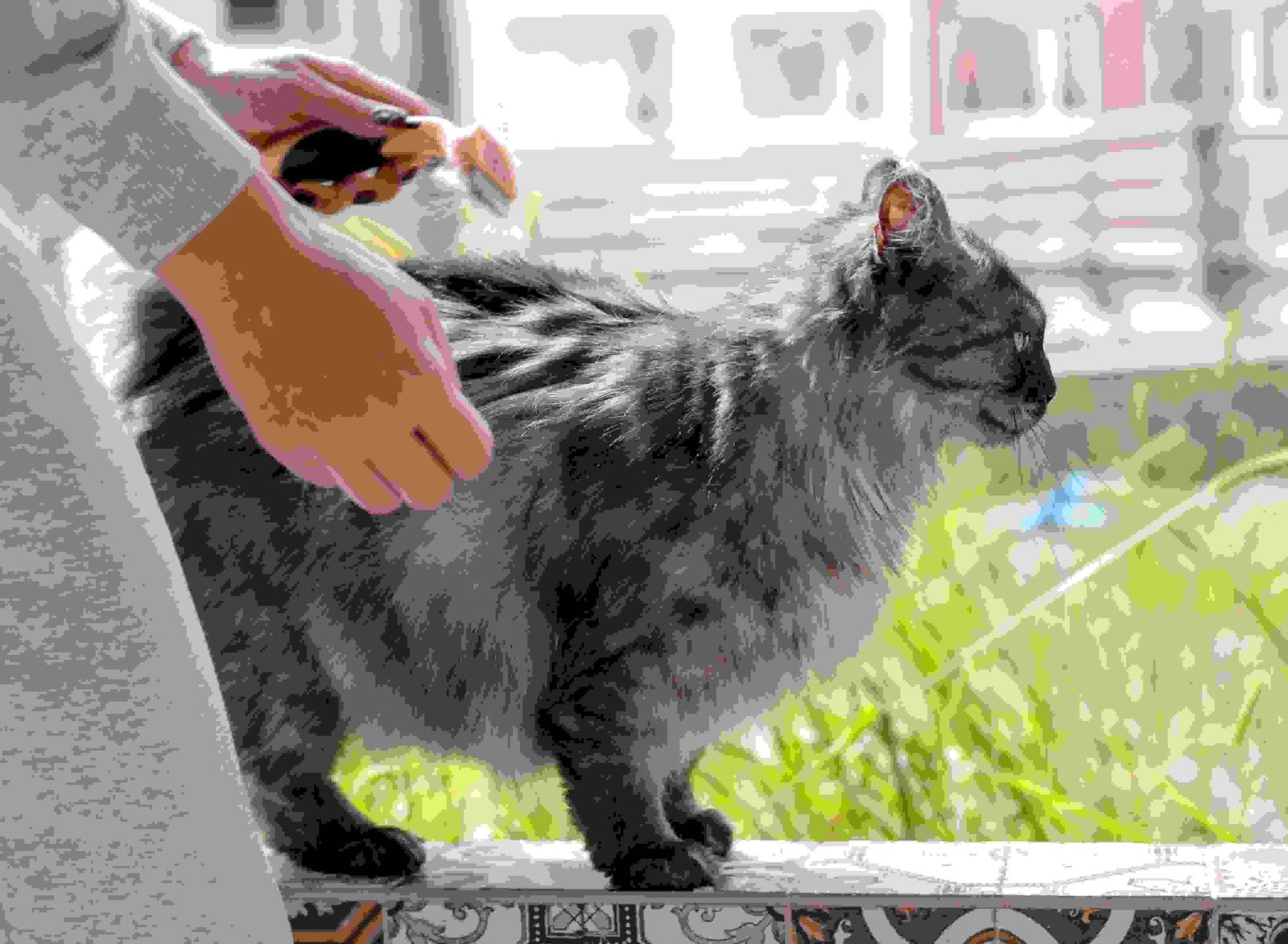
When to Seek Professional Help
Some mats are too tight or extensive to handle safely at home. During my veterinary practice, I’ve had to sedate a few cats for complete dematting when their skin was inflamed or the matting was severe.
It’s always better to seek professional help than risk cutting or pulling at sensitive areas. Additionally, professional groomers can often recommend ongoing maintenance techniques that keep knots from returning.
Preventing Future Knots
Prevention is simpler than removal. Regular brushing, especially for long-haired cats, reduces shedding and tangling. I advise owners to schedule at least two to three short brushing sessions per week, focusing on problem areas. Occasional baths with a cat-safe shampoo, proper nutrition for a healthy coat, and checking for early mats during daily petting can also make a significant difference.
Over the years, I’ve seen cats transform from tense, matted, and uncomfortable to sleek, relaxed, and cooperative with consistent grooming. The key is patience, the right tools, and a gentle approach that respects the cat’s comfort. With experience, you’ll find that even stubborn mats can be addressed safely and effectively, leaving your cat happier and healthier.