

Insights From a Canine Fitness Trainer
I’ve spent the better part of a decade working with active dogs—everything from family pets that struggle to keep up on a jog to high-drive athletes trained for sprinting and agility. One of the most common questions I hear is simple: how fast can a dog actually run?
The short answer is that it depends heavily on the dog. But the real answer, the one that matters if you’re trying to understand your own dog, goes much deeper.
The Speed Range Most Owners Can Expect
In my experience, most healthy, medium-sized pet dogs top out at 25-35 miles per hour in short bursts. That surprises people. They expect their dog to be slower, especially if it spends most of the day lounging around the house.
But dogs are built for acceleration. Even average breeds can sprint faster than most humans over short distances.
Then there are the outliers. Breeds like the Greyhound can reach speeds of up to 40–45 mph. I’ve worked with a retired racing Greyhound once, and watching him open up on a field was something else entirely. Within a few strides, he left every other dog behind—not gradually, but explosively. That’s the difference selective breeding makes.
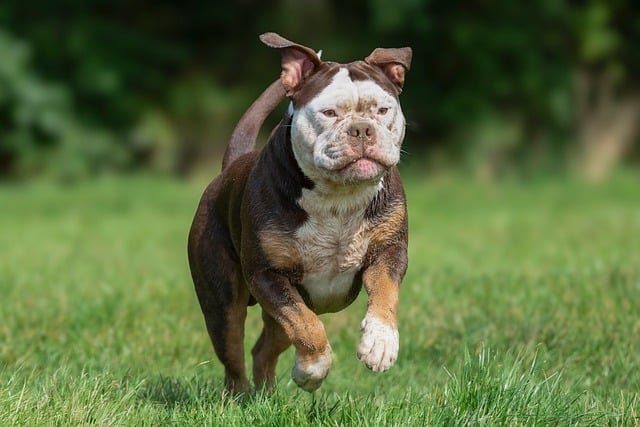
On the other end, smaller or stockier dogs—think a Bulldog or a Pug—might max out closer to 10–15 mph, and even that can be taxing for them.
Speed Isn’t Just About Breed
Breed gives you a rough ceiling, but it doesn’t tell the full story. I’ve seen working-line Border Collies outrun larger breeds simply because they were properly conditioned.
A few years ago, a client brought in a young mixed-breed dog—nothing particularly special on paper. But the dog had been running daily alongside a bicycle since it was about a year old. Lean, muscular, and incredibly focused. That dog easily hit speeds comparable to purebred sprinters, at least over short distances.
Fitness, weight, and muscle development matter more than most people realize.
An overweight dog, even from a fast breed, won’t come close to its natural speed. I’ve had to explain this gently to owners who insist their dog is “just slow by nature,” when in reality, the dog is carrying several extra kilos.
The Kind of Running Matters
Another thing I’ve learned the hard way: people often confuse sprint speed with endurance.
Dogs are incredible sprinters, but not all of them are built for sustained running. A Siberian Husky, for example, won’t necessarily beat a Greyhound in a short race—but over distance, it’s a completely different story.
I once worked with a Husky owner who wanted to “test” his dog’s speed against others at a park. In short chases, his dog didn’t stand out. But during longer runs, that same dog just kept going while others slowed down or stopped entirely.
That’s because Huskies are endurance runners. They’re designed to maintain moderate speeds for miles, not explode into short sprints.
Real-World Situations Where Speed Shows Up
Most owners don’t see their dog’s true speed unless something triggers it.
I remember one incident clearly: a client’s normally calm Labrador slipped out of a loose gate and spotted another dog across an open field. That Lab—who usually looked a bit lazy—covered the distance faster than the owner could even react. It wasn’t graceful, but it was fast.
Moments like that remind me that many dogs operate well below their physical limits in daily life.
Another example came from a recall training session. A young German Shepherd I was working with hesitated at first. But once the recall clicked, the speed at which he turned and sprinted back was dramatic. It wasn’t just obedience—it was raw athletic ability being unlocked.
Common Mistakes Owners Make
One mistake I see often is assuming all dogs can safely run at high speeds regularly. They can’t.
Flat-faced breeds, like Pugs, can overheat quickly. Heavy breeds can strain joints. Even athletic dogs can get injured if they’re sprinting on hard surfaces like concrete.
I’ve worked with dogs that developed limping issues simply because their owners encouraged too much high-speed chasing on rough ground.
Another issue is overestimating endurance. Just because a dog can sprint fast doesn’t mean it should be pushed to do it repeatedly. Sprinting is intense. It needs recovery.
What You Should Take Away
If you’re trying to gauge how fast your own dog can run, look beyond breed charts. Watch how your dog moves when it’s excited, healthy, and in an open space.
Speed is a mix of genetics, conditioning, and environment. Some dogs are born fast. Others become fast through activity and proper care.
And sometimes, the dog that surprises you the most is the one you thought was slow.