
Understanding Maine Coon Pricing
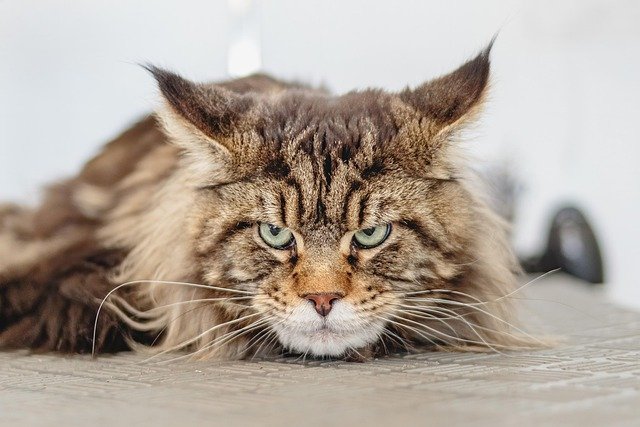
As a licensed veterinarian practicing in Texas for over a decade, I’ve had countless clients ask me about Maine Coon cats—their personalities, health needs, and especially their cost. Maine Coons are among the largest domesticated cat breeds, known for their tufted ears, bushy tails, and gentle, dog-like temperaments. But with their striking appearance and friendly disposition comes a price that often surprises first-time cat owners.
In my experience, the cost of a purebred Maine Coon typically ranges from several hundred to several thousand dollars. The exact price depends on factors like the cat’s lineage, age, coat color, and breeder reputation.
For instance, a Maine Coon kitten from a breeder who participates in cat shows or whose cats have champion bloodlines may command several thousand dollars. Meanwhile, kittens from smaller, reputable breeders with strong health screenings but without show potential can cost less.
A situation I encountered last spring illustrates this well. A couple came to me after purchasing a Maine Coon online for what they thought was a “bargain price.” Within weeks, the kitten developed respiratory issues, and the owners faced hefty vet bills. I had to explain that the low cost often reflected minimal health screening and uncertain breeding conditions.
Factors That Influence Cost
One of the most common misconceptions I encounter is that coat color doesn’t matter. In reality, rare patterns like silver tabby or shaded colors can increase a Maine Coon’s price. Similarly, males tend to be larger and sometimes more expensive than females, especially if they come from a line known for size or show potential.
Another factor is vaccination and veterinary history. When I first encountered a Maine Coon kitten with incomplete vaccinations, the breeder charged less, but the owners ended up paying more in emergency vet visits. From my perspective, a higher initial investment often saves money and stress later.
Breeder reputation also plays a significant role. Reputable breeders screen for genetic conditions such as hypertrophic cardiomyopathy (HCM) and hip dysplasia and provide documentation for each kitten. In my experience, kittens from these breeders may cost several thousand dollars, but the assurance of health and temperament is well worth it. On the other hand, kittens from unverified sources or backyard breeders can be cheaper upfront but may carry a higher risk of illness or behavioral issues.
Adoption vs. Buying
While many people think that a Maine Coon must be purchased from a breeder, adoption can be a viable option. Occasionally, purebred Maine Coons end up in rescues or shelters, often due to unforeseen life circumstances. I once had a client adopt a three-year-old Maine Coon who had been surrendered by a family moving overseas. The adoption fee was significantly lower than buying a kitten, yet the cat was fully vaccinated, spayed, and in excellent health.
Adopting an adult Maine Coon can also be a better financial choice in some cases, as the upfront cost is lower, and initial veterinary care is often included. That said, the joy of raising a kitten from birth and forming a bond during early socialization is something many owners are willing to pay extra for.
Hidden Costs to Consider
Even after paying the initial price for a Maine Coon, owners must anticipate ongoing expenses. Their size means they eat more than the average cat, requiring higher-quality food to maintain proper growth and coat health. Grooming is another consideration; their long fur needs regular brushing to prevent matting, and nail trims are essential to avoid furniture damage.
In one memorable case, a client bought a Maine Coon kitten and wasn’t prepared for the grooming needs. The kitten developed several small mats that required sedation for removal, adding hundreds of dollars to vet bills. Experiences like this are why I always stress the importance of considering the total cost of ownership, not just the purchase price.
Final Thoughts
In my professional opinion, buying a purebred Maine Coon is an investment, both financially and emotionally. While prices vary widely—from a few hundred dollars for a less-documented kitten to several thousand for a show-quality Maine Coon—the key is to prioritize health, temperament, and breeder credibility. A slightly higher upfront cost can prevent unexpected veterinary expenses and ensure a healthy, happy cat for years to come.
Whether you’re considering a breeder or a rescue, Maine Coons reward patient, informed owners with their affectionate nature and playful intelligence. Having guided many families through their first Maine Coon experience, I’ve found that careful research and realistic budgeting are the best ways to avoid regret and build a lasting bond with this remarkable breed.