
As a licensed veterinarian practicing in Texas, I often get questions from cat owners about their pet’s bathroom habits. One surprisingly common question is, “How big should cat poop be?” I’ve found that observing your cat’s stool is one of the easiest ways to gauge their digestive health.
Over the years, I’ve seen a wide range of sizes, shapes, and consistencies, and these observations have taught me that context matters more than any single number.
Understanding Normal Cat Stool
In my experience, a healthy adult cat usually produces stool that is roughly 1 to 2 inches long and about half an inch thick, depending on their size and diet. I remember a case with a Maine Coon client—a larger-breed cat—that consistently produced stools measuring 3 inches or more, which was perfectly normal for her size. Conversely, I’ve seen tiny kittens produce barely half an inch of stool and still be completely healthy. The key is consistency and color, not just size.
I’ve also treated several cats whose owners panicked over “large” stools, only to find that diet played a huge role. One indoor cat on a high-fiber diet had bulkier stools that were longer and firmer, while another cat on a wet-food-heavy diet produced smaller, softer stools. Observing these differences over time helps owners understand what is normal for their individual cat rather than relying on a universal standard.
When Size Becomes a Concern
While size alone isn’t a definitive indicator of health, extreme changes can signal problems. I recall a client who noticed her cat’s stool had suddenly doubled in size overnight. Upon examination, we discovered a partial intestinal obstruction caused by an ingested string—a common hazard for indoor cats. On the opposite end, a cat producing unusually small, hard pellets may be experiencing constipation, which can result from dehydration or a low-fiber diet.
Another memorable case involved an elderly cat whose normally average stools became unusually thin and ribbon-like. This subtle change was easy to overlook, but it turned out to be a sign of a narrowing in the colon, requiring medical attention. These examples underline why paying attention to stool size—and any sudden change—is so important.
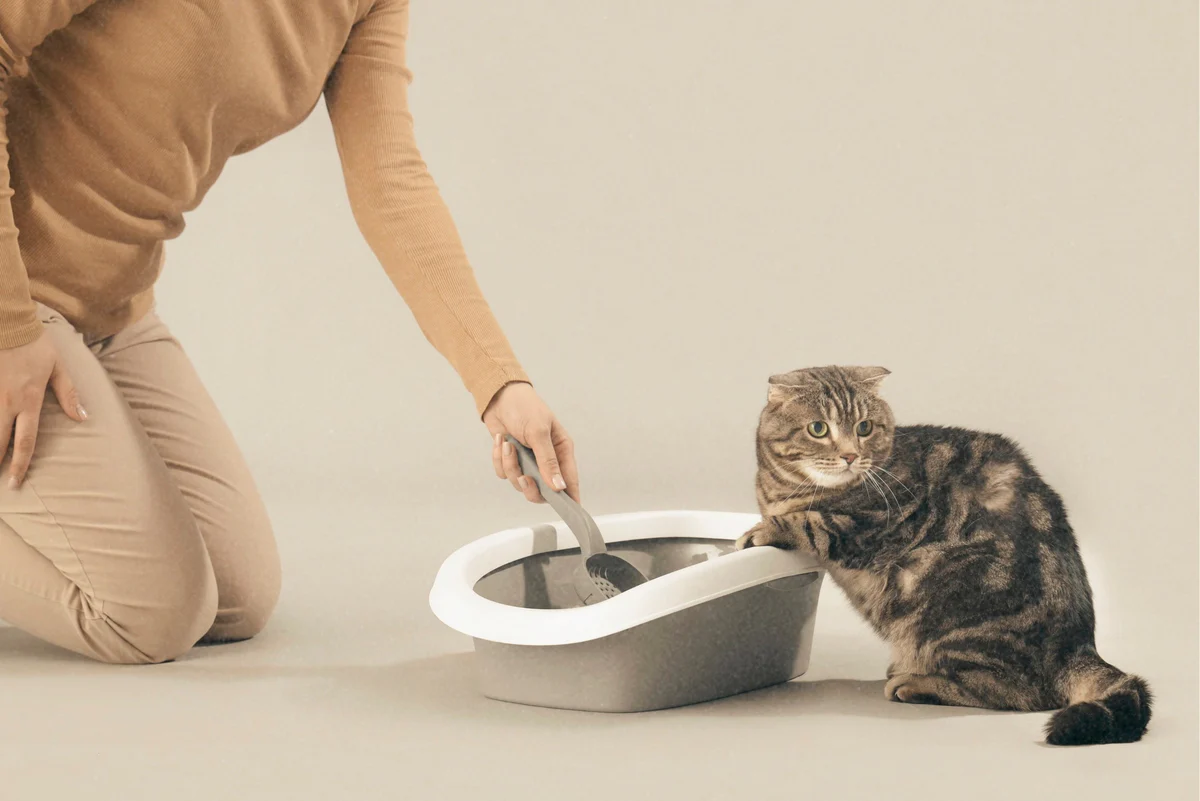
In my years of practice, I’ve also noticed that some owners make common mistakes when assessing stool size. One is comparing their cat’s stool to that of dogs or even other cats without considering age, size, or diet differences. Another is ignoring texture and frequency; a perfectly sized stool that is very soft or extremely hard can be just as concerning as one that is unusually large or small.
I generally advise cat owners to watch for patterns: a consistent stool size, firm but not hard, with a smooth surface, indicates that the digestive system is functioning well. Any sudden deviations—whether significantly larger, smaller, softer, or more frequent—warrant attention. Recording observations over a week or two often gives enough insight to discuss with a veterinarian without unnecessary panic.
Final Words
Ultimately, the size of cat poop varies widely depending on breed, diet, age, and hydration, but regular observation is key. In my practice, educating owners to recognize normal patterns and subtle changes has prevented more than one emergency visit.
Paying attention to your cat’s stool isn’t glamorous, but it’s one of the simplest ways to keep them healthy.