
What You Need to Know
As a dog trainer, I often encounter Sonic dog repellers when owners or neighbors are frustrated by persistent behavior problems.
Do they work? Sometimes, but not always as expected.
What Sonic Dog Repellers Are Supposed to Do
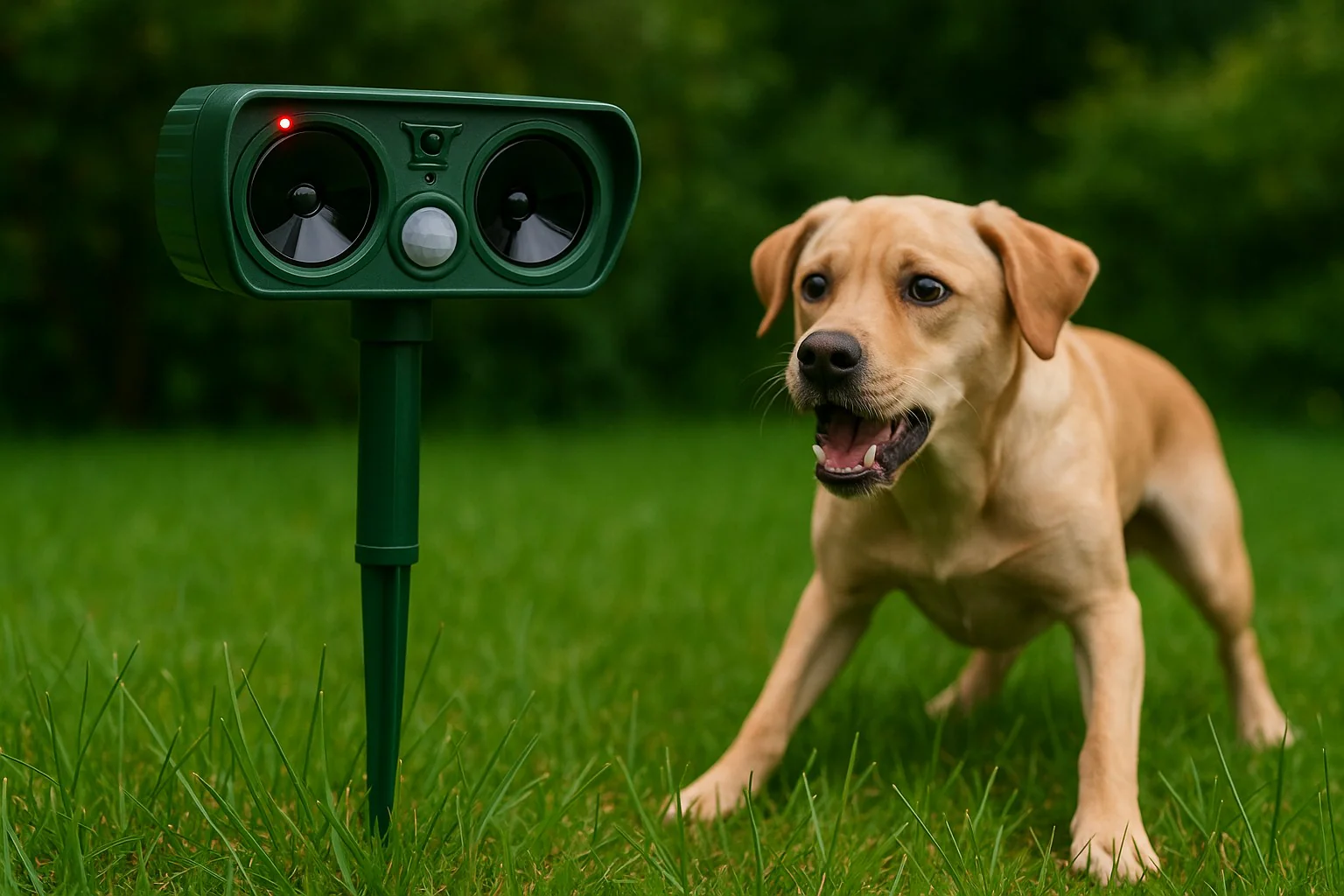
These devices emit a high-frequency sound that humans can’t hear (or barely notice), but dogs can. The idea is simple: the sound is unpleasant enough that the dog stops whatever it’s doing—barking, approaching, or acting aggressively.
On paper, it sounds like a clean solution. No yelling, no physical correction, no confrontation. But real-world behavior rarely follows neat theories.
What I’ve Seen in Practice
The first time I tested one was with a client whose neighbor’s dog was barking nonstop through a shared fence. We tried a handheld ultrasonic repeller during one of my visits. The dog did pause—briefly. It looked confused, tilted its head, and then… went right back to barking within seconds.
That pattern repeated. The device interrupted the behavior, but didn’t actually change it.
A few months later, I worked with a delivery driver who carried one to deter loose dogs on his route. In his case, the results were more mixed. He told me it worked well on timid or easily startled dogs. They’d stop approaching or back off. But confident or territorial dogs? They often ignored it completely—or worse, became more agitated.
That matches what I’ve seen personally. Dogs don’t all respond the same way to sound sensitivity. Some are highly reactive; others are almost unfazed.
Why Results Are So Inconsistent
From a behavioral standpoint, there are a few reasons sonic repellers don’t reliably solve problems.
First, they don’t address the cause of the behavior. A dog barking at a fence usually isn’t doing it randomly—it’s reacting to stimuli, guarding territory, or releasing pent-up energy. A noise might interrupt that moment, but it doesn’t change the underlying habit.
Second, dogs can habituate. I’ve seen this happen with bark-control devices left in yards. The dog reacts strongly on the first day or two, then gradually learns the sound isn’t a real threat. After that, the barking resumes like nothing ever changed.
Third, timing matters more than people think. Effective behavior correction depends on precise timing—rewarding or interrupting at the exact moment. Most people using a handheld repeller don’t have that level of timing, especially in stressful situations.
A Situation Where It Did Help
I’ll be fair—there was one case where a sonic repeller actually made a noticeable difference.
A client had a small dog that would bolt toward the gate and bark aggressively at passersby. We used the device alongside structured training—leash control, redirection, and rewarding calm behavior. The sound wasn’t the solution, but it helped interrupt the dog long enough for the owner to step in and guide a better response.
That’s the key difference. It worked as a tool within a broader training plan—not as a standalone fix.
Common Mistakes I See
People often expect these devices to be a “set it and forget it” solution. That’s where things go wrong.
One mistake is relying on the device without any training. If the dog doesn’t understand what you want, then, instead of barking, temporarily stopping the behavior doesn’t help in the long run.
Another issue is overuse. I’ve seen owners repeatedly trigger the device in frustration, which can lead to confusion or anxiety in the dog. In some cases, it even makes reactive dogs more unpredictable.
And then there’s the assumption that all dogs hear and react the same way. They don’t. Age, breed, temperament, and even hearing sensitivity play a role.
My Professional Opinion
If someone asked me whether to buy a sonic dog repeller, I wouldn’t flat-out say no—but I’d manage expectations.
I see them as situational tools, not solutions. They can interrupt behavior in the moment, especially with sensitive dogs. They might give you a brief window to regain control. But they won’t fix barking, aggression, or anxiety on their own.
If you’re dealing with a persistent issue—like nonstop barking or reactive behavior—you’re far better off investing time in training, environmental changes, and understanding why the dog is behaving that way.
In my experience, the owners who get lasting results are the ones who stop looking for quick fixes and start working on their dog’s behavior rather than trying to override it.
Sonic repellers are just one small part of a bigger training picture.