
Practical Guidance for Concerned Pet Owners
Many dog owners want to provide the highest-quality nutrition possible, especially when brands market themselves as natural, raw, or minimally processed. Foods like Stella & Chewy’s often appeal to people seeking a diet that feels closer to what dogs might eat in the wild.
Attractive packaging and ingredients don’t guarantee safety. Owners want to know: Is this food safe? Are there hidden risks? Who should avoid it? What is the responsible way to feed it?
Understanding how this type of dog food works — and where problems can occur — helps owners make decisions based on evidence rather than assumptions.
What Stella & Chewy’s Dog Food Is Designed to Provide
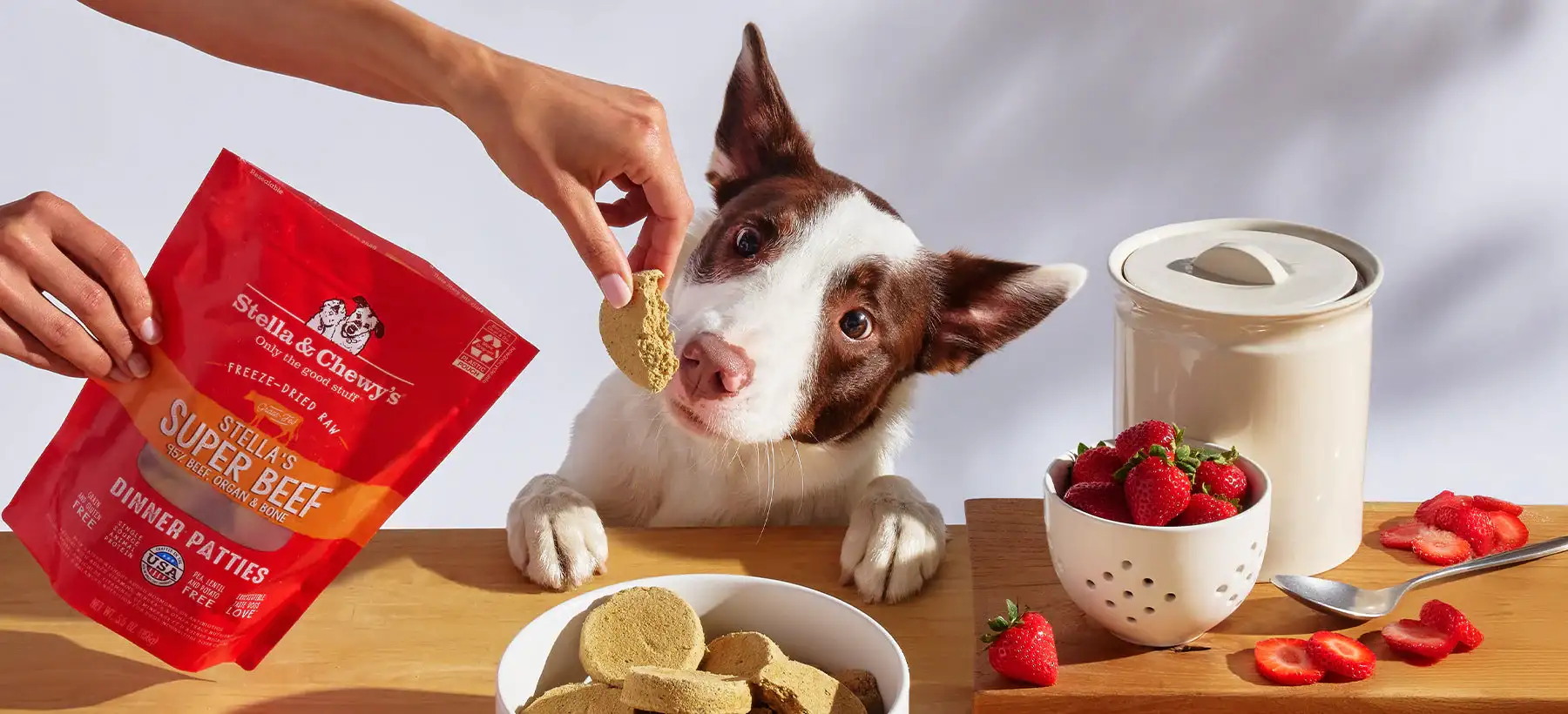
Stella & Chewy’s is best known for raw and freeze-dried raw diets. These products aim to preserve nutrients by avoiding high-heat processing. Many formulas include:
- Raw or freeze-dried meat
- Organs and bone content
- Limited fillers or grains
- Added vitamins and minerals
The nutritional idea is simple: minimal processing may help retain natural nutrients and support digestion, skin health, and energy levels.
Some products are also formulated to meet standards established by the Association of American Feed Control Officials (AAFCO), which helps ensure balanced nutrition for specific life stages.
Meeting nutritional standards is key, but microbial safety is a separate issue that often causes confusion.
Is It Safe for Dogs?
For healthy adult dogs, Stella & Chewy’s can be safe if handled correctly and if the dog does well on raw food. Freeze-drying slows bacteria’s growth but does not sterilize.
Pathogens like Salmonella and Listeria may still be present and can affect both pets and humans.
Food safety concerns are the primary reason veterinary professionals approach raw diets cautiously. Even when dogs show no symptoms, they can shed bacteria in their saliva or stool, increasing people in the household’s exposure risk.
Regulatory monitoring exists. The U.S. Food and Drug Administration (FDA) periodically tests pet foods and has issued recalls across multiple brands over the years — including raw products — when contamination is detected.
A product can meet nutritional standards yet still pose a microbial risk. Both factors must be considered together.
Why Raw Diets Carry a Higher Risk
The risk comes from basic microbiology, not just brand quality.
Cooking food to high temperatures kills harmful bacteria. Raw diets skip this step to preserve nutrients. Freeze-drying removes moisture but does not reliably eliminate pathogens.
Cause-and-effect is straightforward:
- Raw animal products naturally contain bacteria.
- Without heat treatment, some bacteria survive processing.
- Dogs may ingest or shed those bacteria.
- Illness can occur in pets — or in humans who handle the food.
Healthy adult dogs often tolerate low bacterial exposure better than vulnerable populations. But tolerance is not immunity, and illness can still occur.
Dogs That May Face Greater Risk
Some dogs are more likely to experience complications from raw diets:
- Puppies with developing immune systems
- Senior dogs
- Dogs with chronic illness
- Dogs taking immune-suppressing medications
- Dogs with digestive sensitivity
These animals may not respond well to bacterial exposure or dietary richness.
In such cases, cooked or gently processed diets are typically considered safer from a medical standpoint.
Human Safety Often Gets Overlooked
A common misunderstanding is that raw diets are only a pet health issue. In reality, they can affect people as well.
Higher-risk human groups include:
- Young children
- Older adults
- Pregnant individuals
- Anyone with weakened immunity
Cross-contamination can occur through kitchen surfaces, food bowls, or contact with a dog’s saliva or stool.
Good hygiene—proper storage, handwashing, cleaning—reduces risk, but doesn’t remove it.
Common Mistakes Owners Make
Many safety problems stem from handling and feeding practices rather than the food itself.
Frequent errors include:
- Treating freeze-dried raw food as completely bacteria-free
- Failing to refrigerate or store properly after opening
- Mixing raw and cooked foods without hygiene precautions
- Feeding raw diets to medically fragile dogs without veterinary guidance
- Switching foods abruptly, causing digestive upset
These mistakes increase the likelihood of illness or nutritional imbalance.
Myths That Influence Feeding Decisions
Several widely held beliefs shape how owners view raw diets.
Myth: Raw food is always more natural, so it must be safer.
Natural feeding patterns do not eliminate disease risk. Wild animals frequently experience foodborne illness and parasites.
Myth: If a dog looks healthy, the diet is safe.
Dogs can carry harmful bacteria without visible symptoms.
Myth: Premium brands eliminate contamination risk.
Higher ingredient quality does not remove microbial risk inherent to raw processing.
Myth: Freeze-drying sterilizes food.
It reduces moisture, not bacteria.
Understanding these misconceptions helps owners evaluate marketing claims more realistically.
What Responsible Feeding Looks Like
For owners who choose Stella & Chewy’s, risk can be reduced through careful management.
Safer practices include:
- Selecting formulas that meet recognized nutritional standards
- Transitioning gradually to avoid digestive upset
- Using strict food-handling hygiene
- Monitoring stool quality and overall health
- Avoiding raw diets for vulnerable pets or households
- Seeking professional guidance if health concerns exist
Risk reduction depends heavily on consistent handling habits.
The Most Balanced Perspective
Stella & Chewy’s is not inherently unsafe, but it is not risk-free. Its nutritional approach appeals to many owners, and some dogs do well on it. However, raw and minimally processed diets carry predictable biological risks that cannot be fully removed by manufacturing methods alone.
The most responsible decision depends on three factors:
- The dog’s health status
- Household vulnerability to infection
- The owner’s ability to manage strict food safety practices
Clear Takeaway
Stella & Chewy’s can be an appropriate option for some healthy dogs under carefully managed conditions, but raw-based nutrition always carries greater microbial risk than fully cooked diets.
Responsible pet care means weighing nutritional goals against realistic safety concerns — for both dogs and the people who live with them — and choosing a feeding approach that prioritizes health protection alongside dietary preference.