
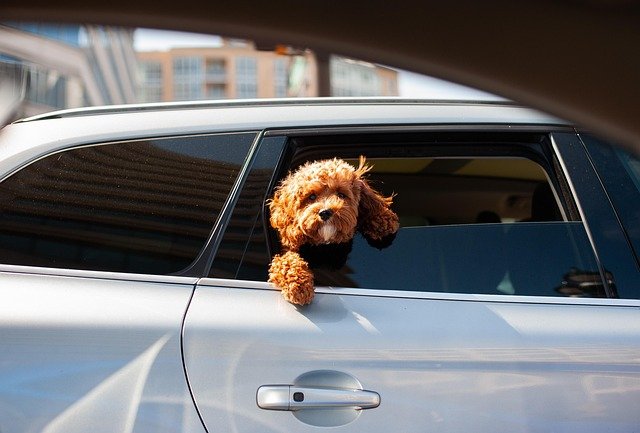
As a licensed veterinarian practicing in Texas, I’ve seen plenty of dogs in my clinic whose owners were genuinely worried about their panting during car rides. Over the years, I’ve realized that the reasons dogs pant in the car can vary widely—from simple excitement to serious medical concerns—and understanding the cause can make a real difference in their comfort and safety.
I remember a customer last spring who brought in a Golden Retriever that would pant excessively whenever they went for a drive, even with the windows cracked. At first glance, it looked like typical stress, but after a closer examination and a few questions about his routine, it turned out he had early-stage heart issues in dog. In my experience, that’s one of the situations where panting in a car isn’t just behavioral—it’s a subtle warning sign.
Heat and Temperature Sensitivity
One of the most common reasons dogs pant in cars is heat. Unlike humans, dogs don’t sweat through their skin; they primarily cool themselves by panting. Even on mild days, the interior of a car can become uncomfortably warm within minutes.
I recall taking a short drive with a client’s French Bulldog on a sunny day. Despite having the air conditioning set to low, she began panting heavily within 5 minutes. It was a stark reminder that brachycephalic breeds, such as Bulldogs and Pugs, are susceptible to heat and require constant monitoring in vehicles.
Even dogs that generally tolerate temperature changes can experience stress in confined spaces. A customer once mentioned that their Labrador would pant during long trips, and we discovered that subtle changes in air circulation—like a sunroof letting in direct sunlight—were enough to make him overheat.
Anxiety and Motion Stress
Panting can also signal anxiety or motion sickness. Dogs quickly learn to associate car rides with either fun or stress, and sometimes the ride itself becomes the stressor.
I’ve seen Border Collies panting so hard during a commute that they drooled excessively and refused to settle. In those cases, behavior modification combined with gradual exposure to short rides often helped reduce their panting over time.
A memorable case involved a small Terrier who only panted when the car moved, but settled immediately once it stopped.
After discussing the situation, we tried short, positive trips with treats and praise. Within a few weeks, the panting decreased noticeably, showing that not all panting stems from health issues—sometimes it’s purely emotional.
Medical Concerns
There are times when panting is a signal of an underlying medical problem. Respiratory issues, heart disease, or pain can manifest as heavy panting, even during a calm ride.
I had a customer whose elderly Dachshund began panting uncontrollably during trips to the vet. It wasn’t anxiety—he was experiencing early signs of congestive heart failure. Recognizing these patterns early can prevent serious complications, so paying attention to the context of panting is crucial.
Practical Steps I Recommend
From my experience, the approach depends on the situation. For heat-related panting, ensuring proper ventilation, parking in the shade, and limiting time in the car are essential.
For anxiety, short practice drives, positive reinforcement, and, in some cases, consulting a veterinary behaviorist can help. And for any sudden or severe panting, it’s always best to have a veterinarian assess the dog to rule out medical issues.
I’ve also found that simple adjustments—like a cooling mat or a familiar blanket—can make a noticeable difference for anxious or heat-sensitive dogs. Observing patterns, such as whether panting starts immediately upon entering the car or after a certain distance, often provides the clearest clues about the underlying cause.
Over my years in practice, I’ve seen that understanding why a dog pants in the car is rarely one-size-fits-all. It often requires careful observation, a consideration of health of a dog and environment, and sometimes patience to see what works best for each dog. Listening to these subtle signals can protect your pet from discomfort and, in some cases, serious health issues.
