
Insights from a Texas Veterinarian
Many dog owners expect car rides to be simple: open the door, invite the dog in, and drive. Instead, they are met with whining, barking, pacing, or persistent crying. The sound can be distressing and distracting, especially if the dog appears frightened or uncomfortable.
Crying in the car is rarely random. It usually signals discomfort, anxiety, nausea, confusion, or learned behavior. Understanding the cause helps owners make safer, more responsible decisions—both for the dog’s wellbeing and for road safety.
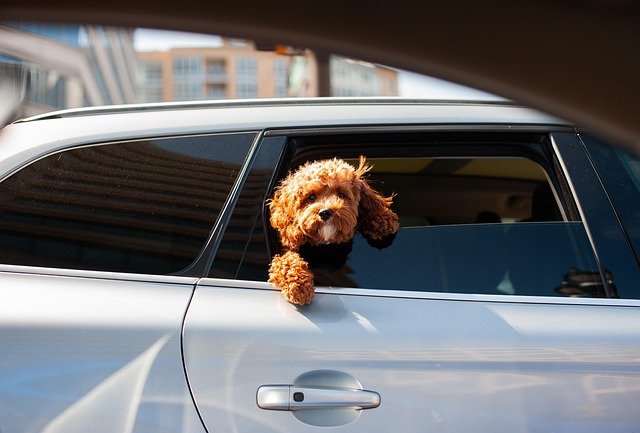
Is Crying in the Car a Safety Concern?
It can be.
A crying dog is often a moving dog. Pacing, climbing into the front seat, or attempting to escape restraint increases the risk of driver distraction. Even brief distractions significantly raise the chance of accidents.
There are also physical risks:
-
An unrestrained dog can be seriously injured during sudden braking.
-
A stressed dog may overheat faster, especially in warm weather.
-
A nauseated dog may vomit and aspirate if positioned improperly.
Crying itself is not dangerous. The underlying cause and the dog’s behavior during the episode determine the risk level.
Motion Sickness
One of the most common reasons dogs cry in the car is motion sickness.
Young dogs are especially prone to it because the part of the inner ear that controls balance is still developing. When the body senses movement but the eyes see a confined space, nausea can occur.
Signs of motion sickness include:
-
Drooling
-
Lip licking
-
Yawning
-
Restlessness
-
Vomiting
-
Whining or crying
The crying is often a response to nausea rather than fear. Owners sometimes misinterpret it as anxiety and overlook the physical cause.
Common Mistake
Assuming the dog is “just nervous” without noticing drooling or subtle nausea signs. Repeated exposure without addressing motion sickness can worsen the dog’s aversion to car rides.
Safer Approach
Short trips, improved ventilation, avoiding heavy meals before travel, and consulting a veterinarian about anti-nausea options can significantly reduce discomfort.
Anxiety and Fear
For many dogs, the car predicts something unpleasant: veterinary visits, boarding facilities, or separation. Over time, the vehicle itself becomes a trigger.
An anxious dog may:
-
Tremble
-
Pant excessively
-
Cry continuously
-
Attempt to escape the vehicle
-
Refuse to enter the car
Crying in this case reflects emotional stress. Dogs do not cry to be dramatic; they cry because they feel unsafe or uncertain.
Why Anxiety Escalates
If every car ride ends in something stressful, the association strengthens. The dog begins reacting before the car even moves.
Common Mistake
Scolding or punishing the dog for vocalizing. This increases fear and can damage trust. Anxiety-related crying cannot be corrected through discipline.
Safer Approach
Gradual desensitization works best. Sitting in the parked car without driving, rewarding calm behavior, and slowly increasing ride duration can help the dog build neutral or positive associations.
Physical Discomfort or Pain
Not all crying is emotional.
Older dogs, or those with joint problems, may find car rides physically uncomfortable. Jumping into a vehicle can strain hips or knees. Hard seating surfaces can worsen arthritis pain.
Signs that pain may be involved:
-
Difficulty getting in or out
-
Stiffness after rides
-
Crying when changing positions
-
Reluctance to sit or lie down
In these cases, the crying reflects physical discomfort rather than fear.
Common Mistake
Assuming age-related crying is simply behavioral. Pain is often subtle and easily overlooked.
Safer Approach
Using ramps, supportive bedding, and secure harness systems can reduce strain. Veterinary evaluation may be necessary if discomfort persists.
Overstimulation
Some dogs cry because they are overly excited.
Cars introduce rapid sensory changes—new smells, moving scenery, engine noise, wind, and unfamiliar environments. Highly alert or energetic breeds may vocalize from excitement rather than distress.
Excited crying usually appears alongside:
-
Wagging
-
Rapid movement
-
Alert posture
-
Barking at passing objects
While this type of crying may not signal suffering, it can still be unsafe if the dog becomes physically disruptive.
Common Mistake
Encouraging excitement unintentionally, such as speaking in a high-pitched voice or allowing the dog to roam freely in the vehicle.
Safer Approach
Calm departures, consistent seating positions, and secure restraints help reduce stimulation and promote safer behavior.
Learned Behavior
Dogs learn quickly which behaviors get attention.
If crying leads to petting, verbal reassurance, or being moved to the front seat, the behavior may be reinforced. Over time, even mild discomfort can evolve into habitual crying because it produces a predictable response.
This does not mean the dog is manipulating the owner. It means the behavior has been rewarded.
Common Mistake
Providing intense attention every time the dog vocalizes.
Safer Approach
Reward calm behavior instead. Attention and treats should follow quiet, settled moments—not the crying itself.
Heat and Environmental Stress
Vehicle interiors heat rapidly, even on mild days. Dogs are more sensitive to temperature shifts than humans. Crying may be an early warning sign of overheating or poor airflow.
Other environmental triggers include:
-
Strong air fresheners
-
Loud music
-
Slippery seating surfaces
-
Sudden braking or sharp turns
Common Mistake
Underestimating how quickly a car becomes uncomfortable.
Safer Approach
Ensure steady ventilation, avoid leaving dogs unattended, and secure them on non-slip surfaces.
Trauma and Past Experiences
Some dogs associate cars with past accidents, abandonment, or frightening events. Even if those experiences occurred years earlier, the memory can influence current behavior.
Trauma-based crying often appears intense and immediate, beginning as soon as the dog enters the vehicle.
In these cases, patience and gradual reconditioning are essential. For severe reactions, professional behavioral guidance may be necessary.
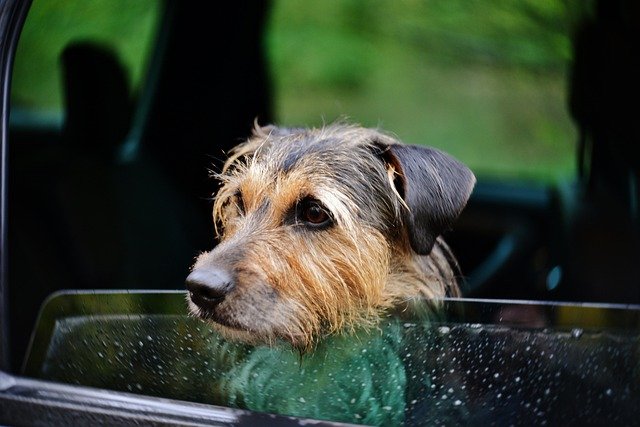
What Owners Should Not Do
Certain responses can worsen the problem:
-
Punishing or yelling at the dog
-
Forcing long rides without gradual exposure
-
Ignoring signs of nausea or pain
-
Allowing the dog to move freely in the vehicle
-
Leaving the dog unattended in the car
These actions increase risk and may strengthen negative associations.
Making Car Rides Safer
The safest approach combines observation and prevention:
-
Secure the dog with a crash-tested harness or travel crate.
-
Keep rides short while addressing the root cause.
-
Maintain comfortable temperature and airflow.
-
Avoid feeding large meals immediately before travel.
-
Monitor for signs of nausea, pain, or distress.
If crying is persistent, severe, or accompanied by vomiting, lethargy, or unusual behavior, a veterinary evaluation is warranted. Physical causes should be ruled out before assuming the issue is purely behavioral.
A Responsible Perspective
A dog crying in the car is communicating something. It may be nausea, fear, discomfort, overstimulation, or a learned response—but it is rarely meaningless.
Ignoring the behavior risks worsening stress. Punishing it risks damaging trust. Addressing it thoughtfully protects both the dog’s wellbeing and the safety of everyone in the vehicle.
With careful observation and gradual adjustments, most dogs can learn to tolerate—and sometimes even enjoy—car rides. Responsible decisions begin with recognizing that the crying has a cause and responding in a way that prioritizes comfort, safety, and long-term wellbeing.
