
What I’ve Learned After a Decade in the Pet Food Industry
I’ve worked in the pet food industry for just over ten years, mainly on the manufacturing and quality side. My job has put me in plants, on supplier calls, and in plenty of uncomfortable meetings after recalls or failed audits.
Because of that background, friends, family, and even former clients regularly ask me a version of the same question while standing in a Costco aisle: “So who actually makes this dog food?”
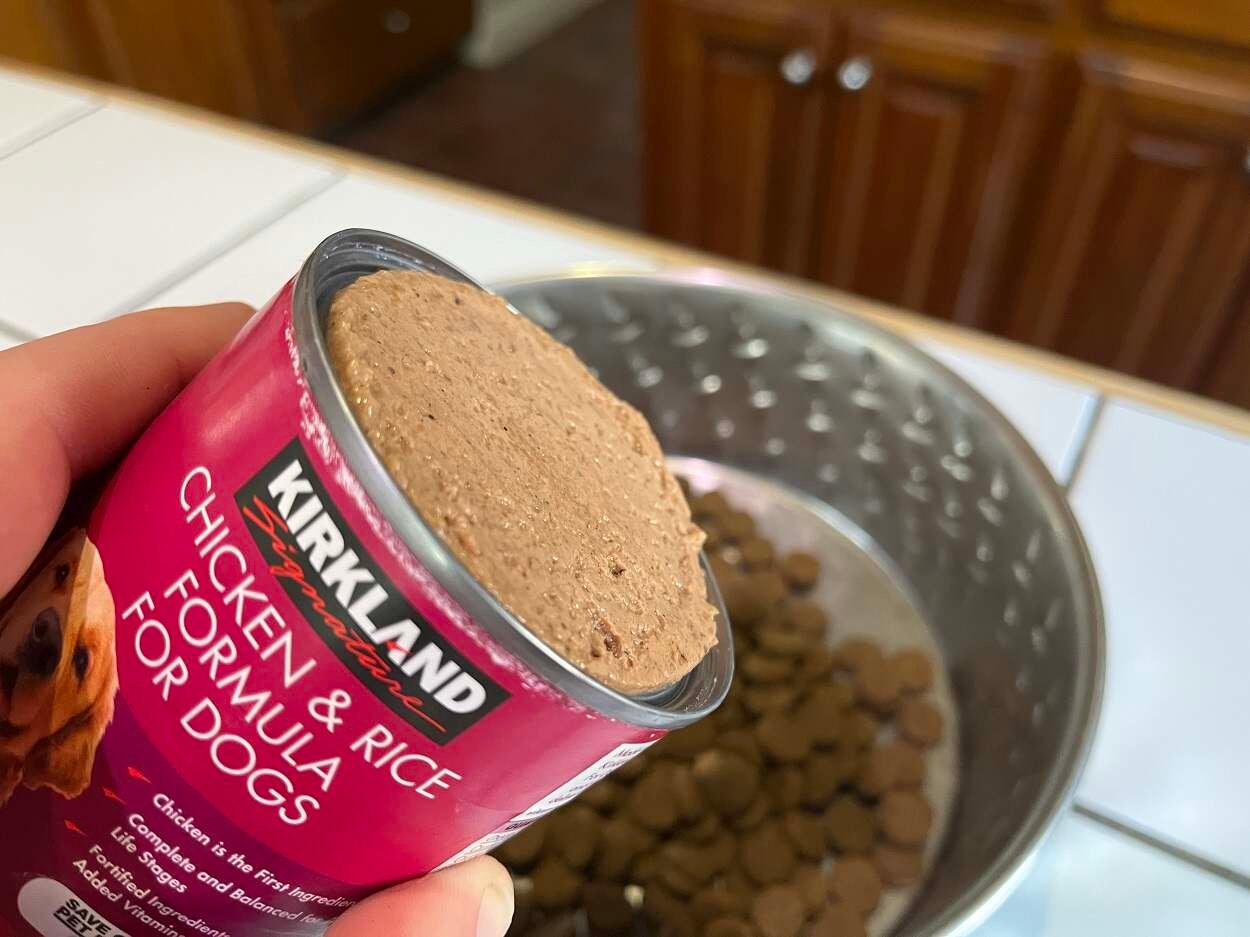
They’re talking about Kirkland Signature dog food. And the short answer is simple. The long answer is where things get interesting.
The primary manufacturer behind Kirkland dog food
Diamond Pet Foods manufactures most Kirkland Signature dry dog food in the U.S. If that name sounds familiar, it should. Diamond is one of the largest private-label pet food manufacturers in North America. They produce food not only under their own brand but also for several retailers and boutique labels.
I first encountered Diamond years ago while reviewing supplier documentation for a regional retailer. What stood out wasn’t flashy marketing but scale. Diamond operates large plants capable of producing consistent formulas in massive volumes, which is precisely what a retailer like Costco needs. Costco doesn’t want ten small batches from ten different factories. They want reliability, predictability, and leverage.
From an operational standpoint, Diamond makes sense for Costco. They have multiple manufacturing facilities across the U.S., established ingredient supply chains, and the ability to meet Costco’s strict consistency requirements.
Why Costco doesn’t run its own pet food factories
One mistake I see consumers make is assuming Costco owns or operates the factories. They don’t. Costco’s strength has always been private labeling paired with aggressive quality oversight, not manufacturing.
I sat in on a supplier review call years ago, during which a Costco representative rejected a minor ingredient sourcing change that another retailer would have approved without discussion. The formulation hadn’t changed nutritionally, but the supplier of a vitamin premix had. Costco pushed back hard. That experience stuck with me because it showed how much control they exert without owning the plant.
Costco sets specifications. The manufacturer executes them.
What “made by Diamond” actually means in practice.
There’s a big difference between a brand choosing formulas off a manufacturer’s shelf and a retailer commissioning its own formulas. Kirkland dog food falls firmly into the second category.
Kirkland formulas are not identical copies of Diamond Naturals or other Diamond-owned brands. They’re custom formulations developed to meet Costco’s pricing targets while adhering to specific protein, fat, and ingredient sourcing standards.
I once compared a Kirkland chicken-based formula to a similarly priced national brand during a quality review for a feed distributor. On paper, the Kirkland formula held its own. Meat meals were clearly identified, fat sources were named, and the guaranteed analysis wasn’t padded with vague ingredients. That doesn’t make it perfect, but it wasn’t corner-cutting either.
What about recalls and Diamond’s past?
That is the part people bring up quickly, and they’re right to ask.
Diamond Pet Foods has had recalls in the past, including a major salmonella-related recall over a decade ago. I was indirectly involved in the cleanup documentation for retailers affected by that incident. It was messy, expensive, and a wake-up call across the industry.
What many consumers don’t see is what happens after a recall of that magnitude. Diamond invested heavily in plant upgrades, testing protocols, and supplier verification. I’ve reviewed post-recall audit reports that were far more rigorous than what smaller manufacturers could afford.
That doesn’t mean problems can never happen again. No manufacturer can promise that. But it does mean the systems in place today are not the same ones that existed back then.
Are all Kirkland dog foods made by the same company?
Mostly, but not always.
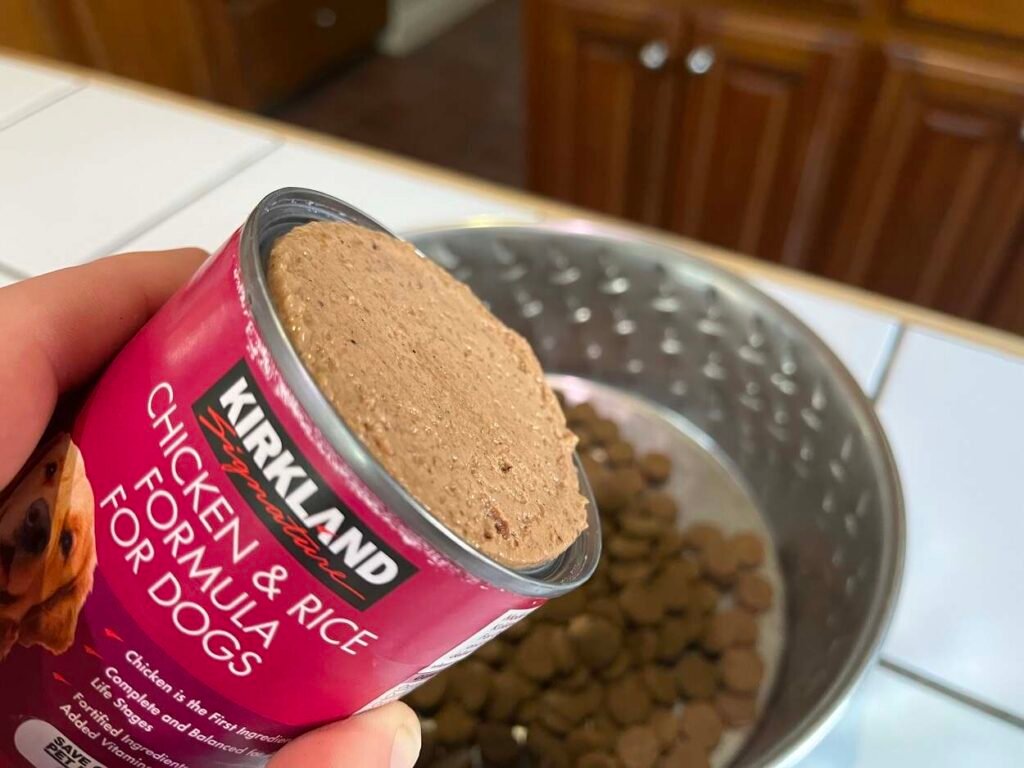
Diamond essentially produces dry kibble in the U.S. Some wet foods and international formulas may be made by different manufacturers, depending on regional regulations and sourcing. Costco operates globally, and pet food regulations vary widely by country.
I learned this the hard way while consulting for a distributor who assumed all Kirkland products came from the same supplier. They didn’t, and that assumption caused a compliance issue during an import review. The label looked familiar, but the manufacturing origin was different.
So if you’re buying Kirkland dog food outside the U.S., the manufacturer may not be Diamond, even though the branding looks identical.
How Kirkland dog food compares in real-world feeding
Over the years, I’ve seen Kirkland dog food fed in kennels, rescues, and multi-dog households where cost and consistency matter. One rescue I worked with switched to Kirkland after rotating through three mid-priced brands that caused loose stools across their adult dogs. The switch wasn’t magical, but the digestive issues settled within weeks, and food costs dropped noticeably.
On the flip side, I’ve also seen dogs with poultry sensitivities struggle on Kirkland’s chicken-based formulas. That’s not unique to Kirkland, but it’s a reminder that manufacturer quality doesn’t override individual dog needs.
Common misconceptions I hear from shoppers
One misconception is that private-label automatically means lower quality. In manufacturing, that’s not how it works. Private-label often means fewer marketing expenses and tighter margins, not worse ingredients.
Another is that the ingredient list tells the whole story. I’ve toured plants where two foods had nearly identical labels but very different quality control practices. Ingredient sourcing, storage, and testing matter just as much as what’s printed on the bag.
Finally, some people assume Costco would tolerate sloppy production because of volume. Based on what I’ve seen, the opposite is true. High volume increases risk, so their oversight tends to be stricter, not looser.
I recommend Kirkland dog food.
I’m cautious with blanket recommendations, but I’ll be direct.
For healthy dogs without specific medical or dietary needs, Kirkland Signature dry dog food is a reasonable choice. It’s not a boutique, limited-ingredient diet, and it’s not designed for dogs with complex allergies or medical conditions. But for everyday feeding, especially in larger households, it delivers consistent nutrition at a price point that’s hard to ignore.
I’ve recommended it to friends who were overspending on premium branding while struggling to keep food consistent month to month. In those cases, stability mattered more than chasing the latest marketing trend.
What matters more than who makes it
Knowing who manufactures your dog’s food is useful, but it’s only one piece of the decision. I’ve seen excellent food fail dogs simply because it didn’t match their digestion, activity level, or health status.
Costco chose Diamond because they needed a manufacturer that could deliver scale, consistency, and compliance. Whether that food works for your dog depends on factors beyond a factory’s control.
That’s the reality I’ve seen play out repeatedly, both inside plants and at the food bowl.