
After more than a decade working as a small-animal veterinarian, I’ve been asked a surprisingly emotional question many times: “Which cat breed is the most affectionate?”
People usually ask it while sitting in the exam room, holding a shy kitten or remembering a beloved cat they lost years earlier. They’re not just looking for a pet. They want a companion that greets them at the door, curls up beside them on the couch, and genuinely seems to enjoy human company.
From what I’ve seen in clinics, homes, and rescue partnerships over the years, a few breeds consistently stand out for their affectionate nature. But there’s also an important reality that often surprises people: personality is shaped as much by early experiences and handling as it is by breed.
Still, if someone asked me to recommend breeds that tend to be the most loving toward people, I’d start with a short list.
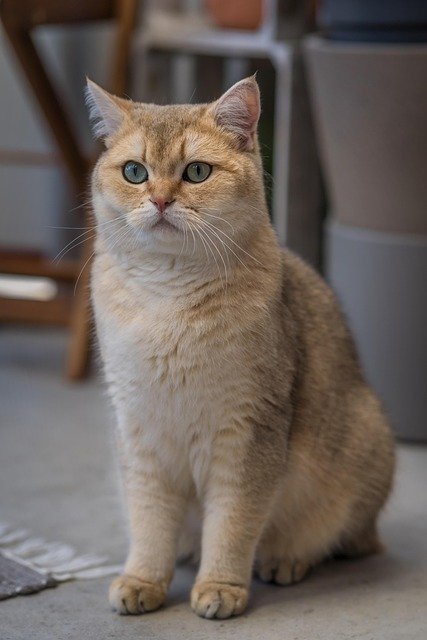
The Ragdoll: The Cat That Acts Like a Dog
If you walked into my clinic on a typical afternoon and saw a giant fluffy cat calmly draped across its owner’s shoulder, chances are it was a Ragdoll.
Ragdolls are known for their calm, people-focused personalities. Unlike breeds that can be more aloof, many Ragdolls will follow their owners from room to room, happily flop onto their backs for belly rubs, and actively seek physical closeness. While not every individual guarantees this behavior, these affectionate traits are significantly more common in Ragdolls than in many other breeds.
Last spring, a patient illustrated this perfectly. The owner brought in a large Ragdoll, worried about its appetite. As we talked, the cat stretched out on the exam table, rolled onto his back, and leaned into handling during the exam.
That kind of temperament isn’t unusual for Ragdolls. Many owners tell me their cats greet them at the door, ride around on their shoulders, or sleep beside them every night.
In my experience, they’re one of the closest things you’ll find to a “lap cat by default.”
Maine Coon: Gentle, Social, and Surprisingly Attached
Another breed people often underestimate in the affection department is the Maine Coon.
Because they’re large and rugged-looking, some assume Maine Coons are independent outdoor cats. In contrast to their appearance, however, the Maine Coons I treat are generally quite social with their families—often more social than some smaller or more delicate breeds known for independence. Their gentle nature and willingness to be near people set them apart from breeds that prefer more solitude.
A Maine Coon once came in for vaccines riding on a child’s shoulder. The owner explained that the cat always wanted to perch on someone’s shoulder, not just that day.
Maine Coons form strong bonds with their households. They may not demand constant cuddling, but like to be involved in their humans’ activities, often sitting nearby during work, meals, or television.
They strike a balance: affectionate without being overwhelming. This suits people who want a friendly companion, but don’t want the constant attention-seeking that Siamese or Burmese cats may display.
Siamese: Intense Affection and Constant Communication
The Siamese breed often sparks strong opinions among cat owners. People either adore them or feel overwhelmed by them.
That’s because Siamese cats don’t just show affection quietly—they announce it.
They talk constantly, follow their owners everywhere, and often insist on being physically close. I’ve met many Siamese that act almost like toddlers, demanding attention.
I recall a Siamese whose owner was concerned about nonstop meowing. The cat, left alone for long shifts, simply craved company.
Once the owner adopted a second cat and added more daily playtime, the “behavior problem” disappeared.
That experience reinforced something I tell clients frequently: Siamese cats can be incredibly affectionate, but they need engagement. Without it, their intelligence and attachment can turn into frustration.
Burmese: One of the Most People-Oriented Cats I’ve Seen
If someone specifically wants a cat that craves human attention, Burmese cats are hard to beat.
They’re incredibly people-focused and form deep bonds with owners. I’ve seen Burmese cats climb into their owner’s arms the moment the carrier opens in the exam room.
One client called her Burmese “a warm, purring shadow”—fitting, since the cat pressed against her chest through the exam.
Burmese cats generally dislike being ignored. They want interaction, affection, and participation in everyday life.
For households seeking a strong bond, Burmese cats are excellent. They generally offer even more overt affection than Maine Coons and Ragdolls, often choosing proximity and contact over independence. For owners who prefer a less intense relationship, a breed like the Maine Coon might be a better fit.
The Mistake Many People Make When Choosing an Affectionate Cat
After years in practice, I’ve noticed a common mistake: people focus entirely on breed and overlook early socialization.
A cat handled gently as a kitten, exposed to people, and raised in a stable environment often grows into a far more affectionate adult than a poorly socialized purebred.
I’ve seen mixed-breed shelter cats become unbelievably loving companions simply because they were raised in nurturing environments.
Conversely, I’ve met purebred cats from excellent bloodlines that remained distant because of limited early human contact.
Breed plays a role in temperament, but a cat’s experiences and environment ultimately determine how affectionate it will be. This is the critical factor every prospective cat owner should keep in mind.
What Truly Makes a Cat Affectionate
From my perspective as a veterinarian, affection in cats usually comes down to a few factors working together:
Early human interaction during kittenhood
Consistent gentle handling throughout life
A calm household environment
Adequate play and stimulation
Matching the breed’s personality to the owner’s lifestyle
When a cat receives proper socialization, patient handling, and a lifestyle that matches its needs, it often develops deep affection for its human family—regardless of breed. That is the most important takeaway for anyone seeking a loving cat.
My Honest Recommendation to Future Cat Owners
If a client asks me which breed to choose for affection, I usually suggest starting with Ragdolls, Burmese, or Maine Coons. Ragdolls tend to be physically affectionate, Burmese offer constant attention, and Maine Coons balance social interaction with some independence. All three consistently exhibit people-oriented personalities, but their styles of affection differ distinctly.
But I also encourage them to meet the individual cat before making a decision.
A calm shelter cat that walks up, rubs against your leg, and curls into your lap might become a far more affectionate companion than a purebred kitten chosen only for its pedigree.
Some of the most loving cats I’ve encountered in exam rooms weren’t famous breeds at all. They were ordinary house cats that simply loved their people.
And honestly, those are often the cats that surprise their owners the most.