
As a licensed veterinarian practicing in Texas for over a decade, I’ve spent countless hours examining feline mouths. Cat teeth may seem small and delicate, but they are marvels of evolution, perfectly adapted for a carnivorous lifestyle. Understanding what they look like can help cat owners identify potential dental issues early and provide better care.
The Structure of Cat Teeth
When I first started my practice, I remember a young Siamese cat brought in for a routine check-up. As I carefully examined her mouth, I was struck by the precision of her teeth.
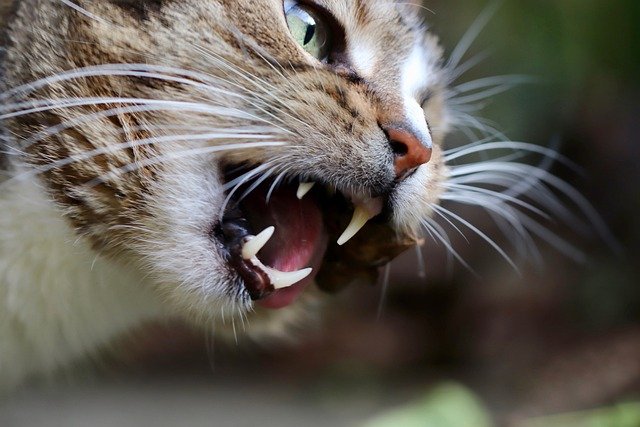
Cats have 30 permanent teeth—16 on the top and 14 on the bottom. Their incisors, the tiny front teeth, are small and pointed, used mainly for grooming and nibbling soft foods. Behind them, the canines stand out—they are long, sharp, and slightly curved, designed to puncture and hold prey.
The premolars and molars toward the back are not flat like ours. Instead, they have sharp edges that function like scissors, ideal for shearing meat into swallowable pieces. In my experience, many pet owners assume cats chew like dogs, but their molars are specialized for slicing, not grinding. I once had a client whose older cat was reluctant to eat dry kibble.
Upon examining her teeth, I noticed worn molars and tartar buildup, which made chewing painful—a problem that went unnoticed at home because the cat still ate soft food happily.
Common Variations and Signs to Watch For
I’ve observed that cat teeth can vary slightly between breeds and individuals. For instance, Persian cats often have crowded teeth due to their flat faces, while Maine Coons tend to have slightly larger, more spaced teeth. But regardless of breed, a healthy cat’s teeth are pearly white with firm, pink gums. Discoloration, redness, or swelling can indicate gingivitis or early-stage periodontal disease.
One memorable case involved a domestic shorthair who was suddenly pawing at his mouth. At first, the owners didn’t realize the issue was dental. When I examined him, I saw a fractured canine—a fairly common occurrence when cats chew on hard objects or accidentally injure themselves during play.
The tooth was sharp-edged but had a small chip, which, if left untreated, could have led to infection. This reinforced to me how crucial regular dental checks are, even if a cat seems healthy.
Dental Health Beyond the Teeth
It’s not just about what the teeth look like; their condition reflects overall health. In my clinic, I often find cats with tartar buildup or inflamed gums, which can affect appetite and behavior.
I remember a client last spring who complained that their cat had become unusually withdrawn. A dental exam revealed severe gingivitis and plaque accumulation. After a professional cleaning and proper at-home care, the cat’s behavior improved noticeably.
Cats are notorious for hiding discomfort. Unlike dogs, they rarely whine or show obvious signs of dental pain. Observing subtle cues—such as drooling, difficulty eating, or pawing at the mouth—can make a big difference. I’ve also learned to recommend chew toys or dental treats carefully. Not every hard toy is suitable; some can fracture teeth. I often suggest softer rubber toys designed for felines, which help reduce plaque without risking damage.
Practical Advice for Cat Owners
From my years of veterinary practice, I’ve found a few practical tips that help keep cat teeth healthy. First, get comfortable looking inside your cat’s mouth at home. Use a calm approach, gently lifting the lips to check the canines and molars. You don’t need to inspect every tooth, but familiarizing yourself with the normal appearance makes changes easier to notice.
Second, schedule routine dental checkups. Even healthy-looking teeth can harbor tartar or early decay. I once treated a six-year-old cat with gleaming teeth that masked underlying gingivitis—something that would have worsened without professional intervention.
Lastly, focus on diet and enrichment. Wet food can help reduce plaque buildup compared to dry kibble alone, and chew-friendly treats or toys support dental health. I’ve seen cats respond well to a combination of proper diet and periodic dental care, maintaining strong, sharp teeth well into their senior years.
Conclusion
In my experience, cat teeth are small but powerful tools designed for survival, grooming, and play. Their sharp canines, precise incisors, and slicing molars are unlike any human teeth, reflecting a unique adaptation for a carnivorous lifestyle.
By observing them, recognizing potential problems early, and combining professional care with at-home attention, you can keep your cat healthy and comfortable. I’ve seen firsthand how a little vigilance with dental health translates into happier, more energetic cats, and that’s always worth the effort.