
Ear scratching is a common behavior in cats, and many owners notice it at some point. While occasional scratching is normal, frequent or intense scratching can signal a problem. Cats use their paws to relieve discomfort, irritation, or even boredom. The ear is a sensitive area, so small issues can quickly become noticeable. Understanding the cause helps you respond appropriately.
Common Reasons Cats Scratch Their Ears
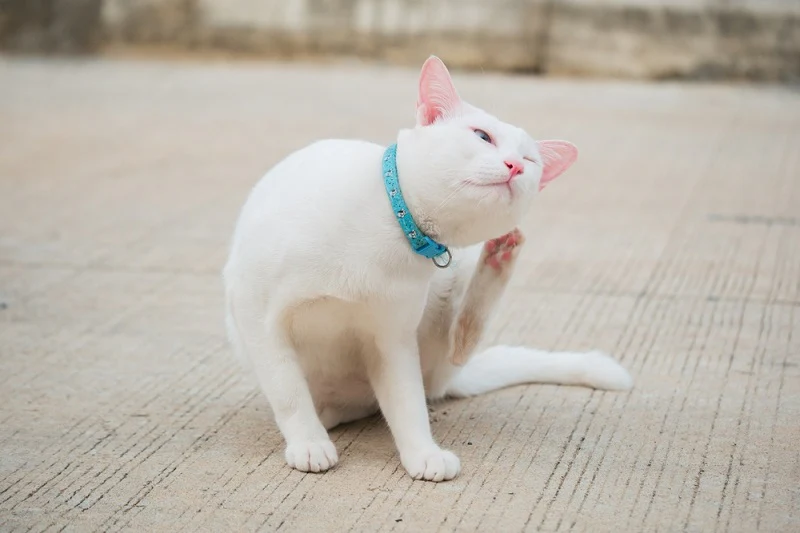
Cats scratch their ears for many everyday reasons. For example, sometimes ear scratching is simply part of grooming, as they use their paws to clean hard-to-reach areas. A few scratches a day is normal behavior.
However, irritation is a major cause. Dust, pollen, or small debris can enter the ear. This leads to itching and discomfort. The cat scratches to relieve the feeling.
Earwax buildup can also cause problems. When wax accumulates, it can create pressure and irritation in the ear canal. Cats try to remove it by scratching. This may temporarily worsen the condition.
Behavioral habits are another factor. Sometimes stress or anxiety leads to repetitive grooming behaviors, including ear scratching. Changes in the home environment may trigger this behavior.
In many cases, scratching becomes frequent when there is an underlying medical issue. Therefore, identifying the exact cause requires careful observation. Even small changes in behavior can provide useful clues.
Medical Causes Behind Ear Scratching
Medical issues are among the most common reasons for persistent ear scratching. Ear infections caused by bacteria or yeast can lead to strong itching. These infections often produce redness and odor in the ear.
Another frequent medical cause is parasites. Ear mites are tiny organisms that live in the ear canal. They cause intense itching and irritation, and in response, cats may shake their heads or scratch constantly.
Many owners look for reliable information, such as why is my cat scratching her ear, to understand how infections, mites, and other ear conditions develop and how they can affect a cat’s comfort and health over time.
Similarly, allergies can also lead to ear problems. Food allergies or environmental triggers may cause inflammation, making the ears itchy and sensitive. Accordingly, scratching becomes a response to this discomfort.
Foreign objects, such as grass seeds, can sometimes enter the ear. These cause sudden irritation. The cat may respond aggressively. This situation often needs veterinary care.
In more severe cases, growths or polyps inside the ear may cause irritation. These are less common but should not be ignored. They can block the ear canal, leading to chronic scratching.
Signs That Ear Scratching Is a Problem
Not all scratching is harmful, but certain signs suggest a deeper issue. For example, frequent scratching throughout the day can be a warning sign. If it continues for several days, it should be checked. Persistent behavior is important to monitor.
Head shaking is another clear warning. To relieve pressure or irritation, cats may shake their heads, often in combination with scratching. The two behaviors usually appear together.
Furthermore, discharge or bad smell from the ear is a strong indicator of infection. Healthy ears should not have strong odors. Any unusual smell should be taken seriously, as it may indicate bacteria or yeast growth.
Redness and swelling are also concerning and often point to inflammation. Inflamed ears are painful and sensitive, so cats may avoid touch or show discomfort when handled. This suggests a medical problem.
In addition, loss of balance or unusual walking patterns can indicate deeper ear issues. The inner ear affects balance, so any change in movement should be checked quickly. Early action helps prevent complications.
How to Care for a Cat With Ear Irritation
When caring for a cat with ear irritation, start with gentle observation. Check your cat’s ears regularly for dirt, redness, or swelling, but do not insert objects into the ear canal, as this can cause damage.
Keeping the ears clean is important, but it must be done carefully. To do this, use only vet-approved cleaning solutions and avoid using water or random household products. Safe cleaning helps prevent further irritation.
If symptoms appear, the best step is to visit a vet. A professional can identify the exact cause. Treatment may include medication or ear drops. Early care prevents worsening.
Preventive care also helps protect your cat’s ears. Regular grooming reduces dirt buildup, while keeping the environment clean reduces allergens. These small habits can make a difference over time.
Never ignore constant scratching. Even if the cat seems fine otherwise, ear issues can worsen quickly. Early attention ensures better health. A quick response is always safer.
Preventing Future Ear Problems in Cats
To prevent future problems, start with regular checks. Look at your cat’s ears once a week to help detect early signs of trouble. Early detection makes any issue easier to manage.
Diet also plays a role in prevention. A balanced diet supports a strong immune system, and healthy cats are less likely to develop infections. Good nutrition is important for overall health.
Reducing exposure to allergens can help. Keep the home dust-free. Wash bedding regularly. Clean surroundings reduce irritation risks.
Routine vet visits are also helpful. Professional checks can identify hidden issues. Some ear problems develop slowly. Regular monitoring prevents complications.
Ear scratching in cats can be normal at times, but when it becomes frequent or is paired with other symptoms, it often signals an underlying issue. Prompt attention, care, and sometimes professional treatment are needed to keep your cat comfortable and healthy.