
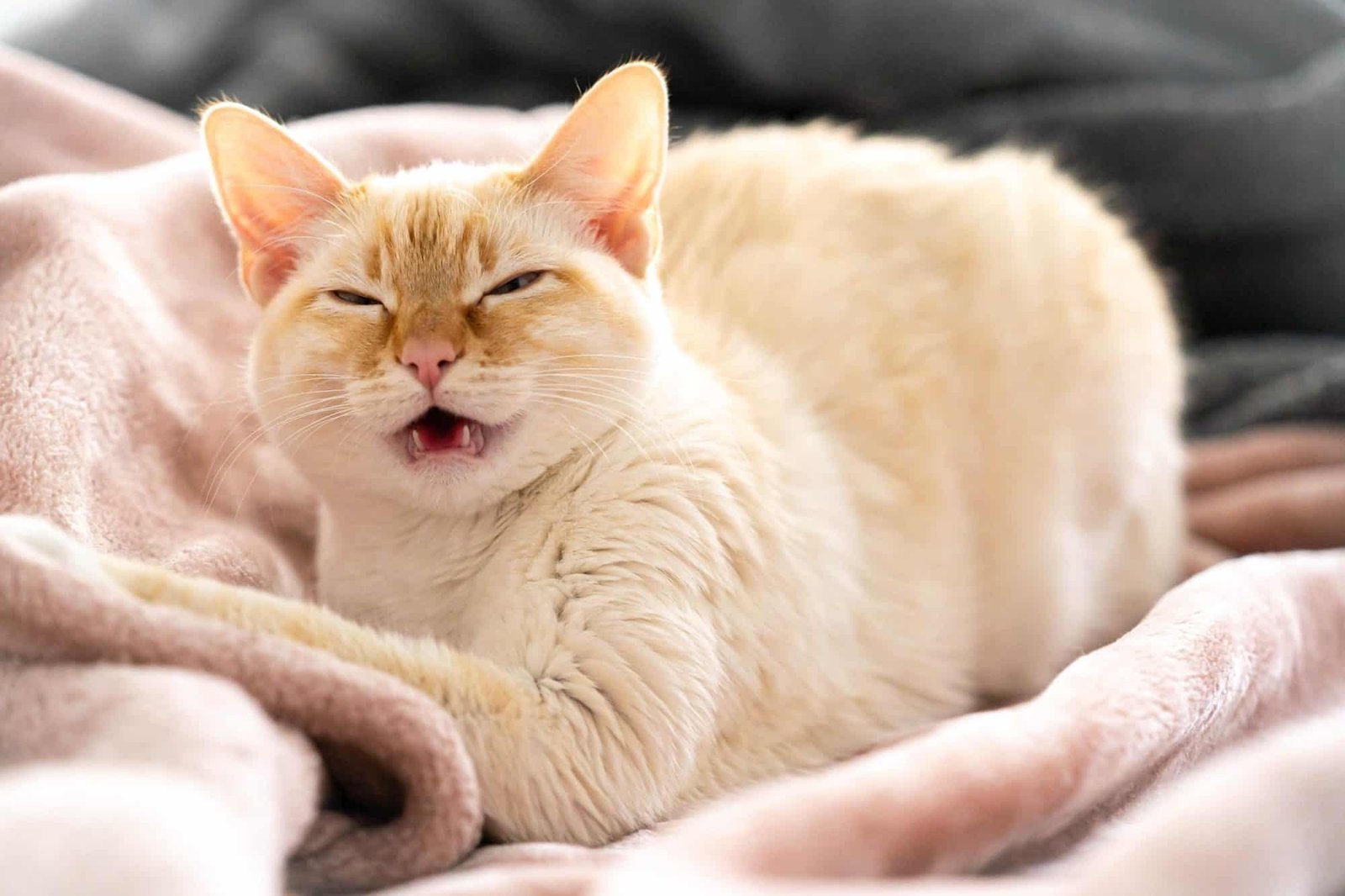
Cats sneezing can be alarming for pet owners, especially when it happens frequently. Sneezing is a common response to irritants in a cat’s nasal passages, but it can also indicate underlying health problems. Knowing the possible causes and symptoms helps owners take timely action to protect their cat’s well-being.
Observing patterns and triggers is key to understanding whether the sneezing is minor or requires veterinary attention. Cats of all ages can experience sneezing, but kittens are particularly vulnerable to respiratory infections.
Common Causes of Cat Sneezing
Several factors can trigger sneezing in cats, ranging from mild irritants to serious illnesses. Allergens like dust, pollen, or smoke can irritate a cat’s nasal passages. Household cleaning products or scented candles may also cause temporary sneezing fits. Viral infections, such as feline herpesvirus or calicivirus, are common causes in young cats. These infections often come with other symptoms, such as watery eyes, nasal discharge, and lethargy.
For more detailed information and guidance, you can visit a reliable source that addresses why cats sneeze. This resource explains the difference between occasional sneezing and signs of illness that need attention. It also provides practical tips for managing symptoms and understanding triggers. Following expert advice helps ensure your cat stays healthy and reduces stress for both you and your pet.
Environmental Irritants and Allergies
Cats are sensitive to their environment, and even small changes can cause sneezing. Dust from carpets, cat litter, or furniture can irritate their nasal passages. Strong odors from air fresheners or perfumes often trigger sudden sneezing episodes. Seasonal allergies, though less common in cats than in humans, may cause repeated sneezing. Keeping your home clean and free from excessive dust can reduce the frequency of these sneezing episodes.
Using unscented products and regularly cleaning litter boxes helps minimize nasal irritation. Vacuuming with a HEPA filter can trap dust and allergens more effectively. Some cats also react to certain plants, such as lilies, which can worsen sneezing. Observing your cat’s reactions to specific areas or substances can help identify potential triggers. Adjusting the environment is a proactive way to manage minor sneezing issues.
Health Conditions That Cause Sneezing
Persistent sneezing may indicate an underlying health problem in cats. Upper respiratory infections are the most common cause, especially in multi-cat households or shelters. Bacterial infections or tooth abscesses can also lead to sneezing and nasal discharge. Polyps or tumors in the nasal passages are rare but serious conditions that require veterinary evaluation. Regular veterinary check-ups can detect these conditions early and prevent complications.
Vaccinations and preventive care play an important role in reducing the risk of infections that trigger sneezing. Observing other symptoms, such as loss of appetite, fever, or difficulty breathing, helps distinguish minor irritants from serious illness. Early treatment often leads to quicker recovery and fewer long-term effects. Timely veterinary intervention is especially critical for kittens and older cats, who may not handle illness as well as healthy adults.
Home Care and Monitoring
Caring for a sneezing cat at home requires observation and support. Keep your cat’s area clean, comfortable, and stocked with food and water. Humidifiers can ease nasal irritation and reduce sneezing. Isolate sick cats to stop contagious illnesses from spreading. Extra attention and monitoring help you act promptly if things worsen.
Monitoring the frequency, duration, and triggers of sneezing helps determine whether professional care is necessary. Offering gentle encouragement for hydration supports the immune system. Avoid using over-the-counter human medications, which can be harmful to cats. Maintaining a record of sneezing episodes can help veterinarians diagnose the problem more accurately. Careful home management often makes a significant difference in recovery and comfort.
Understanding why cats sneeze involves recognizing both environmental triggers and potential health issues. Observing behavior, maintaining a clean environment, and seeking veterinary advice when necessary ensure your cat remains healthy. Proactive care helps prevent minor irritants from becoming serious problems. With attention and the right approach, most cats can recover quickly and enjoy a happy, comfortable life without frequent sneezing.