
Cats produce a variety of vocalizations, and chirping is among the most unusual. This short, high-pitched sound often occurs when cats are excited or focused. Noticing when your cat chirps can reveal their moods and instincts, helping strengthen your bond.
Common Reasons Cats Chirp
One of the main reasons cats chirp is excitement or anticipation. You might notice this behavior when your cat is watching birds, squirrels, or insects from a window. The sound often accompanies intense focus and tail twitching. This vocalization can also be linked to hunting instincts, as the cat mimics the noise of prey or signals eagerness. Cats may chirp when interacting with other animals or even with humans during play, showing engagement and alertness.
For more detailed explanations and tips on cat behavior, you can visit a reliable resource about why cats chirp. This guide provides helpful information on interpreting chirps, what triggers them, and how to respond to your cat’s communication. Many owners find that understanding these sounds reduces confusion and enhances interaction with their pets. Learning about chirping can also help identify potential stress or excitement in your cat. Proper observation allows you to adjust the environment to make your cat more comfortable and stimulated.
Chirping and Hunting Instincts
Chirping often appears when a cat is observing potential prey. Birds outside the window or small moving objects indoors can trigger this behavior. The sound seems to mimic or express frustration at not being able to catch the prey. Cats may also tilt their heads and make rapid jaw movements while chirping, a sign of anticipation and excitement. This behavior is normal and reflects a healthy hunting instinct, even for indoor cats.
Owners can channel this instinct through play. Toys that mimic prey, like feather wands or balls, encourage pouncing and chasing. These activities provide both mental stimulation and exercise. Chirping during play shows your cat is engaged. Regular playtime helps prevent boredom and maintains natural behaviors.
Social Communication and Interaction
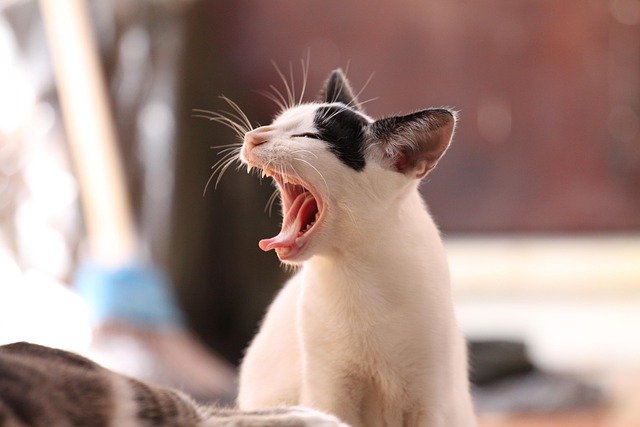
Chirping can also serve as a form of communication with other cats or humans. Some cats chirp to get attention, express excitement, or signal curiosity. Kittens may chirp to communicate with their mothers, while adult cats might use it to engage with family members. Observing the context of chirping helps owners understand the message behind the sound. Cats often combine chirps with body language, such as upright ears or tail flicks, to convey emotion effectively.
Owners should respond to chirps with gentle attention and interaction. Acknowledging your cat’s chirps with play or petting can reinforce positive communication. Avoid reacting with loud noises or sudden movements that might startle them. Cats are sensitive to tone and gestures, and gentle responses encourage more social and friendly behavior. Recognizing these cues strengthens the bond between owner and pet.
When to Be Concerned
While chirping is usually normal, excessive or unusual vocalization can sometimes indicate stress or discomfort. Persistent chirping, accompanied by signs of agitation such as flattened ears or dilated pupils, may signal anxiety or illness. Changes in chirping patterns, such as sudden high-pitched sounds or repeated noises, may warrant veterinary attention. Monitoring your cat’s overall behavior and vocalizations helps determine whether a health check is needed. Early detection can prevent more serious issues.
Environmental factors can also influence chirping. Loud noises, new animals, or unfamiliar visitors may temporarily trigger this behavior. Providing a safe space or quiet retreat helps reduce stress-related chirping. Keeping consistent routines and providing enrichment reduces unnecessary anxiety. Observing patterns over days or weeks helps distinguish normal excitement from stress signals.
Chirping is a fascinating part of a cat’s behavior that reflects curiosity, excitement, and instinct. By paying attention to context, body language, and frequency, owners can better understand their pets. Encouraging safe and interactive play channels these natural behaviors while strengthening the human-animal bond. Observing and responding thoughtfully ensures a happier, more engaged feline companion.