
Typical Behaviors in Cats Approaching Labor
As a licensed veterinarian practicing in Texas, I often see cat owners become concerned or uncertain about the changes in their cat’s behavior during the final weeks of pregnancy.
Observing these behaviors closely can help owners prepare for a safe, calm birthing experience and often prevents unnecessary stress for both the cat and the household.
Nesting Instincts
One of the first noticeable behaviors I observe in pregnant cats is nesting. In my experience, around one to two weeks before birth, many cats begin seeking quiet, secluded spots to prepare for labor. A customer last spring had a Maine Coon who started curling up in a cardboard box in a corner of the garage.
She seemed restless at first, moving the box repeatedly, arranging soft towels and blankets. This is normal; the cat is instinctively preparing a secure space for her kittens.
Some owners make the mistake of constantly disturbing the nest or moving it, thinking the cat is “confused.” I’ve found that letting a cat settle in her chosen spot, while ensuring it is safe and warm, reduces stress and can lead to smoother labor.
Appetite and Eating Patterns
Pregnant cats often experience changes in appetite as their due date approaches. In several cases, I’ve observed cats that are normally voracious eaters suddenly eating smaller amounts, skipping meals, or preferring frequent, small snacks.
For example, a client’s Siamese would nibble throughout the day but refused her regular portions in one sitting. This is usually a natural response as the body diverts energy to the developing kittens and prepares for delivery.
However, a sudden loss of appetite combined with lethargy can signal potential complications, such as toxemia or other pregnancy-related illnesses. Monitoring your cat and seeking prompt veterinary evaluation in these instances is critical.
Increased Restlessness and Vocalization
Restlessness is another hallmark of a cat nearing labor. Many pregnant cats pace, scratch at bedding, or move around the house more than usual.
I recall a situation with a domestic shorthair who spent several hours moving between the living room and bedroom, meowing softly but persistently. In her case, the behavior was entirely normal, signaling that labor would begin within 24–48 hours.
Excessive vocalization is also common, especially in first-time mothers. It often reflects discomfort or anticipation rather than distress. I’ve advised owners to create a quiet, low-traffic environment and to refrain from scolding or constantly trying to soothe the cat—too much interference can increase anxiety.
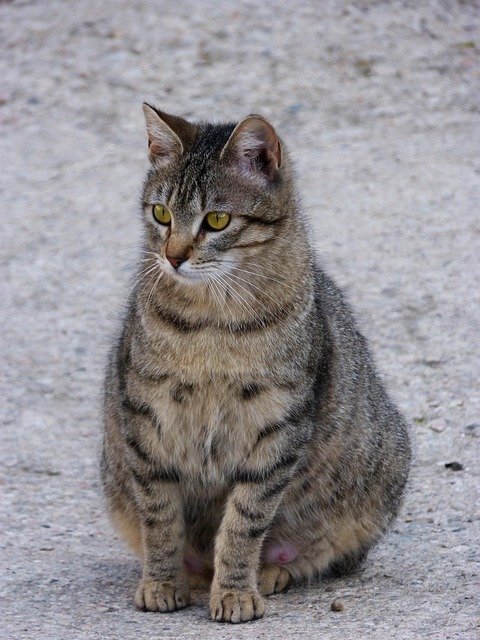
Changes in Affection and Social Interaction
Some cats become unusually affectionate, seeking constant attention and petting, while others become withdrawn. For example, a client’s Persian cat would jump onto laps at every opportunity, purring and kneading incessantly.
Conversely, a pregnant Burmese woman I treated preferred to hide in a closet for long stretches. Both behaviors are normal. Owners should respect their cat’s preference for solitude or companionship while keeping her safe and comfortable.
Monitoring for Signs of Labor
Beyond behavioral changes, subtle physical signs appear shortly before birth. The abdomen may drop slightly, mammary glands swell, and some cats may experience mild contractions hours before active labor begins. In one case, a customer noticed her cat grooming herself excessively and periodically stretching her back—classic signs that kittens were on the way.
Understanding these behaviors helps owners distinguish between normal pre-birth activity and signs that require veterinary attention, such as severe lethargy, persistent vomiting, or foul-smelling discharge.
Conclusion
Pregnant cat behavior before birth can vary widely, but common patterns include nesting, changes in appetite, restlessness, and shifts in social interaction. By observing these behaviors while providing a safe, quiet environment, owners can support their cat naturally through labor.
Recognizing normal versus concerning signs ensures both mother and kittens remain healthy, reduces stress, and encourages a smoother birthing process.