
Safety, Benefits, and Limits
Digestive problems in cats are more common than many pet owners realize. Occasional vomiting, soft stools, or irregular bowel movements are often dismissed as minor issues. Yet persistent digestive upset can affect comfort, nutrition, and long-term health. Diet is one of the most direct factors influencing how a cat’s digestive system functions, which is why many owners consider specialized formulas designed to support gastrointestinal balance.
Royal Canin Digestive Care dry cat food is one such option. Understanding how it works, what risks it addresses, and where its limits lie helps owners make safer, more informed feeding decisions.
Why digestive sensitivity develops
A cat’s digestive system is highly responsive to changes in diet, environment, and health status. Unlike humans, cats rely heavily on consistent food composition. Even small disruptions can alter intestinal function.
Common causes of digestive sensitivity include:
-
Difficulty processing certain proteins or fats
-
Imbalanced gut bacteria
-
Rapid eating or poor chewing
-
Stress that affects intestinal movement
-
Underlying medical conditions such as inflammation or parasites
When digestion is inefficient, food moves through the gastrointestinal tract either too quickly or too slowly. This imbalance leads to symptoms like loose stool, gas, regurgitation, or reduced appetite.
A food designed specifically to support digestion aims to reduce strain on the gut while promoting stable intestinal activity.
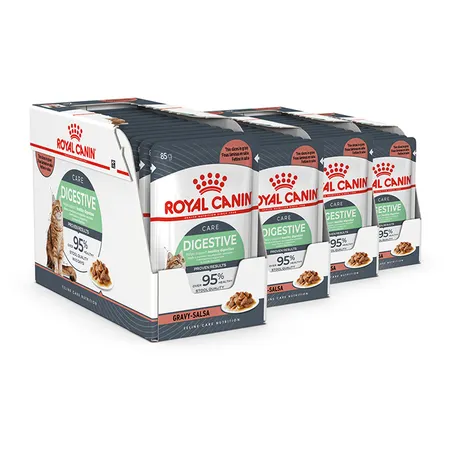
How digestive-support formulas are designed
Digestive-support diets are not simply “lighter” foods. They are structured to help the body break down nutrients efficiently and move waste at a steady pace.
Formulas such as those produced by Royal Canin typically focus on three main nutritional strategies:
Highly digestible proteins
Proteins that break down easily reduce the amount of undigested material reaching the colon. This lowers fermentation, gas production, and stool irregularity.
Balanced fiber blends
Different types of fiber help regulate intestinal movement. Some fibers support beneficial bacteria, while others help form more consistent stools.
Digestive-friendly feeding structure
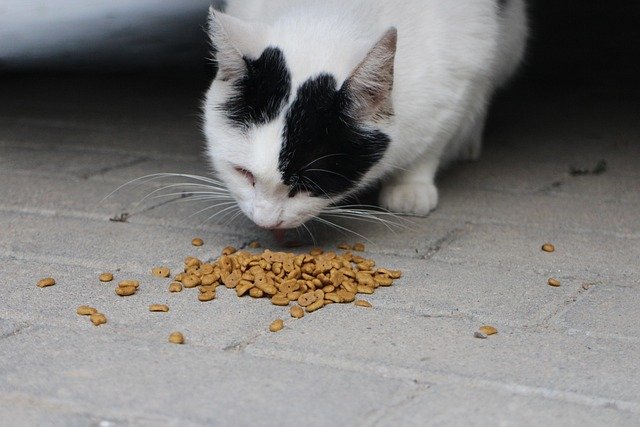
Kibble size, shape, and texture may influence chewing speed. Slower eating can reduce regurgitation and help food enter the stomach in manageable amounts.
These design elements work together to support digestive stability rather than simply masking symptoms.
Is it safe for most cats?
For generally healthy cats with mild digestive sensitivity, this type of food is considered safe when introduced properly. The formulation is intended to provide complete daily nutrition while supporting gastrointestinal function.
However, safety depends on correct use. Specialized digestive diets are not medical treatments. They are supportive nutritional tools. If a cat shows persistent vomiting, weight loss, or chronic diarrhea, diet alone may not address the underlying cause.
A common misunderstanding is assuming that improved stool quality automatically means a medical problem is resolved. In some cases, symptoms may be reduced while disease remains present.
Potential risks and limitations
No single diet suits every cat. Even well-formulated digestive foods have limitations that owners should understand.
Not a substitute for diagnosis
Serious conditions such as inflammatory bowel disease, infections, or organ disorders require medical evaluation. Diet can support recovery but cannot replace treatment.
Adjustment period may cause temporary changes
Switching foods abruptly can worsen digestive upset. Gradual transition is necessary to allow gut bacteria to adapt.
Individual tolerance varies
Some cats may not respond as expected. Digestive systems differ, and improvement is not guaranteed.
Calorie awareness is still required
Specialized formulas still contain energy. Overfeeding can lead to weight gain, which may worsen health problems.
Recognizing these limits helps prevent unrealistic expectations.
Common feeding mistakes owners make
Digestive-support foods work best when used consistently and correctly. Several common habits can reduce their effectiveness.
-
Switching foods too frequently
-
Mixing multiple diets without clear purpose
-
Ignoring portion control
-
Introducing new food too quickly
-
Assuming occasional vomiting is always harmless
Each of these behaviors disrupts digestive stability and may undo the benefits of a specialized formula.
Addressing common myths
“If a cat eats well, digestion must be normal.”
Appetite does not always reflect digestive health. Cats often continue eating despite discomfort.
“Sensitive stomach foods are only for severe illness.”
Mild digestive irregularity can still benefit from nutritional support. Early dietary management may prevent escalation.
“Better stool means the problem is cured.”
Improvement in symptoms does not always indicate resolution of underlying disease.
Practical guidance for responsible use
Digestive-support diets are most effective when used as part of a broader care strategy. Consistency, monitoring, and realistic expectations are key.
Veterinary care practices commonly followed in regions such as Texas emphasize three priorities:
-
Introduce new food gradually over several days
-
Monitor stool quality, appetite, and weight
-
Seek medical evaluation if symptoms persist
This approach focuses on prevention, early detection, and nutritional stability.
The role of diet in long-term digestive health
Food cannot control every digestive disorder, but it strongly influences how comfortably the gastrointestinal system functions. Reducing digestive strain, stabilizing intestinal movement, and supporting beneficial bacteria can improve daily wellbeing for many cats.
For households managing recurring mild digestive upset, a targeted formula may provide practical support. Yet responsible care means recognizing when nutrition alone is not enough.
Clear takeaway
Specialized digestive diets can help many cats maintain more stable digestion by improving nutrient breakdown and supporting intestinal balance. Their benefits depend on consistent feeding, gradual transitions, and realistic expectations. Careful observation and timely medical evaluation remain essential.
Thoughtful dietary choices, combined with attentive monitoring, provide the most reliable path to protecting a cat’s comfort and long-term health.