
During my years working as a licensed veterinarian in a busy small-animal clinic, I’ve learned that cats communicate far more through body language than most owners realize. Unlike dogs, who tend to be expressive and vocal, cats rely heavily on subtle signals. A flick of the tail, a shift in the ears, or the way a cat positions its body can reveal exactly how it feels.
I often tell new cat owners that if they learn to read these signals early, they can prevent many bites, scratches, and misunderstandings. Most behavioral problems I see in the clinic start with people misreading their cat’s body language.
Over the years, I’ve watched thousands of cats during exams, vaccinations, and recovery visits. Those moments—when a cat is nervous, curious, or defensive—make their communication especially clear.
The Tail: One of the Clearest Signals
In my experience, a cat’s tail tells you almost everything about its emotional state.
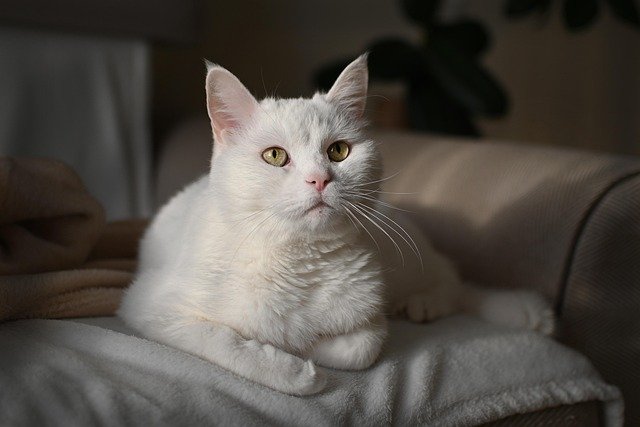
A relaxed cat typically carries its tail upright with a gentle curve at the tip. I see this posture often when cats walk into the exam room and confidently explore their surroundings. It’s essentially a greeting.
A twitching or whipping tail signals agitation. Once, a friendly tabby’s tail flicked sharply during a checkup. That was my cue to pause handling.
Sure enough, when the owner tried to pet the cat immediately afterward, the cat swatted her hand. The tail had already warned us.
A puffed-up tail is another unmistakable signal. This usually means fear. Cats make themselves appear larger when they feel threatened. It’s the feline equivalent of defensive posturing.
Owners sometimes mistake this for aggression, but most of the time it’s anxiety.
Ear Position Tells You How Comfortable a Cat Feels
A cat’s ears act like small radar dishes. They constantly rotate toward sounds, but their position also reflects mood. By “position,” I mean the direction the ears are pointing—forward, sideways, or flattened back against the head.
Forward-facing ears typically indicate curiosity or relaxation. During routine exams, this is what I like to see—it means the cat is alert but not frightened.
Flattened ears are a very different story.
A few years ago, a client brought in a newly adopted rescue cat. The cat hid at home for days, sitting in the carrier with its ears pinned back. Even before opening the door, I knew it was terrified.
Instead of pulling the cat out, we covered the carrier and dimmed the lights. Soon, the ears shifted forward, showing the cat was relaxed.
Those subtle adjustments are easy to miss if you’re not looking for them.
Eye Signals Owners Often Overlook
Many cat owners focus on tail movements but forget about the eyes.
Dilated pupils—when the black center of the eye is wide—often appear when a cat is scared or overstimulated. I see this frequently during vaccinations or when a nervous cat hears barking dogs in the waiting room.
Slow blinking, on the other hand, is one of the friendliest gestures a cat can offer.
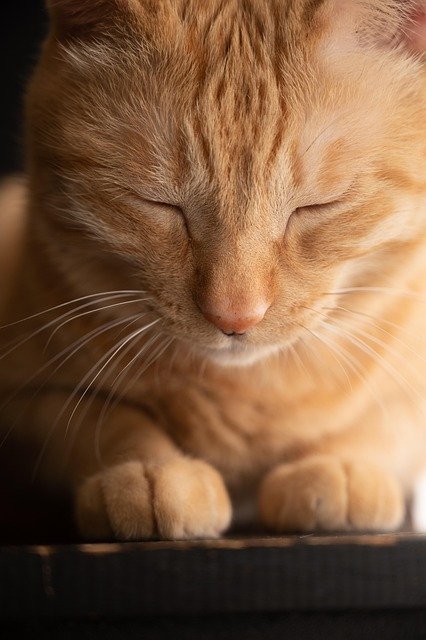
In fact, I’ve occasionally demonstrated this for skeptical owners. If you slowly blink while looking at a relaxed cat, many will blink back. It’s a sign of trust. I’ve used this technique during exams with shy cats, and it often helps them settle down.
Hard staring, however, can be perceived as a threat. I advise owners not to stare directly at anxious cats, particularly during introductions with new pets.
Body Posture Reveals Confidence or Fear
A confident cat moves through its environment with ease and grace.
A frightened cat, by contrast, lowers its body close to the ground. The muscles tighten, and the cat may freeze or attempt to retreat.
I recall a young couple with a shelter cat they thought was “randomly aggressive” during petting.
When the cat arrived at the clinic, I quickly noticed a pattern: whenever the owner stroked its back, the cat’s shoulders tensed, and its body flattened.
Those were subtle warning signs that the cat had reached its tolerance limit.
The owners had been missing those signals entirely. Once they learned to stop petting when the body stiffened, the scratching incidents almost disappeared.
The Belly Display: Not Always an Invitation
One of the most misunderstood cat behaviors involves belly exposure.
When a cat rolls onto its back, people often assume it wants belly rubs. In reality, that posture usually signals trust rather than an invitation to touch.
Cats instinctively protect their abdomen. When they show it, they’re demonstrating that they feel safe.
But if someone reaches in immediately, the cat may grab the hand with all four paws and bite. I’ve seen this scenario countless times.
A client brought in a young cat known for “ambush attacks.” It rolled onto its back during the consult, and the owner said, “He wants belly rubs.”
The moment she touched the stomach, the cat latched onto her hand.
The cat wasn’t being aggressive—it was reacting instinctively. Learning the difference between trust and invitation helps avoid scratches.
Subtle Signs That a Cat Needs Space
Over the years, I’ve noticed that many cats escalate behavior only after their earlier warnings go ignored.
Common early signals include:
- Tail flicking or lashing
- Sudden grooming during petting
- Ears rotating backward
- Body becoming rigid
These signals often appear several seconds before a bite or swat. A swat is a quick strike with a paw, often with claws. Unfortunately, most people only notice the final reaction.
In the clinic, recognizing these early cues allows us to pause handling before the cat becomes defensive. At home, the same awareness helps owners maintain a calm relationship with their pets.
Mistakes I See Owners Make
Working with cats every day reveals patterns in how people misinterpret feline communication.
One common mistake is assuming purring always means happiness. Purring is the low, vibrating sound cats make. Cats sometimes purr while stressed or in pain. I’ve examined injured cats that purred continuously throughout the appointment.
Another mistake is forcing interaction with a hiding cat. A frightened cat needs distance more than comfort. Trying to pull it out of a hiding spot usually increases fear.
I also see owners punish cats for defensive scratching. From the cat’s perspective, those scratches are simply a response to ignored warnings.
Understanding body language shifts the responsibility from punishment to communication.
Why Learning These Signals Matters
After years of practice, I’m convinced that reading body language is one of the most valuable skills a cat owner can develop.
Cats rarely attack without warning. They communicate clearly—but quietly.
A flick of the tail, a tightening of muscles, or a change in ear position can tell you exactly how a cat feels long before claws appear. Once owners begin noticing those signals, their interactions with their cats become calmer and far more predictable.
The difference often comes down to paying attention to the small details cats rely on to communicate every day.