
As a licensed veterinarian practicing in Texas for over 12 years, I’ve had countless cats come through my clinic exhibiting behaviors that worried their owners. One of the questions I get asked most often is about panting. Cats are generally quiet, graceful animals, so when a feline starts breathing rapidly with its mouth open, it’s natural for owners to panic. But is panting constantly a sign of stress, or could it signal something more serious?
From my experience, panting in cats is far less common than in dogs, and it almost always indicates that something unusual is happening. While stress and anxiety can cause a cat to pant, other factors can trigger this behavior, and understanding the context is key.
When Stress Causes Panting
I recall a case last spring with a senior Siamese cat named Luna. Her owners brought her in because she started panting when visitors arrived. In Luna’s situation, the panting was brief, accompanied by dilated pupils and a tucked tail—classic signs of acute stress.
Once she retreated to a quiet, dark room, her breathing returned to normal. That is a pattern I’ve seen many times: cats can pant when their nervous system goes into overdrive, just as humans breathe rapidly during anxiety.
Stress-induced panting often coincides with other behaviors such as hiding, excessive grooming, or restlessness. It’s usually short-lived and resolves once the source of stress is removed. In my practice, I advise owners to monitor the duration and frequency of panting. Occasional panting during a stressful event, like a car ride or a trip to the vet, is usually not dangerous. Persistent panting, however, demands professional attention.
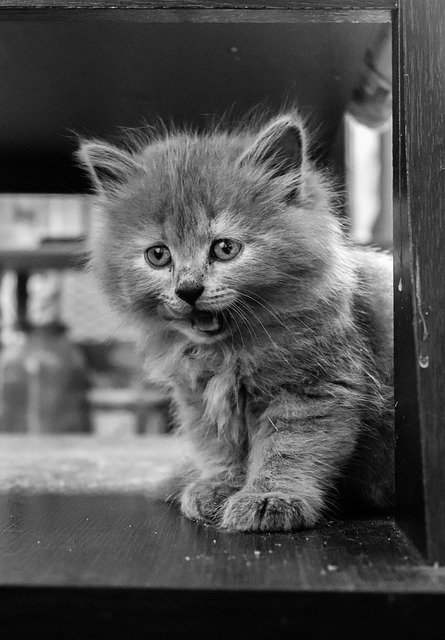
Health Concerns That Mimic Stress
Panting can also be a sign of medical issues. Cats do not normally regulate body temperature by panting, so if you notice prolonged or frequent panting, it could indicate problems such as heart disease, respiratory infections, or even hyperthyroidism. I remember examining a Maine Coon who was panting after mild play. Initially, the owners assumed it was excitement or stress, but after conducting blood tests and imaging, we discovered an early-stage heart condition. Prompt treatment prevented a more serious episode.
Another example was a young, overweight domestic shorthair who panted after only a few steps inside the house. The cat’s labored breathing turned out to be related to asthma. These experiences taught me that assuming stress is always the culprit can be dangerous. If a cat pants unexpectedly, it’s wise to rule out underlying health issues before attributing it to anxiety.
Practical Steps for Owners
The first step is observation. Note the situation in which your cat pants: during handling, after exercise, in warm environments, or seemingly for no reason? Observe accompanying behaviors—ears back, tail flicking, vocalizations, or hiding. These details can help distinguish stress-induced panting from a medical problem.
Creating a calm environment can reduce stress panting. Gentle petting, quiet spaces, and minimizing sudden changes in routine often help. I once recommended a pheromone diffuser for a particularly anxious Bengal, and within days, the panting episodes decreased noticeably. However, if panting persists, worsens, or occurs alongside lethargy, coughing, or blue-tinged gums, immediate veterinary evaluation is essential.
Trust Your Instincts
I’ve often told cat owners that they know their pets best. If something feels off, even if the panting lasts just a few minutes, don’t dismiss it. Cats are masters at hiding discomfort, so even short bursts of panting can be an important signal. In my own clinic, I’ve seen cases where early intervention, prompted by attentive owners noticing unusual panting, prevented severe complications.
To summarize from my experience, panting can be a sign of stress in cats, but it should never be assumed to be harmless. Context matters, and distinguishing between stress-related panting and medical concerns requires careful observation and, when needed, veterinary evaluation. Paying attention to your cat’s behavior, environment, and overall health can make all the difference in keeping them safe and comfortable.