
A Common Question from Dog Owners
I’ve been a licensed veterinarian practicing in Texas for over a decade, and one question I hear almost weekly from dog owners is whether it’s safe to give their pets bones. My experience has shown me that the answer isn’t a simple yes or no—it depends on the type of bone, the dog, and how it’s offered.
A Real Case That Highlights the Risk
When I first encountered this issue, a client brought in her young Labrador after he had chewed through a cooked chicken bone. He was vomiting and seemed lethargic, and x-rays revealed tiny fragments lodged in his stomach.
That case stuck with me because it highlighted a common misconception: not all bones are created equal, and some can be dangerous.
Raw Bones: When They Can Be Safe
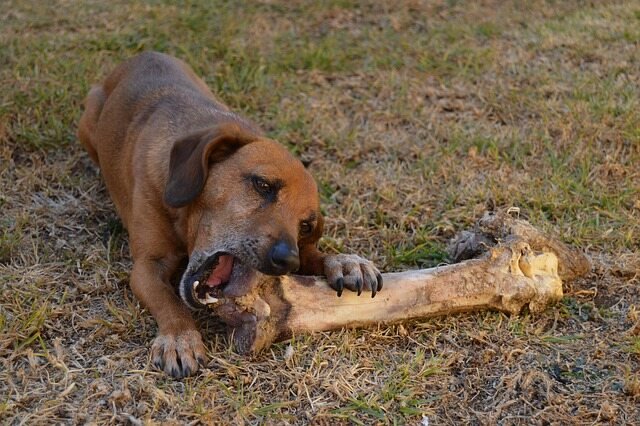
Raw bones, particularly larger ones from beef or bison, can be safe for certain dogs. I’ve recommended raw beef femur bones to clients with adult dogs who are experienced chewers. One client, for example, had a Golden Retriever with a strong jaw, and after supervising the dog with a raw bone, it became a healthy outlet for chewing, reducing stress and keeping his teeth cleaner.
However, even with raw bones, supervision is key. I always caution owners to monitor chewing sessions and remove the bone once it becomes small enough to swallow whole.
Cooked Bones: A Serious Risk
Cooked bones, on the other hand, are a different story. Several times, I’ve treated dogs who fractured their teeth on cooked pork or chicken bones. In one memorable case, a Border Collie bit down on a cooked rib, and the jagged pieces caused a small tear in the esophagus. The dog required hospitalization and antibiotics. I advise my clients to completely avoid giving cooked bones, regardless of size.
Size and Chewing Style Matter
Another factor is the dog’s size and chewing style. Small dogs, like Chihuahuas or Yorkshire Terriers, are at higher risk even with raw bones, because the pieces can splinter and cause choking or internal injuries.
I remember a customer last spring whose tiny terrier tried gnawing on a raw knuckle bone. He nearly choked before she could intervene, illustrating that what works for a large breed may not work for smaller breeds.
Safer Alternatives to Bones
Occasionally, I do recommend bone alternatives for dogs that love chewing but are prone to digestive issues. Synthetic dental chews or specially designed rawhide substitutes can provide the satisfaction of chewing without the risk of splintering. In my practice, these have prevented countless ER visits for bones stuck in the throat or intestines.
Final Advice for Dog Owners
Ultimately, I tell dog owners that bones aren’t inherently bad, but they come with responsibilities. You must know your dog’s chewing habits, size, and digestive sensitivity. Supervision is crucial, and certain bones—especially cooked ones—should never be given. I’ve found that being cautious and observant prevents most of the complications I see in the clinic.
I’ve seen firsthand the joy a bone can bring to a dog and the dangers it can pose. With careful choices and supervision, giving a bone can be safe, but without caution, it can quickly become a medical emergency. In my experience, knowing the risks and watching your dog closely makes all the difference.