
Flea control is one of the most common topics clients bring up during routine visits at my clinic. As a veterinarian who has spent more than a decade working with cats in small animal practice, I’ve seen just about every flea product available—some effective, some questionable, and some that cause more problems than they solve. Cheristin is one of the products cat owners frequently ask about, especially those looking for an easy topical treatment.
The short answer is that Cheristin can be safe for cats when used correctly and in the right patient. But, like many flea treatments, the details matter more than most people realize.
What Cheristin Actually Is
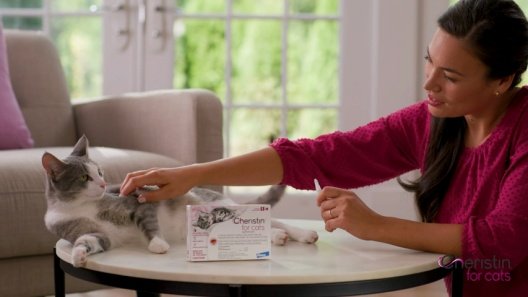
Cheristin is a topical flea treatment designed specifically for cats. The active ingredient is spinetoram, a compound derived from naturally occurring soil bacteria that acts on fleas’ nervous systems. It’s applied once a month to the skin, usually between the shoulder blades, where a cat can’t easily lick it off.
Unlike some older flea treatments, Cheristin works quickly. In many cases, fleas begin dying within a few hours after application. The medication spreads across the skin’s oil layer, providing protection for about 30 days.
In my experience, Cheristin’s safety largely depends on three factors: the cat’s health, how the product is applied, and whether the owner follows the instructions carefully.
My First Experience Recommending Cheristin
I first started recommending Cheristin several years ago when a long-time client came in with a rescue cat covered in fleas. The cat had been living outdoors and was extremely sensitive to scratching. The owner had already tried a couple of over-the-counter flea shampoos that barely made a dent.
After examining the cat, I suggested Cheristin because it tends to work quickly and doesn’t require pills, which can be difficult for some cats. I remember telling the owner to apply it carefully between the shoulder blades and to keep the cat indoors for the evening so the product could dry.
When they returned about a week later, the difference was obvious. The scratching had dropped dramatically, the flea dirt was nearly gone, and the cat seemed far more comfortable. That case reinforced something I’ve seen repeatedly: when used properly, Cheristin can be a practical solution for flea infestations.
Situations Where Cheristin Works Well
Most healthy adult cats tolerate Cheristin without any problems. Over the years, I’ve recommended it in several common situations.
Indoor cats that suddenly pick up fleas often respond well to it. Fleas frequently hitchhike indoors on clothing, other pets, or visiting animals, and Cheristin can stop that small infestation from turning into a larger one.
Multi-cat households are another scenario where I’ve seen it used successfully. When several cats need treatment at the same time, a topical solution is often easier than administering oral medication to multiple reluctant patients.
I’ve also seen good results with rescue cats that arrive with active flea infestations. The rapid flea-killing action can give them quick relief while we address other health concerns.
Side Effects I’ve Actually Seen
No flea medication is completely free of potential side effects. While Cheristin is generally well tolerated, I have seen a few reactions in clinical practice.
The most common issue is mild skin irritation at the application site. Occasionally, a cat will groom the area excessively or scratch it for a day or two. This usually resolves on its own.
A few years ago, a client brought in a young cat that seemed lethargic the day after receiving Cheristin. The owner had applied the product correctly, but the cat had apparently licked some of it before it fully dried. The symptoms were mild—mostly drooling and temporary discomfort—and the cat recovered quickly with supportive care.
Cases like that are uncommon, but they highlight why proper application matters so much.
A Common Mistake I See in Clinics
One of the biggest problems I encounter isn’t the medication itself—it’s how people use it.
A customer came in last spring, worried that her cat was acting strangely after a flea treatment. When I asked what product she used, she admitted she had applied a dog flea medication because it was the only one she had in the house.
That situation can be dangerous. Some dog flea products contain ingredients that are toxic to cats. Cheristin is formulated specifically for cats, which makes it safer than many alternatives, but mixing species-specific products is a mistake I see far too often.
Cats That May Need Extra Caution
Even though Cheristin is generally safe, there are certain cats I’m more cautious with.
Very young kittens are one example. The product is typically labeled for cats over eight weeks old, and I prefer to stick closely to those guidelines.
Cats with significant skin conditions may also need a different approach. If the skin barrier is compromised, topical medications can sometimes cause irritation or absorption issues.
Elderly cats or those with underlying medical problems usually tolerate the medication well, but I still like to review their overall health before recommending any flea treatment.
Why Application Technique Matters More Than People Think
In everyday practice, I’ve noticed that many flea treatment failures stem from application mistakes.
The medication needs to be applied directly to the skin, not on top of the fur. If it’s applied incorrectly, the product may not spread across the skin’s oil layer as intended.
I often demonstrate this in the exam room. Part the fur until the skin is visible, place the applicator tip directly against the skin, and squeeze the entire contents in one spot. It’s simple, but surprisingly easy to get wrong.
Another detail I mention is to avoid bathing the cat immediately before or after application. The natural oils in the skin help distribute the medication properly.
My Overall Opinion After Years in Practice
After seeing thousands of feline patients over the years, I consider Cheristin a reasonably safe option for flea control in most cats. It’s not the only product I recommend, but it has proven reliable in many real-world situations.
What matters more than the specific brand is how carefully the treatment is chosen and applied. Flea medications are tools, and like any tool, they work best when used correctly.
Cats suffering from flea infestations often show subtle signs at first—excess grooming, small scabs, or flea dirt hidden in the coat. Treating those problems early, with an appropriate product, can spare both the cat and the owner a great deal of frustration.