
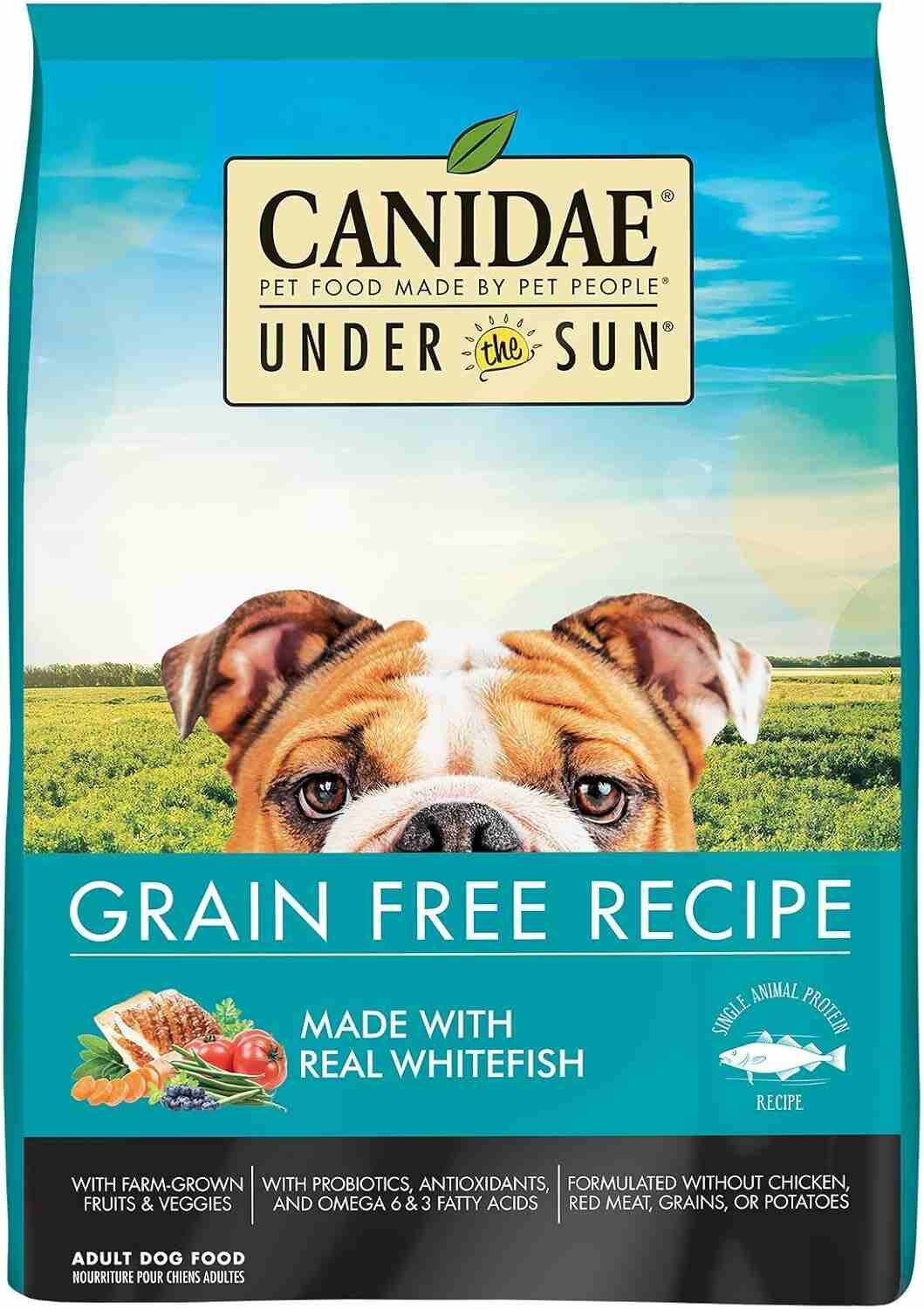
I’ve been a small-animal veterinarian for over a decade, most of that time spent in a busy mixed suburban practice where I see everything from itchy puppies to senior dogs with failing kidneys.
Dog food comes up in my exam room every single day. Canidae is one of those brands clients often ask about quietly, usually after they’ve already tried it or are considering switching. So let me answer the question the way I do face-to-face, not the way a label does.
My first real experience with Canidae
The first time I paid close attention to Canidae wasn’t because of marketing or ingredient lists. It was because three different clients over the course of a few months mentioned they’d switched to it after their dogs struggled on more common grocery-store brands. One was a middle-aged Labrador with chronic loose stools. Another was a picky small breed that kept skipping meals. The third was a rescue dog with a dull coat and constant ear issues.
What caught my attention wasn’t that Canidae “fixed” everything overnight. It didn’t. What stood out was that these dogs tolerated it well, even though other foods continued to cause flare-ups. That’s usually the first hurdle any dog food has to clear in real life.
How does Canidae stack up nutritionally?
From a veterinary perspective, Canidae sits in the upper tier of commercial dog foods, but not in a way that screams luxury or hype. Their formulas tend to rely on identifiable animal proteins, reasonable fat levels, and carbohydrate sources that are generally easy for dogs to digest.
I’ve recommended Canidae most often for dogs who don’t need prescription diets but clearly don’t do well on cheaper formulas. In my experience, dogs with sensitive stomachs frequently handle Canidae better than many mass-market brands. Stool quality is usually the first thing owners notice improving, which tells me the food is being digested and absorbed reasonably well.
That said, Canidae isn’t magic. I’ve seen dogs gain weight on it when owners free-feed or overestimate activity levels. The calorie density is higher than many people expect, especially for indoor dogs.
Real situations where Canidae worked — and where it didn’t
A few years back, I worked with a senior Golden Retriever whose owner kept rotating foods every few weeks, chasing the idea of “the perfect formula.” The dog had intermittent diarrhea and gas. We slowed everything down, picked one Canidae formula, transitioned properly, and stuck with it. The digestive issues settled within a month, not because Canidae was special, but because it was consistent and well-tolerated.
On the flip side, I’ve also seen Canidae fail dogs with particular needs. One case that stands out involved a dog with confirmed food allergies. Despite Canidae’s ingredient quality, it wasn’t appropriate for that dog because the protein sources still triggered symptoms. We eventually moved to a veterinary hydrolyzed diet, and that made the difference.
That is something I emphasize a lot: a “good” dog food can still be the wrong food for a particular dog.
Common mistakes I see owners make with Canidae
The biggest issue I encounter isn’t the food itself, but how it’s used.
Some owners assume that because Canidae is marketed as premium, portion control matters less. That leads to creeping weight gain, especially in neutered dogs. Others switch to it abruptly, without a proper transition, then blame the food for digestive upset that would have happened with almost any sudden change.
I’ve also seen people choose grain-free Canidae formulas without a medical reason, simply because they believe grain-free equals healthier. In practice, most dogs digest grains just fine, and unnecessary grain-free diets can complicate things, especially in dogs already prone to heart issues.
Would I recommend Canidae to my own clients?
Yes, I do — with conditions.
For healthy adult dogs without medical problems, Canidae is a solid option. I’m comfortable recommending it to owners who want something above entry-level foods but don’t need a prescription diet. I’ve seen enough dogs maintain good body condition, coat quality, and digestion on it to trust it in routine cases.
However, I don’t present it as a universal answer. Puppies, seniors with organ disease, and dogs with diagnosed allergies or pancreatitis often need a more specific diet. In those situations, I steer owners elsewhere, sometimes away from Canidae entirely.
The bottom line from clinical experience
Canidae is a good dog food for many dogs, not because of buzzwords, but because it tends to be consistently tolerated and nutritionally sound. In my practice, it’s one of the brands that quietly works when matched to the right dog and used correctly.
If a dog is thriving on it — stable weight, good stools, healthy skin — I see no reason to pull them off. If a dog isn’t doing well, I don’t force it just because the label looks good. Real dogs don’t read ingredient panels. They show us what works through their bodies.
That’s how I judge dog food, and that’s why Canidae earns a cautious but genuine recommendation from me.