
Insights from a Veterinarian
As a licensed veterinarian practicing in Texas, I’ve seen many dogs come into my clinic with yellow vomit, and I can tell you—it’s a symptom that often worries pet owners more than it needs to.
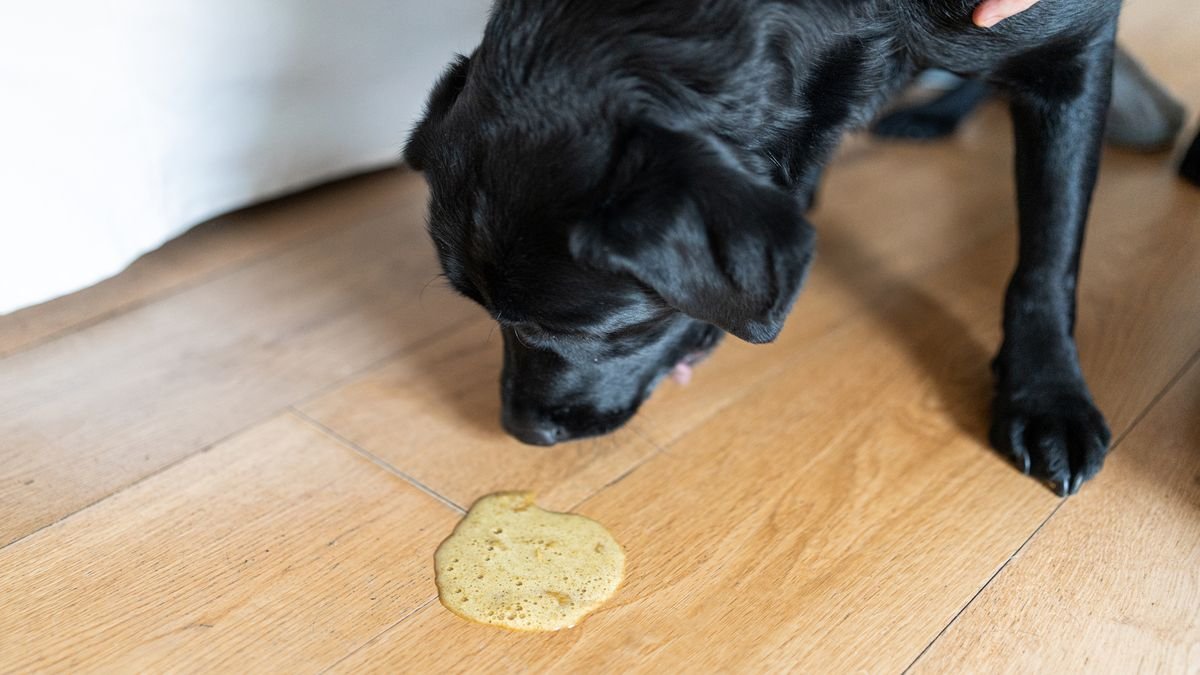
From my experience, yellow vomit usually points to bile, a digestive fluid produced in the liver and stored in the gallbladder. Its bright yellow or greenish color can make it look alarming, but understanding why it happens is the first step in figuring out what’s normal and what isn’t.
Understanding the Color: Bile in Your Dog’s Stomach
In my practice, one of the most common scenarios involves dogs vomiting yellow in the morning. I had a young Labrador last spring whose owners were frantic because he vomited a small amount of yellow liquid every day before breakfast.
After reviewing his eating schedule, it became clear he was experiencing bilious vomiting syndrome, caused by an empty stomach for long periods. While it can seem concerning, occasional bile vomiting in otherwise healthy dogs is often harmless. The key is that it happens intermittently, usually when the stomach is empty, and the dog remains active and happy.
Diet and Indigestion: How Eating Habits Affect Vomiting
Dietary indiscretion can also be a factor. I remember a beagle brought in by a client who had sneaked some leftover fried chicken from the counter. That evening, the dog vomited yellow bile mixed with undigested food. The owners were worried, but after ensuring he didn’t have access to human food and adjusting his meals, the vomiting stopped.
Cases like this show me that the color of vomit can sometimes be influenced by what’s in the stomach along with bile, rather than being an indication of a serious illness.
When Yellow Vomit Signals Something Serious
Not all yellow vomit is benign. I treated an older Golden Retriever who vomited yellow foam consistently and appeared lethargic. After diagnostic testing, it was diagnosed as pancreatitis.
Another dog I saw had yellow vomit with traces of blood, which pointed to a gastrointestinal ulcer. These experiences remind me that persistent vomiting, especially when paired with changes in appetite, energy, or stool, warrants a thorough veterinary examination. While occasional vomiting from an empty stomach may not be dangerous, repeated or severe episodes can indicate underlying health problems.
Timing and Behavior: Clues for Diagnosis
Observing when vomiting occurs and your dog’s behavior is critical. Dogs that vomit bile first thing in the morning or late at night often do so because their stomachs are empty. Conversely, vomiting after meals, especially if it’s repeated, can indicate inflammation, infection, or blockages.
I always ask owners to keep a simple record of vomiting episodes, behavior before and after, and any other symptoms, such as diarrhea or weight loss. These details often guide my recommendations for treatment or further testing.
Management and Next Steps
For mild cases, management is usually straightforward. I’ve had multiple clients successfully prevent morning bile vomiting by giving a small snack before bedtime or splitting meals into smaller portions.
However, for dogs who vomit frequently, show signs of discomfort, or have other symptoms, I recommend diagnostics like blood work, ultrasound, or X-rays to rule out pancreatitis, liver disease, or gastrointestinal obstruction. Timely intervention can make all the difference, and I always advise owners to err on the side of caution.
Yellow vomit is a symptom that needs context. Occasional bile vomiting in an otherwise happy dog is often nothing to worry about, but repeated or severe episodes require attention. From my hands-on experience, observing patterns, adjusting diet, and consulting a veterinarian when necessary ensures the best outcomes for your furry companion.