
From a Veterinarian Who Works With Community Colonies
I’m a licensed veterinarian who has spent much of my career working with community cat programs and trap-neuter-return (TNR) clinics. The feral cats I see are not house pets that have been temporarily lost outdoors. They are animals who have grown up without close human contact and read human approach as a threat, not a comfort.
Caring for cats (Feral) requires a different mindset than caring for a friendly stray, and I’ve watched well-meaning people get frustrated when they expected affection rather than boundaries.
I’ll share what has actually worked for me in backyards, alleyways, and barn lots—not theory, not wishful thinking.
First, be honest about whether the cat is feral or just frightened.
A truly feral cat behaves very differently from a shy or traumatized pet. In my exam room, a scared former pet might flatten its ears, hide, or hiss, but it will make eye contact, track human movement, and sometimes soften once things are quiet. A feral cat, by contrast, keeps a hard, fixed stare, stays coiled to bolt, and treats every movement as a potential attack. Many won’t vocalize at all; silence is their shield.
I once received a call from a woman convinced she had “a wild feral tom” behind her shed. He was filthy, skinny, and terrified. The moment I saw him move—tail tucked but not flicking, meowing at a distance—I suspected he was actually a dumped pet. Two weeks later, he was sleeping on her couch. That experience reinforced something I tell people constantly: don’t rush to label a cat feral. The label decides the care plan.
If the cat can be approached, petted, or coaxed inside within days, you’re probably dealing with a stray or abandoned pet. A genuine feral will keep a safe distance and avoid contact. Your goal with a feral is support, not conversion into a housecat.
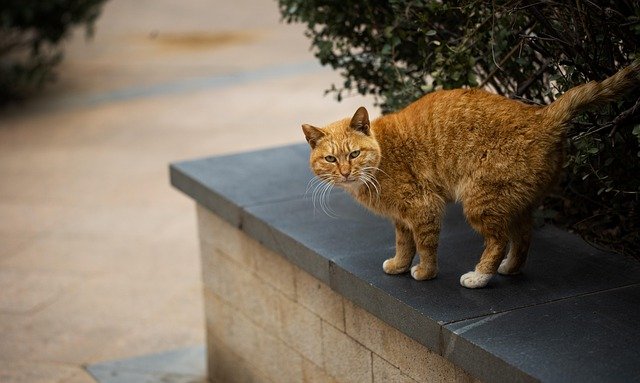
Food and water — help without creating chaos
Feeding feral cats is one of the most common entry points into caretaking, and it’s also the area where I see the most significant mistakes.
The most significant error I encounter is “all-you-can-eat buffets.” A kind person leaves a giant tray of food out all day. Before long, they also have raccoons, rats, opossums, and three extra tomcats they’ve never seen before. I’ve been called to properties where neighbors were angry, not about the cat, but about the growing parade of wildlife attracted by unlimited free calories.
What works better is routine and restraint. Offer measured meals at set times and remove leftovers after 20–30 minutes. Dry food is fine for most outdoor colonies; wet food can be used strategically during trapping or in harsh weather. Fresh water matters more than people think, especially in hot climates where dehydration sneaks up fast.
I keep food stations slightly hidden—under shrubs, behind sheds—so cats feel safer eating and are less visible to people who might harass them. Elevation helps keep ants and insects down. These small details are the kind of thing you only notice after standing in a yard at dusk, watching who shows up.
Shelter that matches how feral cats actually behave
People love the idea of adorable little “cat houses.” Ferals, however, are security analysts first. They want shelter that is dry, discreet, and offers an escape route.
Simple insulated boxes, barn access, or modified storage totes work. The best shelters I’ve seen share three traits: they’re small enough to trap body heat, face away from prevailing wind, and sit off the ground. I still remember a farmer who proudly showed me an elaborate wooden structure he built. It was beautiful—and completely unused. The cats were actually sleeping in the hay loft because it gave them a full view of approaching threats. That day cured me of assuming aesthetics matter to them.
Avoid blankets that hold moisture; straw keeps cats warmer and doesn’t mildew. Resist the temptation to peek inside daily. If a cat feels surveilled, they’ll abandon the space.
TNR isn’t optional — it’s the core of responsible care
If there is one recommendation I make firmly, it is this: trapping, neutering, and returning feral cats is essential. I’ve watched unneutered colonies explode in size, and I’ve treated preventable injuries from fighting and mating behavior more times than I can count.
A client once brought a severely injured tom that had been the “boss cat” of a lot behind a grocery store. The wounds were from repeated territorial fights that escalated because multiple intact males were competing for females. After that, the colony went through TNR, and the difference was striking. The nightly screaming stopped. New kittens stopped appearing under dumpsters. The same cats were still there, but they were healthier and calmer.
Neutering reduces roaming, fighting, spraying, and disease transmission. Ear-tipping—removing a small portion of one ear under anesthesia—identifies cats already altered, preventing retrapping stress. Many communities have low-cost or free TNR programs; as a veterinarian, I partner with several and always encourage caregivers to ask, not assume they can’t afford it.
Health care for feral cats is different from pet care.
I don’t recommend trying to medicate a feral cat by hand or forcing it into carriers repeatedly without training or traps. That’s how people get badly bitten, and feral cats will remember a single traumatic capture for a very long time.
Most of the medical care feral cats get happens during TNR: vaccines, parasite treatment, and wound assessment. After that, caretakers shift into watchful monitoring. You learn their standard patterns—who appears at dusk, who eats quickly and leaves—and you notice changes. A cat suddenly refusing food, drooling, or hiding during usual feeding times raises alarms.
Last summer, I monitored a colony where one female stopped showing up for two evenings. On the third night, she appeared, but she was thin and breathing heavily through her mouth. Because she was ear-tipped and previously trapped, we were able to retrap her with less stress and discovered advanced dental disease and infection. Without someone paying quiet attention, she would have vanished.
Your role isn’t to turn yourself into a full clinic; it’s to catch problems early enough to seek help appropriately.
Don’t try to force socialization — let the cat decide the relationship.
Every year, someone brings me a scratched forearm and says, “I’m trying to tame her.” My answer is usually the same: you’re trying too hard.
Some feral kittens socialize beautifully if handled young. Adult ferals rarely do, and measuring success by cuddling sets everyone up for frustration. The most extraordinary kindness is respecting an animal’s nature.
Outdoors, I’ve developed quiet rituals instead: sitting nearby while they eat, speaking in the same low voice, never reaching suddenly. I’ve had feral cats who eventually blinked slowly at me and relaxed their posture. That was our relationship. They never wanted to touch, but they were healthier, safer, and less afraid.
If an adult feral chooses to increase contact over time, let it be their choice. If not, support them from a distance. Bringing an adult feral indoors “for their own good” often produces overwhelming stress behaviors—wall climbing, self-injury, elimination outside litter boxes—that help nobody.
Common mistakes I’ve watched people make
A few patterns repeat so often in my work that I recognize them immediately:
- trying to scoop up a feral cat bare-handed “just for a quick look.”
- feeding irregularly for weeks and then being surprised when the cat disappears
- assuming any fearful outdoor cat is feral and giving up on rehoming too soon
- creating beautiful but impractical shelters that the cats never use
- delaying neuter because “one more litter won’t hurt.”
Each of these mistakes usually comes from kindness, not neglect. A little practical understanding prevents both injury and heartbreak.
You are allowed to set boundaries for yourself, too.
I say this as both a veterinarian and a person who has stood behind grocery stores at midnight with a humane trap: caring for feral cats can pull you in emotionally. You do not have to solve the entire problem on your block personally.
Connect with local rescue groups, TNR volunteers, and animal control departments that support community cat programs rather than simply removing animals. Share the workload where possible. I’ve seen people burn out because their compassion outpaced their capacity.
Care, but don’t isolate yourself doing it.
Feral cats were not failed pets; they’re animals that built a life outside human households. The goal isn’t to erase their independence but to make that life healthier and less harsh.
With food managed thoughtfully, shelter suited to their thinking, neutering handled promptly, and expectations grounded in reality, you can make a meaningful difference. I’ve watched cold, wary cats live long, stable lives under this kind of stewardship, and that, to me as a veterinarian, is success.