
Many cat owners assume their pets are safe from pests, especially if their cats spend most of their time indoors. This belief often leads to surprise when itching, scratching, and small dark specks appear in the fur.
Fleas are tiny parasites that can affect cats of all ages and lifestyles. Knowing how they spread and how to deal with them can save both the cat and the owner a lot of stress.
How Cats Get Fleas in the First Place
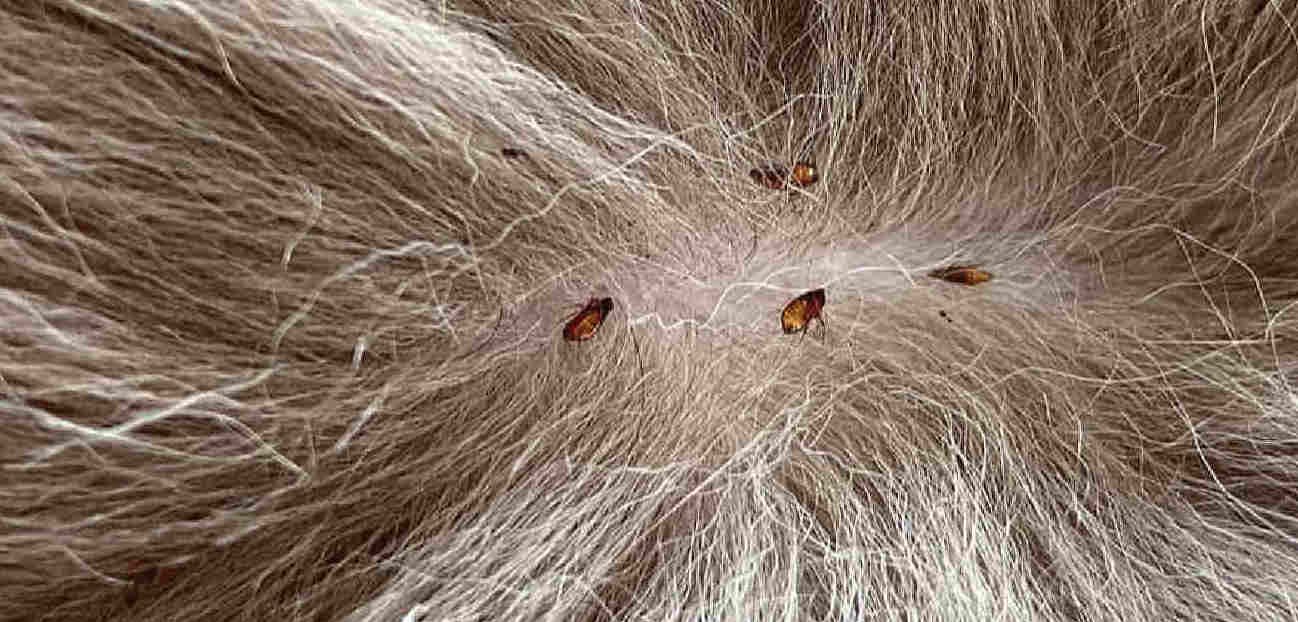
Fleas are tiny insects, just 1–2 millimeters long, moving quickly through fur. Cats pick them up from yards, other animals, or inside homes. A single flea can jump up to 150 times its body length, easily reaching pets. Even indoor cats are not safe.
People can carry fleas in on shoes or clothes. Once inside, fleas lay eggs in carpets, bedding, or furniture. These eggs can hatch within days. A small problem grows into a full infestation.
Outdoor exposure increases risk, but even indoor cats can get fleas. Fleas settle on hosts quickly, feeding and reproducing soon after.
Signs That Your Cat May Have Fleas
Recognizing flea problems early can make treatment easier. Cats often show signs like scratching, biting their skin, or grooming more than usual. You may notice hair loss around the neck or tail area. These are common signs of flea-bite irritation.
If you want a detailed guide on checking your pet, resources like “Do Cats Get Fleas?” provide step-by-step advice on identifying flea activity at home.
Flea dirt is another clear sign. It looks like tiny black specks and is actually flea waste. When placed on a wet paper towel, it turns reddish brown because it contains digested blood. This simple test helps confirm the presence of fleas.
Some cats develop flea allergy dermatitis. This condition causes intense itching and skin inflammation even from a few bites. In severe cases, a cat may scratch until the skin becomes raw.
Health Problems Linked to Fleas
Fleas are more than just a nuisance. They can cause real health issues for cats. One of the most common problems is anemia, especially in kittens or older cats. Repeated bites can lead to serious blood loss over time.
Fleas can also transmit tapeworms. When a cat grooms itself and swallows an infected flea, the parasite enters the digestive system. This leads to further health complications. Regular deworming is often needed in such cases.
Skin infections may develop due to constant scratching. Open wounds allow bacteria to enter, leading to redness, swelling, and sometimes pus. Treating fleas early reduces the chance of these secondary infections.
Some cats become restless and anxious. Constant itching affects their sleep and behavior. Over time, this stress can impact their overall well-being.
Effective Ways to Treat Fleas on Cats
Treating fleas requires a combination of methods. Using only one solution often does not solve the problem completely. Many veterinarians recommend topical treatments that are applied once a month. These products kill fleas at different stages of their life cycle.
Oral medications are another option. They work from inside the body and can kill fleas within hours. These treatments are especially helpful in severe infestations. Always follow dosage instructions carefully.
Cleaning the home is just as important as treating the cat. Vacuum carpets, wash bedding, and clean furniture regularly. Flea eggs and larvae can hide in these areas for weeks. Consistent cleaning helps break the life cycle.
Here are some basic steps to manage fleas:
– Use vet-approved flea treatment regularly.
– Wash your cat’s bedding at least once a week.
– Vacuum carpets and furniture often.
– Check your cat’s fur every few days.
– Treat all pets in the household.
Patience is key. Flea control takes time. A single treatment rarely fixes everything in one day.
Preventing Fleas Before They Start
Prevention is easier than treatment. Keeping your cat on regular flea prevention stops infestations. Many products are for monthly use and are easy to apply.
Limit exposure to unknown animals. Cats that roam outside or interact with stray animals have a higher chance of picking up fleas. Even short encounters can lead to infestation. Keeping your cat indoors reduces this risk.
Regular grooming helps detect fleas early. Use a fine-toothed flea comb to check for insects or flea dirt. This simple habit can catch problems before they grow. Early action saves time and effort later.
Keep your home clean. Regular vacuuming and fabric washing remove flea eggs and larvae. This reduces the chances of reinfestation. Consistency matters here.
Fleas are persistent pests, but they can be controlled. Cats can get fleas even in clean homes, so regular checks, proper treatment, and simple habits are key to keeping your cat healthy.
Flea problems can feel overwhelming at first, yet they become manageable once you understand how they spread and how to stop them effectively. A consistent routine, careful observation, and timely treatment will protect your cat from discomfort and keep your home free from unwanted pests.