
As a Texas veterinarian for over a decade, I’ve seen many cases of cat scratch disease (CSD), an often-overlooked illness caused by Bartonella henselae. My main message is that preventing CSD is possible and essential—simple awareness and proactive steps can protect both you and your cat.
Most people don’t realize that routine play or handling can lead to infection, but you can substantially lower your risk with the right practices.
Understanding the Risk
Many of my clients are surprised that healthy, well-groomed cats can transmit CSD. For example, a client developed a swollen lymph node after a simple scratch from her seemingly healthy cat. These situations remind me that prevention is about understanding how the disease spreads and taking practical steps to reduce risk.
Keeping Cats Healthy
One of the best ways to prevent CSD starts at home with the cat itself. In my clinic, I always emphasize the importance of flea control because fleas can carry Bartonella henselae.
A client who struggled with recurring flea infestations learned this the hard way—her indoor cat scratched her multiple times, and she developed a mild infection. After switching to a veterinarian-recommended flea prevention routine, both she and her cat avoided further complications. I recommend regular veterinary checkups, up-to-date vaccinations, and keeping cats indoors whenever possible to minimize exposure to bacteria-carrying fleas.
Handling Cats Safely
Even the friendliest cat can scratch when startled or overstimulated. I’ve observed clients who let children play roughly with kittens, thinking they’re harmless. A small scratch or bite from a kitten can be more than just a minor injury—it can carry bacteria that lead to fever, fatigue, and swollen lymph nodes.
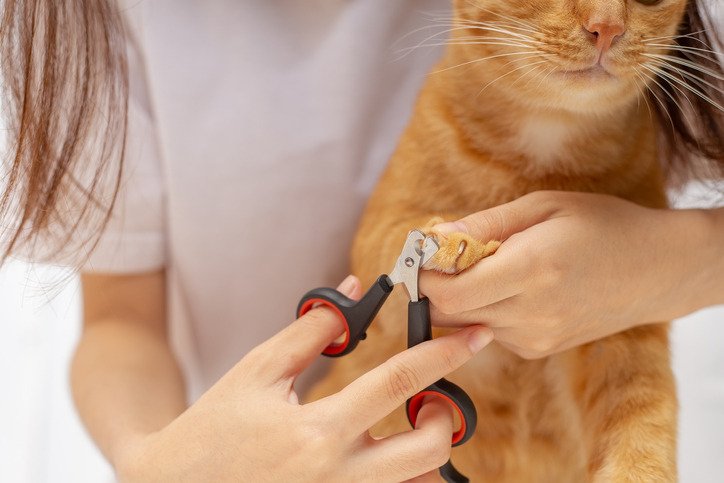
I always advise families to supervise interactions, teach gentle handling, and avoid sudden movements that could provoke cats. Gloves can help when cleaning litter boxes or handling a particularly skittish cat.
Wound Care and Hygiene
In my practice, I’ve treated several cases where proper wound care could have prevented infection. If you get scratched, clean it immediately with soap and running water. I tell clients to wash the area thoroughly, apply an antiseptic, and monitor for redness or swelling over the next few days. I’ve also seen situations where people delayed seeking care—sometimes assuming the scratch was minor. Early intervention, including consulting a doctor if symptoms arise, can prevent the illness from escalating.
Special Considerations for Vulnerable Individuals. CSD is usually mild for healthy adults, but can be serious for children, the elderly, or immunocompromised individuals. When advising a family with a chemotherapy patient, I recommended creating a “safe zone” for the cat and staying extra vigilant with care, prevention, and handling.
My Professional Advice
From my perspective, preventing cat-scratch disease requires a combination of proactive cat care, safe handling, and personal hygiene. Avoiding unnecessary scratches, controlling fleas, and washing any wound promptly can dramatically reduce your risk.
I’ve seen countless cases where simple preventive measures saved a lot of trouble—and I’ve also witnessed the complications that arise when these steps are ignored. CSD isn’t something to fear, but it deserves respect, especially if your household includes vulnerable members.
