
Many homeowners appreciate hostas for their lush foliage and easy care, but dog owners often wonder whether these common garden plants are safe for pets.
What Are Hosta Plants and Why Do Dogs Notice Them
Hostas are popular ornamental plants known for their wide, green leaves. They grow well in shaded areas and require little maintenance. Many gardens include them because they spread easily. Their soft texture makes them attractive to curious dogs.
Dogs explore the world with their mouths. They may chew on leaves out of curiosity or boredom. Some dogs are more likely to eat plants than others. Puppies, in particular, tend to nibble on anything they find.
The problem starts when the plant contains harmful substances. Hostas contain compounds called saponins. These chemicals can affect a dog’s digestive system. Even a small amount can cause discomfort.
Not every dog reacts the same way. Some may show symptoms quickly, while others take longer. This makes it harder to predict outcomes. Awareness is important.
Are Hostas Harmful to Dogs?
Hostas are considered toxic to dogs. The plant’s saponins can irritate the digestive tract. When ingested, they may cause vomiting and diarrhea. These symptoms can appear within a few hours.
Many pet owners research this topic and refer to helpful guides like Is Hosta Toxic to Dogs ” to understand the risks and learn how to respond if their pet eats part of the plant.
Severity depends on how much the dog eats. A small bite may cause mild symptoms. Larger amounts can lead to more serious issues. Monitoring is necessary.
In rare cases, dogs may show signs of depression or loss of appetite after ingesting hostas, especially if a significant amount has been consumed over a short period of time without immediate care.
Symptoms of Hosta Poisoning in Dogs
Recognizing symptoms early is important. Vomiting often occurs suddenly and may be frequent after ingestion. Increased drooling can be persistent and is a direct response to the irritation of the mouth and stomach lining.
Diarrhea commonly follows vomiting. It may be watery or contain mucus, and the severity depends on the amount consumed. Dogs can also exhibit marked lethargy, appearing unusually fatigued, slow to respond, or unwilling to move.
Loss of appetite is another symptom. A dog that refuses food for more than 24 hours should be checked by a veterinarian. Dehydration can also occur if vomiting continues. This can become serious.
Watch closely. Behavior changes matter. Even small signs can point to a problem.
Here are specific symptoms to monitor:
-Frequent vomiting within hours of ingestion
– Watery or mucus-laden diarrhea
– Noticeable drooling or pawing at the mouth
– Unusual tiredness or reluctance to move
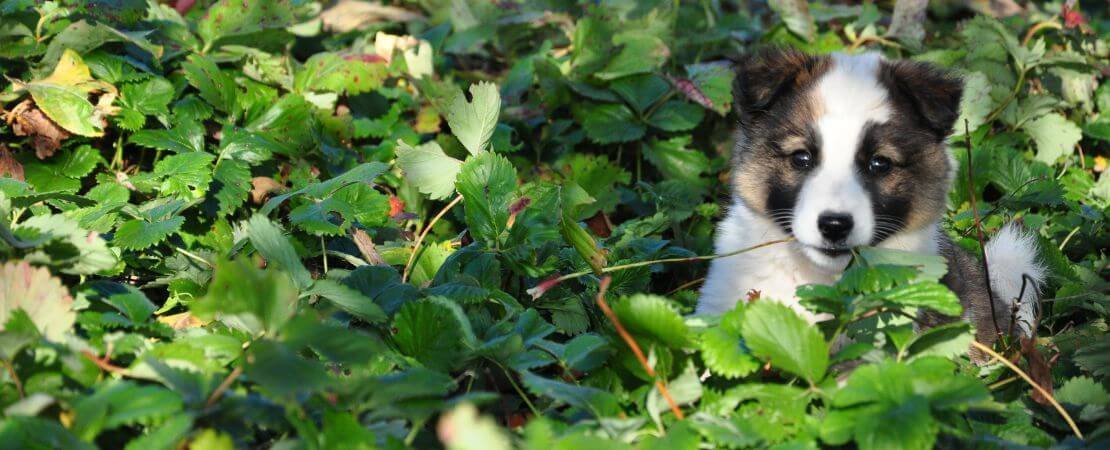
What to Do If Your Dog Eats Hosta
If you suspect your dog has eaten a hosta plant, act quickly. Remove any remaining plant material from the area. Prevent further ingestion. This reduces the risk.
Offer fresh water. Small sips help prevent dehydration. Do not force your dog to drink. Let them take it slowly.
Contact a veterinarian if symptoms appear. Provide details about the amount and time of exposure to aid treatment.
In some cases, the vet may suggest home monitoring. In more serious cases, treatment may include fluids or medication. Each situation is different. Follow the advice carefully.
How to Keep Your Dog Safe Around Plants
Prevention is best. Keep toxic plants out of reach and use barriers if needed.
Training also plays a role. Teach your dog the “leave it” command, specifically when near plants. Practice these commands in the yard or garden, so your dog learns to avoid potentially harmful plants. Reward your dog consistently for avoiding plants.
Provide safe alternatives. Chew toys and treats can reduce the urge to chew on plants. Keeping your dog busy lowers risk. A bored dog explores more.
Regular yard checks are helpful. Walk through your yard frequently to remove fallen hosta leaves and other plant debris. Promptly clear damaged plants or accessible cuttings to reduce temptation. A tidy yard limits your dog’s opportunities to reach unsafe plants.
Hosta plants may look harmless, but they can pose a real risk to dogs. By understanding the symptoms, taking quick action, and preventing access, you can protect your pet and maintain a safe home environment.