
Insights from a Homeowner Who Learned the Hard Way
I’ve been a homeowner in the suburbs for over a decade, and for most of that time, my driveway doubled as a magnet for neighborhood cats. At first, I thought it was harmless—just a few paw prints and a bit of fur—but over time I noticed scratches along the hood and traces of paw grease on my freshly washed car. That’s when I realized I needed a practical solution.
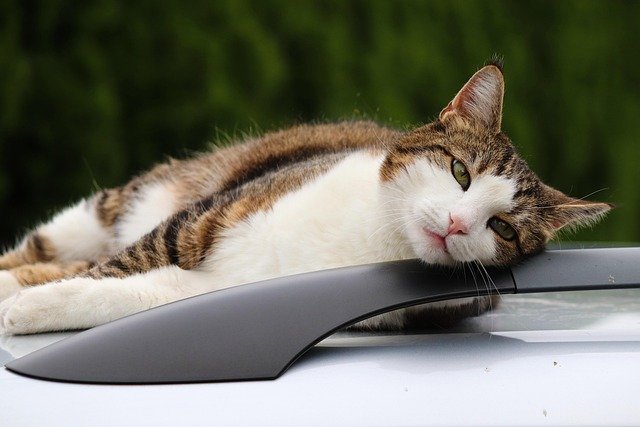
One spring, a particularly bold tabby decided my car was its personal perch. I walked out one morning to find it lounging across the windshield, soaking up the sun. Beyond the obvious inconvenience, I worried about paint scratches and potential damage to the windshield wipers. From my experience, the first step in keeping cats off your car is understanding why they’re drawn to it in the first place.
Warmth is the biggest lure. Cars retain heat long after the engine is turned off, especially in cooler months. Cats love a cozy spot, and a car hood offers a perfect perch. I once tried covering my vehicle with a simple tarp, thinking the texture would deter them. It worked partially, but the tarp would occasionally shift in the wind, giving the cats access to the warm spots underneath. That taught me that a secure barrier, properly anchored, is far more effective than a loose cover.
Scent also plays a huge role. Cats are territorial creatures, and certain smells can repel or attract them. I experimented with a few natural deterrents after reading about their effects. Citrus peels placed on the hood worked better than I expected—at least initially. One persistent feline, however, seemed indifferent to the peels and leapt over them. This led me to combine scent deterrents with physical deterrents. Sprays made with safe, non-toxic ingredients can help reinforce the message without harming the cat.
Motion-activated devices are another surprisingly effective solution. A motion-activated sprinkler installed near my driveway discouraged several regular visitors. They quickly learned that approaching the car meant a sudden, harmless spray of water. Not all setups are perfect—one rainy day, the sprinkler went off unintentionally—but overall, the principle is sound: cats dislike sudden disturbances to their comfort zones.
I also learned that persistence matters. One neighborhood cat seemed to ignore every barrier, scent, and deterrent I tried. Eventually, I realized part of the problem was the nearby landscaping, which provided a convenient way to reach the roof. Trimming bushes and adding a layer of gravel around the driveway reduced the cat’s access points. It was a minor environmental change, but combined with deterrents, it made a noticeable difference.
Over the years, I’ve discovered that combining strategies works best. A secure car cover, occasional natural scent repellents, and minor environmental adjustments collectively keep cats away. Relying on just one method rarely solves the problem permanently. And while it can be tempting to try harsher methods, I’ve found that humane solutions maintain good relations with neighbors and keep the cats safe, which matters more than a perfect car hood.
I’ve also learned patience is key. The first week of implementing these strategies, the cats were relentless, testing every new barrier or deterrent. By the second week, patterns began to shift—they started avoiding my car and exploring other areas. Seeing that change firsthand was satisfying and reinforced my belief that gentle, consistent methods are more effective than reactive, aggressive approaches.
Keeping cats off your car isn’t about a single trick—it’s about observing, experimenting, and adjusting. Every cat and environment is different. For me, the combination of a sturdy cover, natural deterrents, motion-activated devices, and thoughtful landscaping created a situation where both my car and the neighborhood cats could coexist peacefully.