
As a licensed veterinarian practicing in Texas, I’ve seen firsthand how something as seemingly innocent as a leafy houseplant can turn into a medical emergency for cats. Over the years, I’ve treated dozens of cats who’ve ingested plants from their owners’ homes, sometimes with alarming results.
I want to share what I’ve learned from experience, including the types of plants that can be dangerous and the real situations that brought these risks into sharp relief.
Recognizing Dangerous Plants in Your Home
One case that sticks with me involved a customer who had a thriving peace lily in her living room. She adored its glossy leaves, but her young cat, curious and playful, nibbled on one of them. Within hours, the cat was drooling excessively and vomiting.
Peace lilies contain calcium oxalate crystals, which irritate the mouth, throat, and stomach. While it wasn’t life-threatening in this instance, it caused significant discomfort and a stressful night at the clinic. This isn’t an isolated case; I’ve seen similar reactions with other common plants like philodendrons and pothos, both of which can provoke vomiting, drooling, and oral irritation.
Real-Life Incidents and Lessons Learned
Another situation I remember involved a beautiful kalanchoe plant that had been a gift. The owner didn’t realize it could harm pets. Her indoor cat chewed on a few leaves and developed gastrointestinal upset—diarrhea and mild lethargy. Kalanchoe contains bufadienolides, which can affect the heart if ingested in large amounts.
I had to monitor the cat closely and provide supportive care, but it could have been far worse in a smaller or older cat. From experience, I always tell clients to avoid these plants entirely if cats have access to them.
Amaryllis, another favorite for indoor decoration, has caused more than one emergency visit to my clinic. I recall a senior cat who managed to nibble on the bulbs. Bulbs are far more toxic than leaves, causing vomiting, tremors, and, in some cases, more serious cardiac issues. That incident reinforced my advice: placement alone is not enough. Even a cat that normally respects boundaries can leap or knock over a pot, so keeping toxic plants out of reach isn’t always effective.
I’ve also encountered cases involving lilies, especially Easter lilies, which are extremely dangerous for cats. One client brought in a cat who had ingested just a few petals. The result was acute kidney injury, and despite intensive treatment, the prognosis was guarded. Experiences like this have made me strongly recommend that cat owners either avoid lilies entirely or keep them completely inaccessible—far beyond a typical windowsill or shelf.
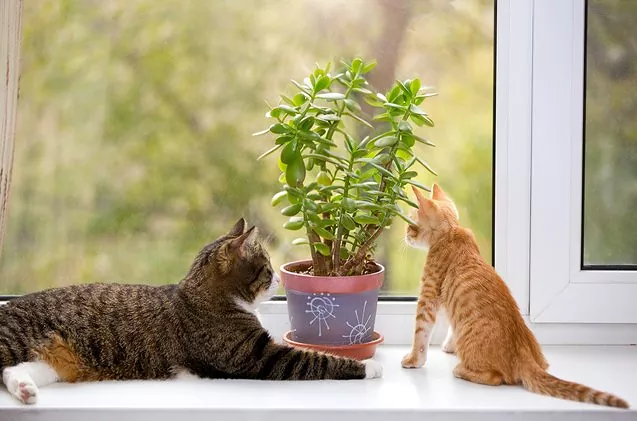
From my years in practice, the plants I consistently warn clients about include:
- Lilies (Lilium spp. and Hemerocallis spp.): Highly toxic, can cause kidney failure.
- Sago palm: Seeds and leaves can cause liver failure and vomiting.
- Dieffenbachia (Dumb Cane): Causes oral irritation, drooling, and vomiting.
- Aloe vera: While good for humans, it can trigger vomiting and diarrhea in cats.
- Philodendrons and Pothos: Mild to moderate oral and gastrointestinal irritation.
- Kalanchoe and Amaryllis: Can affect the heart and cause gastrointestinal upset.
In my practice, I’ve found that educating cat owners about these risks is more effective than relying on signs or assuming “she’ll leave it alone.” Cats are naturally curious and often attracted to plants with interesting textures or scents. A playful swipe, a nibble, or even rolling in soil can be enough to cause illness.
I often recommend non-toxic alternatives for cat owners who want greenery indoors. Spider plants, Boston ferns, and certain herbs like basil or catnip are generally safe and can satisfy a cat’s curiosity without the risks. I’ve seen homes where a carefully chosen collection of these plants allowed both owner and pet to enjoy greenery safely.
In my experience, the key is awareness and preventive action. A casual glance at your indoor garden isn’t enough—understanding which plants can pose serious threats is critical. I’ve treated cats that recovered quickly after mild ingestion, but I’ve also had to provide intensive care when toxic plants were involved. Taking proactive steps to avoid exposure can save your cat from pain, expensive veterinary bills, and, in severe cases, life-threatening illness.
Ultimately, living with cats and plants is possible, but it requires thoughtful choices and sometimes tough decisions about what greenery belongs in your home.