
A Veterinarian’s Real-World Perspective
What I’ve Seen in Practice With These Strange Worms
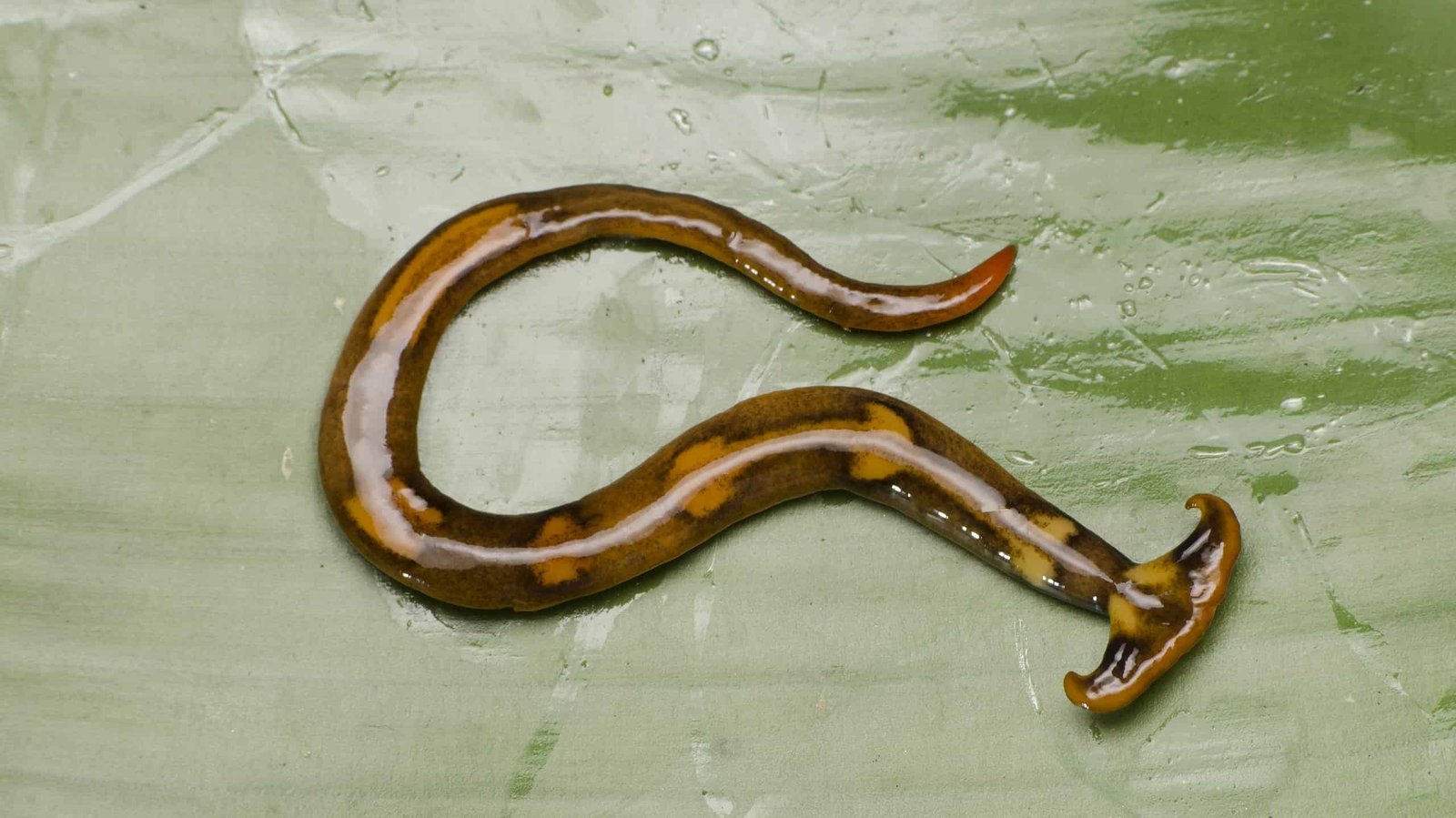
As a practicing small-animal veterinarian with over a decade in the field, I’ve had more than a few worried pet owners walk into my clinic holding a jar with a bizarre, flat, shovel-headed creature inside. The first time I encountered a hammerhead worm—scientifically known as Bipalium—was when a client brought one in after her Labrador tried to mouth it during a walk.
I remember her concern clearly. She wasn’t sure if it was poisonous, parasitic, or just strange-looking. That uncertainty is something I see often with these worms, especially in warmer climates where they tend to thrive.
Let me be clear: hammerhead worms can pose a risk to dogs, but the level of danger depends on how your dog interacts with them.
What Makes Hammerhead Worms Potentially Dangerous
The Role of Tetrodotoxin
Hammerhead worms produce a toxin called Tetrodotoxin. This is the same potent neurotoxin found in pufferfish. In my experience, this is the main reason these worms aren’t harmless curiosities.
Now, before you panic, the amount of toxin in a single worm is usually not enough to cause severe poisoning in most dogs. But that doesn’t mean it’s safe.
A young terrier I treated last summer tried to chew one. Within an hour, the dog developed excessive drooling and mild lethargy. Fortunately, the symptoms were short-lived, but it was enough to confirm that these worms can trigger reactions.
What Happens If a Dog Eats One?
Symptoms I’ve Personally Observed
Most cases I’ve seen fall into the mild-to-moderate category. Dogs are naturally curious, and some will lick or chew things they shouldn’t.
Here’s what I typically watch for after exposure:
- Drooling or foaming at the mouth
- Vomiting
- Lethargy or reduced activity
- Mild coordination issues
In one case, a client’s mixed-breed dog showed slight tremors after ingesting part of a worm. It resolved with supportive care, but it reinforced my advice: don’t ignore exposure.
Severe poisoning is rare, but not impossible—especially in smaller dogs or if multiple worms are consumed.
A Lesser-Known Risk: Parasites
The Rat Lungworm Concern
One issue that doesn’t get enough attention is the potential link between hammerhead worms and Angiostrongylus cantonensis. This parasite is more commonly associated with snails and slugs, but hammerhead worms can act as carriers.
While I haven’t personally diagnosed a dog with rat lungworm from a hammerhead worm, I’ve treated cases linked to other carriers. The neurological symptoms can be serious, ranging from weakness to loss of coordination.
It’s not the most common outcome, but it’s a risk I don’t advise ignoring.
Common Mistakes I See Dog Owners Make
Treating Them Like Harmless Garden Creatures
A lot of people assume these worms are just odd-looking earthworms. I’ve had clients tell me they let their dogs play with them because they didn’t seem threatening.
That’s a mistake.
These are not like regular earthworms. Hammerhead worms are invasive flatworms with regenerative abilities and chemical defenses. Breaking them apart doesn’t kill them—it can actually make the problem worse.
Trying to Remove Them Bare-Handed
Another situation I’ve encountered: a homeowner picking one up without gloves after their dog found it.
The toxin can also irritate human skin. I always recommend using gloves or tools and avoiding direct contact.
What I Tell My Clients to Do Immediately
Practical Advice That Works
If your dog interacts with a hammerhead worm, I usually give straightforward instructions:
- Rinse your dog’s mouth gently with clean water if they’ve chewed on it.
- Monitor for symptoms over the next several hours.
- Keep them from further contact.
If any symptoms show up—even mild ones—I prefer a quick check at the clinic. It’s often a simple case of supportive care, but early observation makes a difference.
I recall a case where the owner waited overnight because the dog “seemed fine.” By morning, the dog had persistent vomiting that could’ve been addressed much earlier.
How I Recommend Handling Hammerhead Worms in Your Yard
Safe Removal Based on Experience
Over the years, I’ve advised many homeowners dealing with these worms. The key is proper disposal.
Do not cut them. I’ve seen people try to shovel them in half, only to end up with more worms later.
Instead, I recommend:
- Sprinkling salt or vinegar directly on the worm
- Using gloves to place it in a sealed bag
- Disposing of it properly
One of my clients had a recurring issue in a damp garden area. After adjusting irrigation and removing debris, the sightings dropped significantly.
My Professional Take
Hammerhead worms aren’t the most dangerous thing your dog could encounter, but they’re far from harmless. In my day-to-day work, I treat them as a moderate risk—something to be aware of, not something to fear excessively.
If your dog is the type that investigates everything with their mouth, I’d be particularly cautious. Prevention goes a long way here.
From what I’ve seen firsthand, most dogs recover quickly from minor exposure, but the situations that escalate are almost always those in which early signs were ignored.