
As a licensed veterinarian practicing in Texas, I’ve encountered countless cases in which dehydration in cats quietly led to serious health problems. Unlike dogs, cats often don’t drink enough water on their own, especially if they primarily eat dry food. Over the years, I’ve developed practical ways to encourage cats to stay hydrated at home, and I want to share what I’ve learned from direct experience.
One situation that comes to mind is a seven-year-old Maine Coon I treated last spring. The owner noticed that her typically playful cat was lethargic and had a reduced appetite compared to usual. Upon examination, it became clear she was mildly dehydrated.
I suggested a few simple adjustments at home, and within a week, her energy levels were back to normal. That isn’t a rare scenario; cats hide signs of dehydration until it becomes noticeable, which is why proactive hydration is crucial.
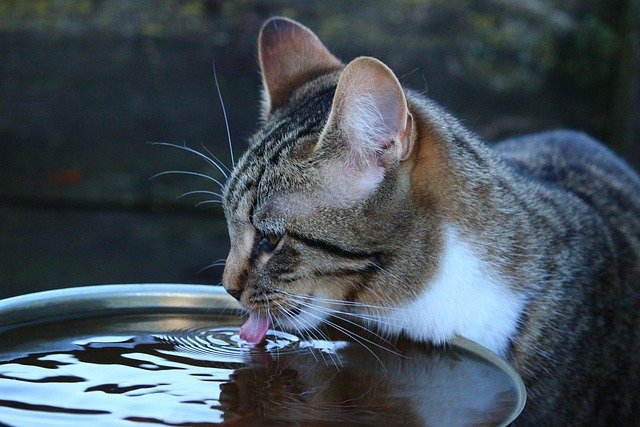
Fresh, Accessible Water
In my experience, cats are surprisingly particular about water. One of my clients had a Persian who would completely ignore a water bowl that was even slightly dirty. I recommend placing multiple water bowls in different areas of your home.
Stainless steel or ceramic bowls often work better than plastic, which can retain odors or feel unappealing to cats. I’ve seen cats drink consistently more when bowls were shallow and wide, allowing them to lap comfortably without touching their whiskers to the sides.
Temperature and Movement Matter
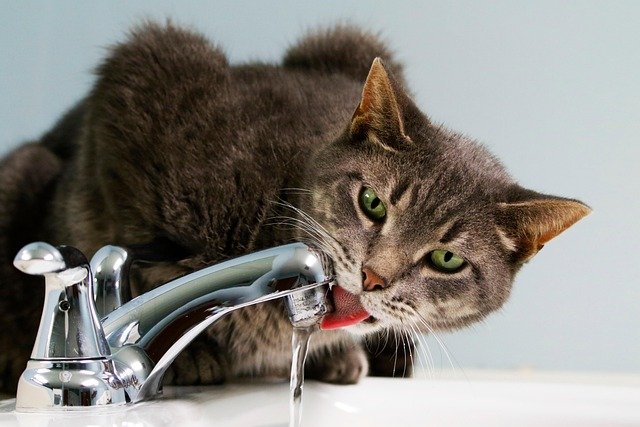
Cats tend to prefer fresh, cool water. When I first suggested using a small pet fountain to a client with two Siamese cats, their water intake tripled within days. The movement keeps the water oxygenated and attracts cats to drink more naturally.
Even simple solutions, like changing water twice a day and using filtered tap water, can make a big difference. One of my long-term patients, an elderly domestic shorthair, increased his water intake dramatically after we switched from a deep bowl to a wide, shallow ceramic dish near his favorite napping spot.
Incorporating Wet Food
I’ve always emphasized the role of wet food in hydration. Cats on dry kibble often don’t drink enough to make up for it. I had a case last fall where an overweight domestic shorthair was borderline dehydrated, but switching to a diet that included a mix of wet food and high-moisture treats improved her hydration and kidney function over several months. Wet food contains between 70-80% water, which contributes significantly to daily fluid intake.
Flavored and Safe Liquids
For cats that are resistant to plain water, I sometimes recommend small amounts of low-sodium chicken or beef broth. I always stress that it should be unsalted and free from onions or garlic.
One of my patients, a finicky Scottish Fold, refused water but drank broth eagerly when I advised her owner to add a teaspoon to her bowl a few times a week. It was a gentle, safe way to boost hydration without forcing fluids.
Monitoring and Intervention
I often tell cat owners that hydration isn’t just about providing water; it’s about observation. Signs like sunken eyes, dry gums, or lethargy indicate dehydration and warrant a visit to the clinic. I remember a case where a ten-year-old Siamese developed a urinary blockage exacerbated by dehydration. Early recognition and aggressive hydration—both at home and under veterinary care—made the difference in his recovery.
Final Thoughts
Hydrating a cat requires patience, observation, and understanding their preferences. Small changes, such as adding a fountain, offering wet food, or ensuring multiple clean water sources, can prevent mild dehydration from escalating.
From my experience, cats thrive when their environment makes drinking easy and appealing, and owners see immediate improvements in energy and overall health. Paying attention to hydration is a quiet but powerful way to support a cat’s long-term wellbeing.