
I’ve been a licensed veterinarian practicing in Texas for over 12 years, and one question I get almost every week from cat owners is: “How many times should I feed my cat each day?” While it seems straightforward, the answer depends on your cat’s age, health, and lifestyle, and small adjustments can make a big difference in their overall well-being.
Feeding Kittens: Frequent Small Meals
Kittens grow fast, and their tiny stomachs can’t handle large meals. In my experience, feeding kittens three to four times a day works best. I had a 12-week-old kitten brought into my clinic last fall who was constantly meowing for food. By switching him to four smaller meals, his weight gain improved steadily, and his behavior became noticeably calmer. Smaller, frequent meals keep kittens’ energy levels consistent and help stabilize their blood sugar, which is crucial for their rapid development.
I’ve also seen kittens who are fed too infrequently develop picky eating habits or even anxiety around mealtime. By spacing out meals throughout the day, you encourage healthy eating patterns that last into adulthood. For very young kittens, sometimes even five meals a day can be appropriate, especially if they are under three months old or recovering from illness.
Adult Cats: Two Meals Often Suffice
Healthy adult cats generally do well with two meals per day—one in the morning and one in the evening. Routine matters a lot for adult cats. I remember a Persian cat whose owners fed him only once daily. He became anxious, prowling around the kitchen and scavenging for food. Once we switched him to two meals at consistent times, his anxiety reduced, and his weight stabilized.
Two meals per day help regulate digestion and maintain energy levels without causing overeating. In my experience, many owners worry that their cats will go hungry between meals, but adult cats are surprisingly good at adjusting if you stick to a predictable schedule.
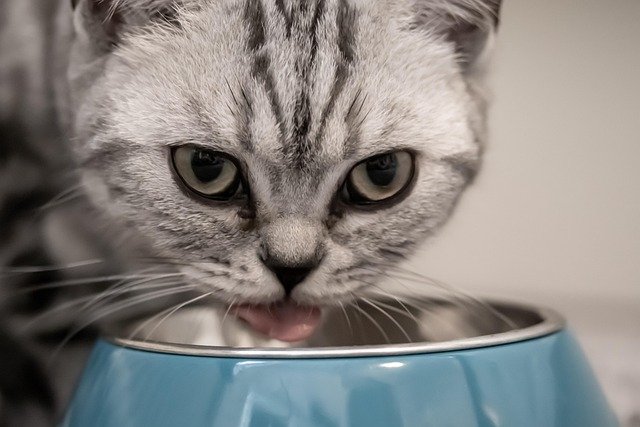
Senior or Special-Needs Cats: Adjust as Needed
Older cats or those with medical conditions sometimes need smaller, more frequent meals. I’ve worked with senior cats with kidney or digestive issues who do better with three or even four small meals per day. One patient, a 15-year-old domestic shorthair with mild kidney disease, used to vomit after larger meals. After adjusting her feeding schedule to three smaller portions, those episodes stopped, and her overall comfort improved.
Frequent small meals in senior cats help with nutrient absorption, prevent digestive upset, and support energy levels. I always recommend carefully observing your senior cat—changes in appetite, weight, or behavior can signal when adjustments are necessary.
Observing Your Cat’s Needs
Ultimately, the right feeding schedule depends on your cat’s individual needs. In my experience:
- Kittens: 3–4 meals/day
- Healthy adults: 2 meals/day
- Senior or special-needs cats: 3–4 small meals/day
Watch your cat’s appetite, energy, and body condition, and adjust accordingly. Feeding isn’t just about nutrition—it’s about supporting comfort, mood, and long-term health.
I’ve seen small changes in feeding routines transform a cat’s behavior and wellbeing, whether it’s a frantic kitten or a senior cat struggling with digestion. Paying attention to how your cat responds to their meals is just as important as how often you feed them.