
A Veterinarian’s Honest Take
I’ve been working as a small-animal veterinarian for over a decade, and this question comes up more often than you’d think—usually with a raised eyebrow and a half-smile. People assume they already know the answer. After all, one of these animals rolls in mud, and the other sleeps on your couch.
But the truth is more nuanced, and in my experience, it often surprises people.
The Mud Myth
Let’s start with the obvious. Yes, pigs roll in mud. I’ve treated plenty of them on small farms and even a few kept as pets, and that behavior isn’t about being dirty—it’s about staying cool and protecting their skin.
Pigs don’t sweat effectively. Mud acts like sunscreen and insect repellent. One client I worked with kept a pair of pot-bellied pigs in a clean, shaded enclosure. They still chose to wallow in a mud patch daily. When I asked why she didn’t remove it, she laughed and said, “They’d just make another one.”
What stood out to me was this: despite the mud, their living area was surprisingly tidy. Pigs instinctively separate where they eat, sleep, and relieve themselves. That’s something many people don’t expect.
Dogs and Their Habits
Now compare that to dogs. Dogs are incredibly adaptable, which is part of why they’ve become such successful companions. But cleanliness isn’t exactly their defining trait.
I remember a Labrador I treated a while back—lovely temperament, well-trained, but notorious for rolling in anything foul-smelling. The owner was frustrated because no matter how often she bathed him, he’d find something unpleasant within days.
This isn’t unusual. Dogs explore the world through scent, and sometimes that means rubbing themselves in things we’d rather avoid. Unlike pigs, they don’t naturally designate a separate bathroom area unless trained to do so.
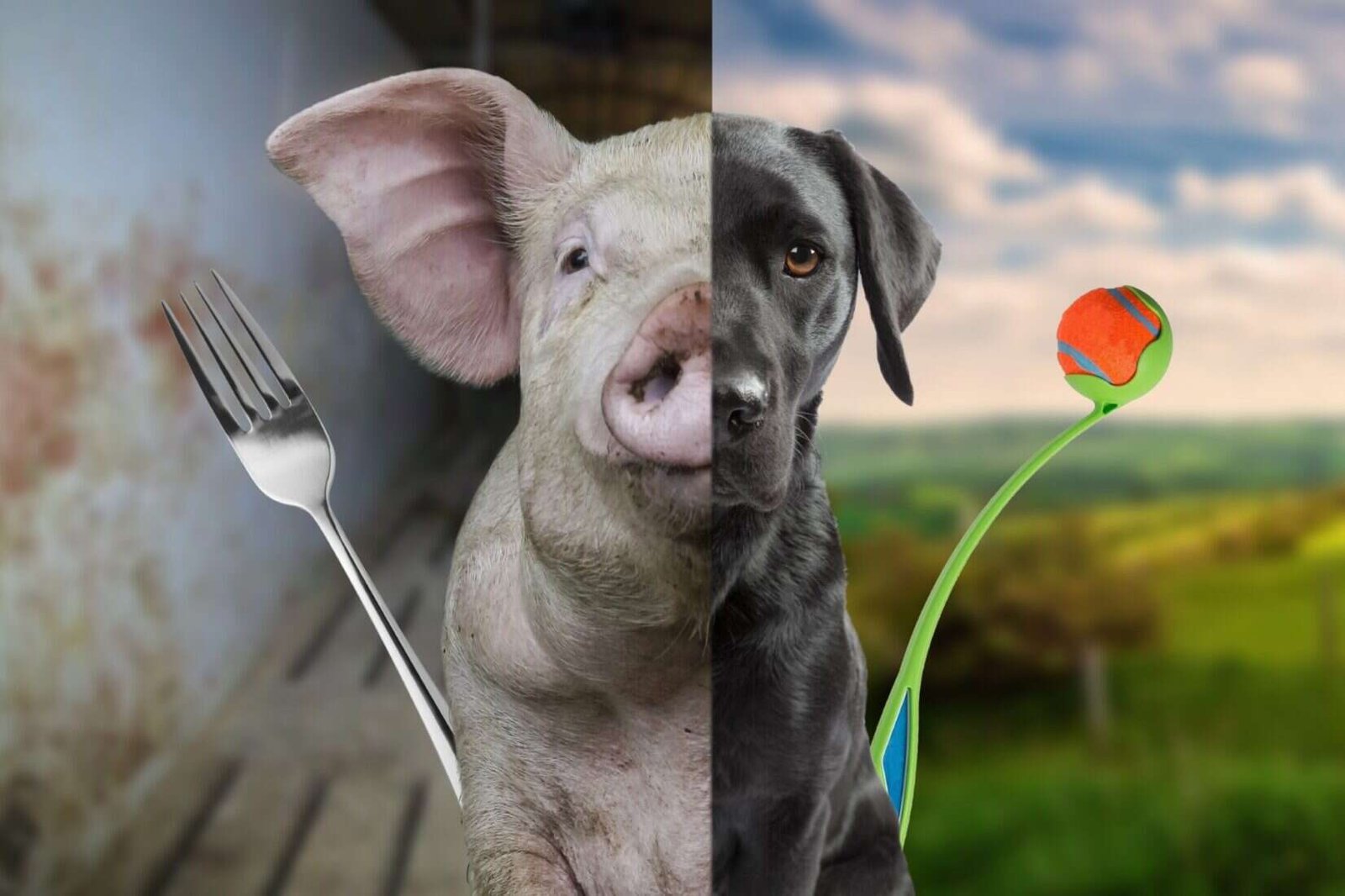
Natural Cleanliness vs. Managed Cleanliness
Here’s where things get interesting from a professional standpoint.
Pigs are naturally clean animals if their environment allows it. Give them enough space, and they’ll organize their living area so it stays relatively hygienic. I’ve seen pig enclosures that were cleaner than poorly maintained dog kennels.
Dogs, on the other hand, rely heavily on human management. Regular grooming, bathing, and training are what keep them clean. Without that structure, they can quickly become messy.
One case that stuck with me involved a family who kept both a dog and a pig on their property. The dog had free roam of the yard, while the pig had a designated pen. The pig’s area stayed consistently cleaner because it followed a routine. The dog’s roaming habits led to scattered waste and dirt unless the owners kept up with daily cleaning.
Hygiene and Health
From a medical perspective, cleanliness isn’t just about appearances—it affects health.
Pigs are less likely to contaminate their food and water areas if given proper space. That reduces the risk of certain infections. However, if they’re kept in cramped or poorly maintained conditions, they can become just as dirty—and unhealthy—as any other animal.
Dogs, especially indoor ones, can carry dirt, parasites, and bacteria into the home. I’ve treated cases where poor grooming led to skin infections or flea infestations. But with proper care, dogs can live in very clean environments.
A Quick Reality Check
If you’re trying to decide which animal is “cleaner,” the answer depends more on how they’re kept than what they are.
In their natural behavior:
- Pigs tend to be more orderly and intentional about cleanliness.
- Dogs are more carefree and dependent on training.
But in a typical household:
- A well-groomed dog is usually cleaner than a pig kept in a backyard enclosure.
- A properly housed pig can be cleaner than a neglected dog.
My Professional Opinion
If I had to give a straightforward answer based on years of hands-on experience, I’d say this:
Pigs are naturally cleaner animals, but dogs are easier to keep clean in a home setting.
That distinction matters. Cleanliness isn’t just about instinct—it’s about practicality. Most people aren’t set up to manage a pig’s environmental needs the way they would for a dog.
I’ve had a few clients who tried keeping pigs indoors, thinking they’d behave like dogs. It rarely went smoothly. While pigs are intelligent and trainable, their needs differ, and managing them in a typical home can be challenging.
Common Mistakes I See
One of the biggest misconceptions I encounter is assuming that an animal’s natural behavior will automatically translate into a clean living situation.
With pigs, people underestimate how much space and structure they need to maintain that cleanliness. With dogs, people overestimate how “naturally clean” they are without grooming and training.
Both animals can be clean. Both can be messy. It depends on the effort and environment.
Final Thoughts
The idea that pigs are filthy and dogs are clean is more cultural than factual. Spend enough time around both, as I have, and that assumption starts to fall apart.
Cleanliness isn’t built into the animal as much as it’s shaped by how we care for them. And that’s something I remind clients of all the time—because in the end, the responsibility always comes back to us.
