
A Trainer’s Perspective
I’ve been a certified professional dog trainer for over a decade, and a surprising number of the dogs I’ve worked with have had partial or complete hearing loss. Some were born deaf, others lost hearing with age or after chronic ear infections. The first deaf dog I trained — a young bully breed mix — forced me to rethink nearly every habit I had as a trainer.
He couldn’t “hear” my praise, but he watched my body language more carefully than any hearing dog I’d ever met. That experience shaped how I now help families care for deaf dogs in real homes, not controlled training rooms.
Caring for a deaf dog isn’t about feeling sorry for them. They’re not broken. They communicate differently. Daily life becomes quieter on your end and more visual, tactile, and routine-based for them.

Start with communication, not obedience.
Owners often ask me how to “teach sit” first. I usually slow them down and say: teach ‘pay attention’ first.
Deaf dogs don’t get incidental sound cues — no refrigerator door, no car pulling into the driveway, no whispered name from across the room. That means eye contact is your foundation. I routinely teach a simple visual “watch me” cue before anything else. With one older shepherd I worked with, just building that sustained eye contact reduced her anxiety dramatically because she finally had a predictable way to check in with her people.
Hand signals work better than you’d expect. They don’t need to be official or fancy — consistency matters more than style. I use precise, exaggerated gestures at first and then make them smaller once the dog learns the pattern. Food rewards help, but many deaf dogs respond just as strongly to a significant, happy facial expression or a thumbs-up because they read faces incredibly well.
Safety management beats wishful thinking.
I’ve seen too many owners assume their deaf dog “knows the yard” and won’t bolt. Hearing dogs get auditory warning from traffic, strangers, or another barking dog down the block. Deaf dogs don’t. My professional opinion is simple: a deaf dog should not be trusted off leash in unenclosed spaces.
One family I worked with lived on a quiet suburban street and thought their deaf husky’s recall was “perfect.” It was — until the day a jogger startled him visually, and he darted across the road. He didn’t hear the car. The dog survived with injuries, but that was a hard lesson no one forgets. Since then, I recommend secure fencing, long lines, and GPS collars not for paranoia, but because deaf dogs miss entire categories of warning signals.
Inside the house, I suggest creating predictable routes and routines. Sudden wakings can startle a deaf dog more intensely than a hearing one. I’ve trained owners to gently tap the floor near the dog or touch the shoulder rather than the head. A client’s senior spaniel used to wake up snapping when nudged awake on the face. Changing how the family approached him completely resolved it.
Replace sound with vibration, light, and routine.
Deaf dogs don’t hear your voice, but they feel the world.
Many pick up on vibration beautifully. I’ve taught dogs to look at their owners when they feel a stomp on the floor or a gentle tap on the couch. One of my own foster dogs learned that two light taps on the floor meant “dinner time,” and he would trot into the kitchen with more enthusiasm than any spoken cue could have produced.
Visual cues help too. Flashing a porch light to call a dog inside can work remarkably well once it’s associated with food or praise. Some families install vibrating (not shocking) collars. I’m in favor of them when used correctly — as a neutral “shoulder tap from afar,” not a punishment tool. The mistake I’ve seen is people pushing the button repeatedly or too harshly, turning it into something the dog wants to avoid. The goal is: vibration means “look at me.”
Training is easier than many people expect
People often assume deaf dogs are “harder” to train. My experience has been the opposite in many cases. Deaf dogs tend to be visually tuned in, less distracted by noise, and very aware of body posture. They notice tiny patterns that hearing dogs ignore.
I trained a young deaf cattle dog mix who learned new hand signals faster than most hearing dogs learn verbal cues. His owner told me she stopped talking during training sessions because she realized her facial expressions were doing more than her voice ever did.
The big mistake I see is owners continuing to talk constantly, as if the dog just isn’t “listening.” With deaf dogs, your mouth is background movement — your hands, shoulders, and timing are what matter.
Reduce startle responses rather than scolding them.
Startle responses aren’t “disobedience.” They’re nervous system reflexes.
Deaf dogs can’t hear you approach from behind or sense another pet entering their space audibly. I’ve worked with more than one dog who snapped when a child hugged them from behind while they were sleeping. My recommendation is to teach a “wake-up signal” just like any other cue. Touch near the shoulder blade, not the face. Pair it with treats for weeks, so waking up becomes a pleasant surprise instead of a panic jolt.
Households with children need extra teaching, not extra fear. I’ve sat on living room floors explaining to kids that their dog lives in a quieter world and needs warning before touch. Once they treat it like a simple house rule, incidents drop dramatically.
Veterinary care and everyday stress
As a trainer, I’ve spent plenty of time alongside veterinarians during behavior consults. Deaf dogs in clinics rely almost entirely on visual comfort — the vet approaching slowly, the owner staying in sight, hands not appearing suddenly at their face. I encourage owners to advocate firmly for their dog: ask staff to approach from the dog’s field of vision and to avoid startling restraint.
At home, think about things like vacuum cleaners suddenly coming into view, or cats appearing without warning. A deaf dog isn’t anxious by default, but they can fatigue faster from constant visual scanning. Giving them defined resting places, predictable routines, and clear communication signals reduces that mental load.
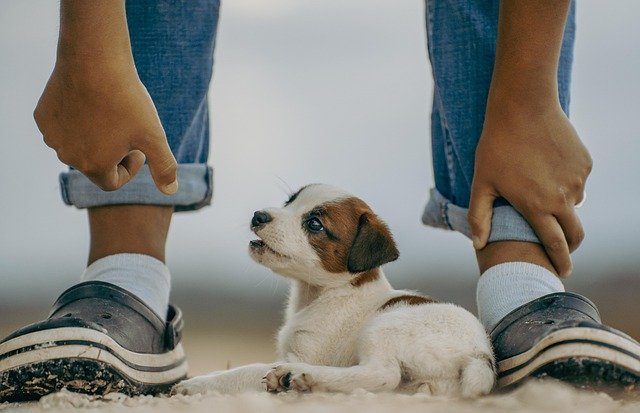
My honest opinion after years of working with them
Deaf dogs are not “special-needs” burdens as many people fear. They’re different, yes — but not fragile. They thrive with structure, clarity, and thoughtful handling.
The most significant difference isn’t in the dog. It’s in us. We’re forced to be clearer, calmer, more intentional handlers. I’ve watched families grow closer to their dogs as communication became conscious rather than automatic.
If you’re caring for a deaf dog now, or considering adopting one, my professional advice is simple: commit to learning their language rather than trying to make them fit yours. Once that shift happens, the silence stops feeling like a limitation and becomes a unique partnership.