
A Veterinarian’s Practical Take
I’ve spent years as a small-animal veterinarian, and I can tell you this: the type of grass in your yard matters more than most dog owners realize. It affects everything from your dog’s skin health to how often you’re cleaning muddy paws off your floor.
Bermuda grass comes up a lot in conversations with clients, especially those trying to build a dog-friendly lawn that actually survives daily wear and tear. I’ve seen it in all kinds of homes—from carefully maintained yards to chaotic, high-traffic spaces with multiple dogs. And yes, I have a pretty clear opinion on it.
My Short Answer
Bermuda grass is generally a good choice for dogs. It’s tough, fast-growing, and non-toxic. But that doesn’t mean it’s perfect in every situation.
Why I Often Recommend It
One of the biggest advantages of Bermuda grass is its resilience. Dogs don’t treat lawns gently. They run, dig, pace, and often pick one or two “favorite” bathroom spots that get used over and over again.
A cliA client switched to Bermuda grass after their dogs ruined their previous lawn. The new grass bounced back quickly, and the yard stayed cleaner. It’s something I’ve consistently seen—Bermuda grass handles pressure better than many other types.
It’s Safe, But Not Always Harmless
From a medical standpoint, Bermuda grass itself isn’t toxic to dogs. If your dog nibbles on it occasionally, I don’t usually worry.
But “safe” doesn’t mean “problem-free.”
I’ve treated quite a few cases where dogs developed mild irritation after spending a lot of time on Bermuda grass. It’s a coarser grass, and in some dogs—especially those with sensitive skin—it can lead to:
- Redness on the belly or paws
- Itching after lying on the lawn
- Mild allergic reactions
I remI saw a dog with paw irritation traced to Bermuda grass. Limiting exposure and rinsing paws resolved the issue quickly. Urine Problem (and Why It Still Matters)
No grass is immune to dog urine, and Bermuda grass is no exception.
Bermuda grass recovers from urine spots faster than many other varieties, reducing long-term damage.
That said, I’ve seen plenty of yards where owners assumed Bermuda grass would solve everything—only to end up with yellow spots everywhere.
The difference usually comes down to habits. Owners who rotate bathroom areas or occasionally water down urine spots tend to have much better results. Those who don’t often blame the grass, when it’s really about how the yard is used.
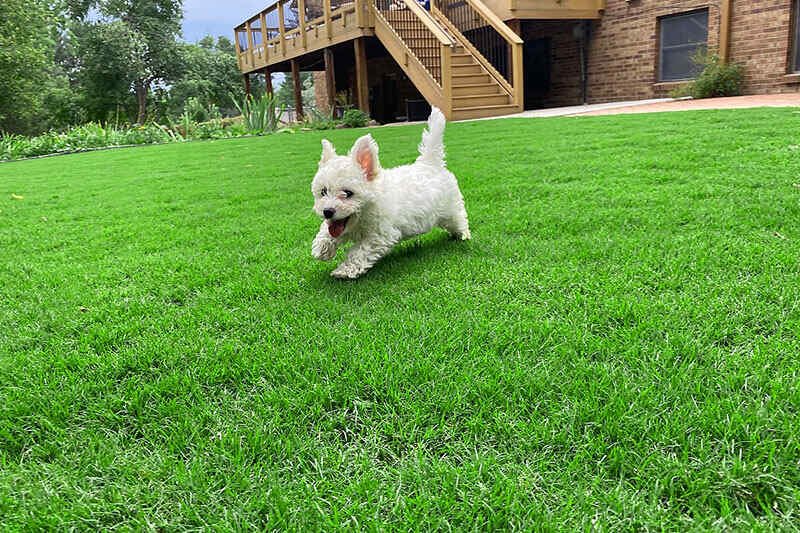
Digging and Wear: A Real-World Perspective
If your dog loves to dig, Bermuda grass won’t stop that behavior—but it does recover faster than most.
I once had a German Shepherd digging up patches, but Bermuda grass showed new growth within weeks, unlike other grasses I had tried before. It’s a practical advantage you notice over time, especially with high-energy breeds.
Seasonal Downsides Most People Miss
Here’s something I always point out: Bermuda grass goes dormant when temperatures drop, especially in late fall and winter, and won’t stay green year-round in most regions. warmer months, it looks fantastic—lush, green, and dense. But during cooler seasons, it can turn brown and dry. That doesn’t harm your dog, but it does change how your yard feels and functions.
I have some clients worried their lawn “died” in winter, but it’s normal dormancy. If looks matter year-round, consider this.mon Mistakes I See
Over the years, a few patterns keep coming up:
While Bermuda grass is tough, it still needs care. Neglected lawns become uneven and uncomfortable for dogs.
Others ignore early signs of irritation. A bit of paw licking or scratching might seem minor, but it’s often the first signal that your dog isn’t fully comfortable on that surface.
And then there’s the overuse of fertilizers or chemicals. I’ve treated dogs with mild toxicity symptoms simply because their owners applied lawn treatments and didn’t keep pets off the grass long enough. The grass itself wasn’t the issue—the maintenance routine was.
My Honest Recommendation
If you’re looking for a dog-friendly lawn that can handle activity, Bermuda grass is one of the better options out there. I’ve seen it work well in busy households, especially with medium to large dogs.
But I always advise pairing it with a bit of observation. Watch how your dog reacts. Check their paws, their skin, and their behavior after time outside. Most dogs do just fine, but the few that don’t will show subtle signs early on.
In my experience, the best lawns for dogs aren’t just about the grass type—they’re about how the space is used and maintained. Bermuda grass provides a strong foundation, but it still needs thoughtful care to really perform.