
Why Hydration Matters in Cats
As a licensed veterinarian practicing in Texas for over 12 years, I’ve encountered many cat owners who underestimate how quickly a feline can become dehydrated. Unlike dogs, cats often hide signs of illness, and dehydration can creep up quietly, making early detection crucial.
I still remember a case last summer: a middle-aged domestic shorthair named Milo came in after his owner noticed he was sleeping more than usual. A simple hydration check revealed he was already mildly dehydrated, which, if left unchecked, could have progressed to a more serious condition.
Checking a cat’s hydration isn’t complicated, but it does require careful observation and some hands-on assessment.
Early Signs of Dehydration to Watch For
Unlike dogs, cats often hide signs of illness, and dehydration can creep up quietly, making early detection crucial. I’ve seen many cases where subtle behavioral changes were the only early clues. Sleeping more than usual, reduced activity, or a mild decrease in appetite can sometimes signal an underlying hydration issue before more obvious symptoms appear.
Observing your cat daily is one of the most effective preventive strategies. Small changes, when noticed early, can prevent dehydration from progressing into a more serious medical concern.
The Skin Tent Test Explained
One of the methods I use most frequently in my clinic—and often teach owners to perform at home—is the skin tent test. Gently pinch the skin at the back of your cat’s neck or between the shoulder blades, then release it. In a well-hydrated cat, the skin should snap back immediately. If it returns slowly or stays slightly raised, that’s a sign your cat may be dehydrated.
I recall a case where a client was concerned about her 14-year-old Siamese’s lethargy. The skin tent test showed moderate dehydration, prompting us to provide subcutaneous fluids, which quickly improved his energy levels.
How to Perform the Skin Tent Test Properly
Gently pinch the skin at the back of your cat’s neck or between the shoulder blades, then release it. In a well-hydrated cat, the skin should snap back immediately.
What Slow Skin Return Indicates
If it returns slowly or stays slightly raised, that’s a sign your cat may be dehydrated.
Checking Your Cat’s Gums
Another approach I often use involves checking the gums. Lift your cat’s upper lip and look at the color and moisture of the gums. Healthy gums are pink and moist; dry, tacky, or pale gums can indicate dehydration or other underlying health problems.
I once examined a Maine Coon kitten whose owner thought she was simply sleepy after a long play session. Her gums were dry, alerting me to mild dehydration likely caused by a combination of reduced water intake and the warm environment in her home. Administering fluids and encouraging her to drink gradually corrected the issue within a day.
Healthy Gum Color and Moisture
Healthy gums are pink and moist.
What Dry or Pale Gums May Signal
Dry, tacky, or pale gums can indicate dehydration or other underlying health problems.
Monitoring Urination and Drinking Habits
Observing urinary output and drinking habits can also offer valuable clues. Cats are often secretive about using their litter box, but a sudden decrease in urination or extremely concentrated urine can signal insufficient fluid intake. Conversely, excessive thirst and urination can indicate other health issues like kidney disease or diabetes.
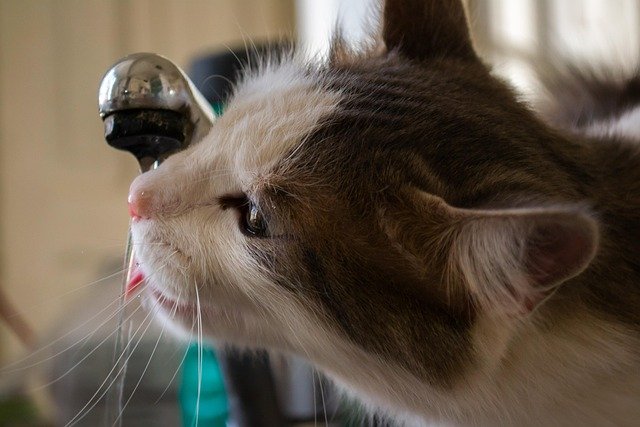
I advise owners to note patterns over time rather than reacting to a single day’s behavior. In one memorable instance, a client brought in her older cat, who had started drinking from the faucet excessively. Initial hydration checks were regular, but monitoring revealed signs of early kidney dysfunction that allowed us to intervene early.
Changes in Litter Box Patterns
A sudden decrease in urination or extremely concentrated urine can signal insufficient fluid intake.
Excessive Thirst and Possible Underlying Causes
Excessive thirst and urination can indicate other health issues like kidney disease or diabetes.
Other Physical Indicators of Dehydration
Temperature can sometimes provide indirect hints. A dehydrated cat may feel warmer than usual, but this is subtle and inconsistent, so I never rely solely on temperature. Weight monitoring, however, is a simple yet effective way to track hydration. A cat losing weight rapidly may be losing fluids, especially if paired with reduced appetite or vomiting.
I’ve seen this firsthand with a senior cat I treated who had chronic kidney issues. Regular weigh-ins at home allowed the owner to notice a sudden drop, prompting an urgent vet visit that prevented a more severe crisis.
Weight Loss and Fluid Balance
A cat losing weight rapidly may be losing fluids, especially if paired with reduced appetite or vomiting.
Body Temperature Considerations
A dehydrated cat may feel warmer than usual, but this is subtle and inconsistent, so I never rely solely on temperature.
When to Seek Veterinary Care
While tools like veterinary-grade hydration meters or blood tests are available, the methods I’ve described are practical for daily monitoring. I always encourage cat owners to be gentle and patient, as stress can skew results and make cats less cooperative. In my experience, combining visual cues, the skin tent test, and gum checks provides a reliable picture without causing unnecessary anxiety for the cat.
Dehydration can develop quickly, especially in older cats or those with underlying health conditions. Watching for subtle signs and performing regular checks has saved many of my patients from more severe complications. In my practice, I emphasize proactive monitoring because it’s much easier to correct mild dehydration than to manage advanced stages. A little observation and hands-on assessment can make a significant difference in a cat’s overall health and well-being.