
After more than a decade working as a small-animal veterinarian, one of the questions cat owners often ask—usually with a mix of concern and confusion—is simple: “Why is my cat drooling?”
Many people associate drooling with dogs, not cats. So when a cat suddenly leaves damp spots on your shirt while purring or develops strings of saliva around its mouth, it can feel alarming.
In my experience, drooling in cats can range from completely harmless to requiring quick medical attention. The challenge is recognizing the difference. Over the years, I’ve seen cats drool with blissful happiness, and others drool with real discomfort.
Understanding the context behind the drooling is the key.
The Surprisingly Common “Happy Drool”
One of the most harmless reasons cats drool is simple contentment.
Some cats drool when they’re extremely relaxed—often while kneading, purring, or being petted. I’ve had countless owners bring in their cat because of this, worried something was wrong, only to discover their pet was essentially too happy.
I remember a long-haired tabby that came into my clinic a while back. The owner thought the cat had a mouth infection because it soaked her sweater every time it sat on her lap. When I examined the cat, everything looked perfectly healthy. The moment I scratched under its chin, it started purring and drooling immediately.
That kind of drool is usually:
- Clear and watery
- Only happens during petting or relaxation.
- Not accompanied by bad breath or mouth pain.
Many cats learn this behavior as kittens while nursing. The combination of kneading and drooling seems to carry over into adulthood for some of them.
It can be messy, but it’s generally harmless.
Dental Problems: The Most Common Medical Cause
When drooling appears suddenly or happens frequently, dental disease is often the first thing I check.
Cats are masters at hiding oral pain. They’ll continue eating even when their mouth hurts, which means problems can progress quietly. Excess drooling is sometimes one of the first visible signs.
In the clinic, I regularly see drooling caused by:
- Gum inflammation
- Tooth resorption
- Broken teeth
- Severe plaque buildup
- Oral infections
A few years ago, a middle-aged cat was brought in because it had started leaving wet patches on the couch where it slept. The owner assumed it was behavioral. During the oral exam, I found advanced dental disease and several painful lesions under the gumline.
Once the teeth were treated and cleaned, the drooling disappeared almost immediately.
This is why sudden drooling, especially in adult cats, deserves attention. Dental problems are far more common than most owners realize.
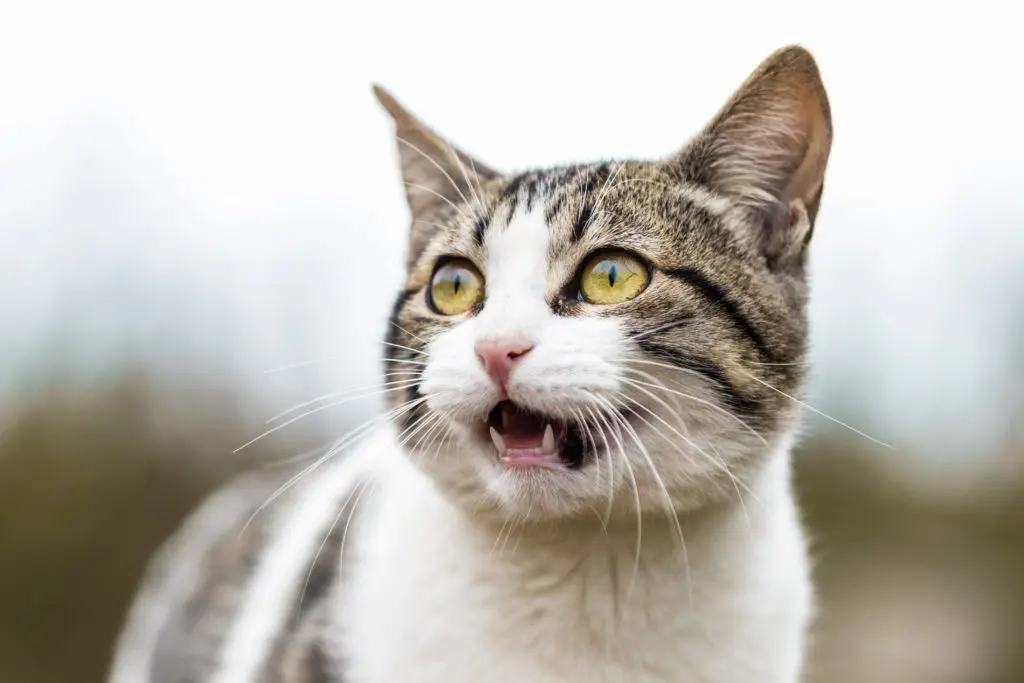
Nausea and Digestive Upset
Cats also drool when they feel nauseous.
Anyone who has watched a cat about to vomit has probably noticed the thick saliva that appears beforehand. The body increases saliva production to protect the mouth and throat from stomach acid.
Sometimes drooling is the earliest sign of nausea before vomiting begins.
I often see this in cats that have:
- Hairballs are building up in the stomach.
- Dietary changes
- Mild stomach irritation
- Motion sickness during travel
A client once described their cat drooling heavily during car rides. The moment the carrier came out, the cat would start salivating. That’s a classic stress-nausea response.
In situations like this, the drooling usually stops once the nausea passes.
Toxic or Bitter Substances
Another cause I take seriously is exposure to something unpleasant or toxic.
Cats will often drool heavily if they taste something bitter, irritating, or poisonous. Their bodies attempt to flush the substance out of the mouth by producing excess saliva.
I’ve seen drooling triggered by:
- Certain houseplants
- Flea medications are applied incorrectly.
- Household cleaners
- Bitter medications
- Essential oils
One memorable case involved a curious cat that chewed on a houseplant. Within minutes, it began drooling excessively and pawing at its mouth. Thankfully, the plant wasn’t highly toxic, but the irritation was enough to cause intense salivation for several hours.
Any time drooling appears suddenly after chewing something unfamiliar, it’s wise to assume the cat encountered something irritating.
Stress and Fear
Cats can also drool when they are extremely stressed.
Veterinary visits often bring this out. Even calm cats at home may drool in their carriers or during examinations.
A shy rescue cat I treated a while ago would drool every time it entered the clinic. The moment it returned home, the drooling stopped.
Stress drooling tends to appear alongside other signs, like:
- Dilated pupils
- Hiding or freezing
- Rapid breathing
- Vocalization
Once the stressful situation ends, the drooling usually disappears.
Injuries Inside the Mouth
Occasionally, drooling signals a physical injury.
Cats sometimes get objects stuck in their mouths—pieces of string, small bones, splinters, or plant material. Even a small cut on the tongue can cause noticeable drooling.
I once examined a cat that had been drooling nonstop for two days. The owner assumed it was dental disease. Instead, I found a thin piece of sewing thread, tightly wrapped under the tongue, and cutting into the tissue.
Once the thread was removed and the area treated, the drooling stopped.
These cases are uncommon but important because foreign objects can worsen quickly if left untreated.
Serious Illnesses That Occasionally Cause Drooling
While most drooling cases are minor, a few medical conditions can also trigger excessive saliva.
These include:
- Severe infections
- Neurological disorders
- Oral tumors
- Kidney disease is causing nausea.
Fortunately, these situations are much less common. Still, they are part of the reason veterinarians take persistent drooling seriously, especially in older cats.
Signs That Drooling Needs Veterinary Attention
Over the years, I’ve learned that the context around drooling matters more than the drool itself.
I usually advise owners to schedule an exam if they notice:
- Drooling that starts suddenly without explanation.
- Thick or foamy saliva
- Bad breath or visible mouth swelling
- Difficulty eating or dropping food
- Pawing at the mouth
- Lethargy or vomiting
Cats rarely exaggerate symptoms. When something changes noticeably, it’s often worth investigating.
A Practical Way to Think About Cat Drooling
In the exam room, I often explain it this way: occasional drooling during petting is usually harmless, but persistent drooling that appears out of nowhere deserves a closer look.
Many of the cases I’ve treated have turned out to be manageable—dental problems, mild nausea, or irritation from something the cat tasted.
The tricky part is that cats don’t tell us what hurts. Drooling is sometimes one of the few clues they give.
After years of working with cats and their owners, I’ve learned that paying attention to small changes in behavior often reveals the real story behind something as simple as a wet chin.