
What I’ve Learned as a Feline Veterinarian
I’m a small-animal veterinarian with a focus on feline medicine, and most of my days are spent talking through very real, very hairy problems caused by long coats. I’ve worked with Persians, Maine Coons, Ragdolls, and plenty of mixed-breed fluffballs whose owners didn’t realize what they were signing up for until their cat’s coat turned into a felted blanket.
Long-haired cats are not fragile ornaments. They’re hardy, opinionated, often comically dramatic creatures wrapped in a coat that needs deliberate care. I’ve seen owners get overwhelmed, and I’ve also seen cats thrive once a simple routine clicks into place.
Let me walk through what actually matters, based on what I deal with daily in the exam room and treatment area.
Mats don’t start as “bad owners” problems — they start small and silent.
The single biggest issue I treat in long-haired cats is matting. Mats don’t usually begin as giant knots. They start as a tiny tangle behind the ear or under the armpit, unnoticed until it spreads like Velcro.
More than once, I’ve shaved a cat, and owners were shocked to see the coat come off in sheets. One older cat last winter looked fluffy and delicate on the surface; underneath, the fur had formed a tight shell over her hips. She wasn’t “being grumpy” — she was in pain every time she sat down.
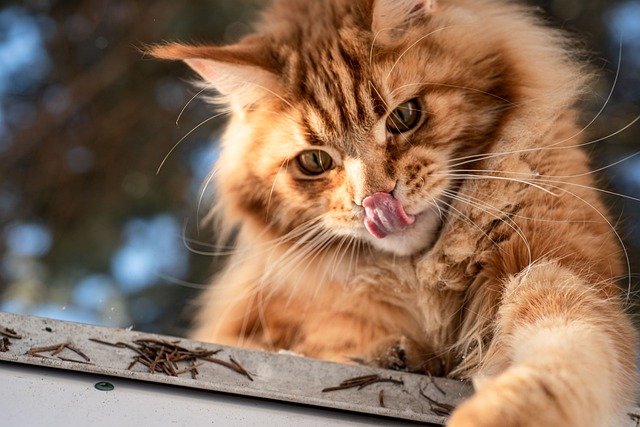
Here’s what people don’t realize until they’ve lived through it: a cat can look brushed on top and be badly matted underneath. The danger zones I check automatically are:
- behind the ears
- armpits
- inner thighs
- base of the tail
- along the spine in overweight cats (they can’t reach there)
A slicker brush alone rarely solves deep mats. If the coat is already felted, scissors at home are a terrible idea. I’ve treated more than one laceration from well-meaning attempts. At that point, humane shaving under veterinary supervision is kinder than pulling.
Brushing isn’t about the length of sessions — it’s about frequency and calm handling.
I don’t brush my own long-haired cat for an hour. I brush for 2 to 3 minutes most days.
Cats tolerate brief, regular events. They fight long ones. I teach owners to attach brushing to something predictable, like after breakfast. The goal is to desensitize, not restrain.
In my experience, the tool matters less than the technique. People buy fancy brushes, then scrape too hard, and the cat naturally avoids them later. Gentle, slow strokes that stop before the cat gets irritated work better than trying to “get it all done” at once.
One family brought me a gorgeous Himalayan who “hated brushing.” He didn’t hate brushing. He hated being held down while someone chased his tail with a stiff comb. We switched to brief daily brushing paired with treats on a mat he liked. By the next visit, he didn’t just tolerate it — he came when they picked up the brush.
Professional grooming has a role — and sometimes it’s not optional.
Some long-haired cats cannot be maintained at home, especially flat-faced breeds or elderly cats with arthritis. As a veterinarian, I strongly recommend professional grooming for:
- severely matted coats
- elderly cats who can’t self-groom
- owners with mobility limitations
- cats with recurrent hygiene issues around the rear
One practical thing people are surprised to hear: many cats need sedation for full shaves, not because they’re “bad,” but because shaving tight mats pulls painfully on skin. A cat’s skin tears easily; a struggling cat is genuinely unsafe to groom.
I’d rather safely sedate an anxious cat than force them through a traumatic experience. That’s a professional opinion I hold firmly, having seen the alternative up close.
Long hair changes litter box hygiene more than most people expect
No one likes talking about poop sticking to fur, but I see this constantly.
Feathered britches and fluffy tails trap feces and urine. Cats with long fur often start avoiding the litter box, not because of behavior problems, but because clumps tug painfully when they squat. One overweight long-haired cat I saw started urinating on soft rugs purely because mats near his anus made his normal posture uncomfortable.
Keeping the rear end trimmed (“sanitary trim”) is not cosmetic — it prevents skin infections, odors, and resentment from both sides. I suggest keeping litter boxes wide and low so long fur misses on rough edges.
Long coats hide health problems until they’re advanced.
One of the most challenging conversations I have with owners is about what long fur covers up.
Weight loss, weight gain, wounds, fleas, and skin infections are easy to miss under a thick coat. I’ve had cats come in for a “routine vaccine” and discovered a large, hidden wound under the hair that no one had noticed.
I run my hands over my long-haired cat’s fur weekly, not just brush it. Palpation tells you:
- Is the cat losing muscle?
- Are there scabs or lumps?
- Is the coat greasy or dandruff-covered?
Greasy coat and dandruff in long-haired cats often signal pain or illness rather than “bad grooming.” Arthritis is a major culprit; if a cat can’t comfortably twist to groom, the coat deteriorates.
Diet and hydration matter more than most owners expect
I don’t push miracle supplements, but I do see a consistent pattern: cats on high-quality, balanced diets have healthier coats and fewer hairballs.
I’ve treated more than a few cats whose owners were convinced the coat was a “grooming problem,” when the real issue was dehydration and poor nutrition leading to flaky, breakable hair. Wet food increases moisture intake, which helps both skin and hair.
Hairballs are not always harmless. Repeated retching, constipation, or decreased appetite after frequent hairballs are reasons to call a vet. I’ve had to remove blockages caused by impacted hair surgically; that’s not a scare tactic, it’s a reality of my job.
Common mistakes I see again and again
Patterns repeat in my exam room. The ones I see most:
Owners wait too long to get help with mats, hoping they’ll “brush out later.” They don’t.
People assume a cat “will groom themselves.” Long-haired breeds often cannot keep up.
Scissors were used on tight mats. That is how cats end up needing stitches.
Bathing is attempted without drying tools, leading to chilled, damp skin and worse matting afterward.
On the flip side, the owners who do best accept that grooming is part of the breed, just like walking is part of owning a dog. They build small routines instead of big, stressful sessions.
What I’d recommend if you’re caring for one now
Here’s the practical routine I suggest in my clinic:
Brush briefly, most days, not endlessly, once a week.
Run your hands through the coat to feel for tight patches you can’t see.
Trim the rear if feces stick to fur — or have a professional do it.
Call your vet sooner than you think if the mats are tight, the skin looks red, or the cat stops grooming.
A long-haired cat in good condition looks effortless, but the effort is just well-distributed. My own long-haired patients who are happiest are not the ones with perfect show coats — they’re the ones whose owners stay ahead of problems instead of reacting after things snowball.
Long hair is part of their charm, but it also demands respect. Once you understand that, the daily cat care stops feeling like a chore and becomes what it actually is: part of living with a magnificent animal who relies on you more than their short-haired cousins do.